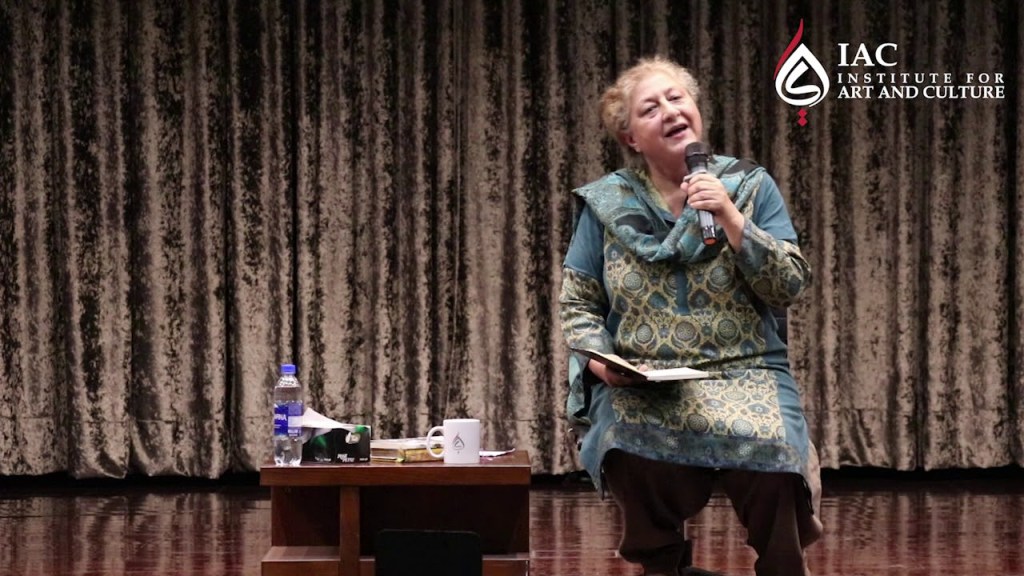
Huma Safdar is a theatre practitioner , artist, and Punjabi language activist. She studied fine arts at the National College of Arts (NCA) in Lahore, and has been working in theatre for over 30 years. A lot of her work focuses on Punjabi folklore, feminist storytelling, and community-based performance.
She has been part of the feminist theatre group Sangat and is known for staging Punjabi plays in schools, public spaces, and shrines. Her performances often revolve around characters from Punjabi classics like Heer, Sassi, and Sohni.
She also taught at Lahore Grammar School for many years, where she introduced generations of students to Punjabi language and performance.
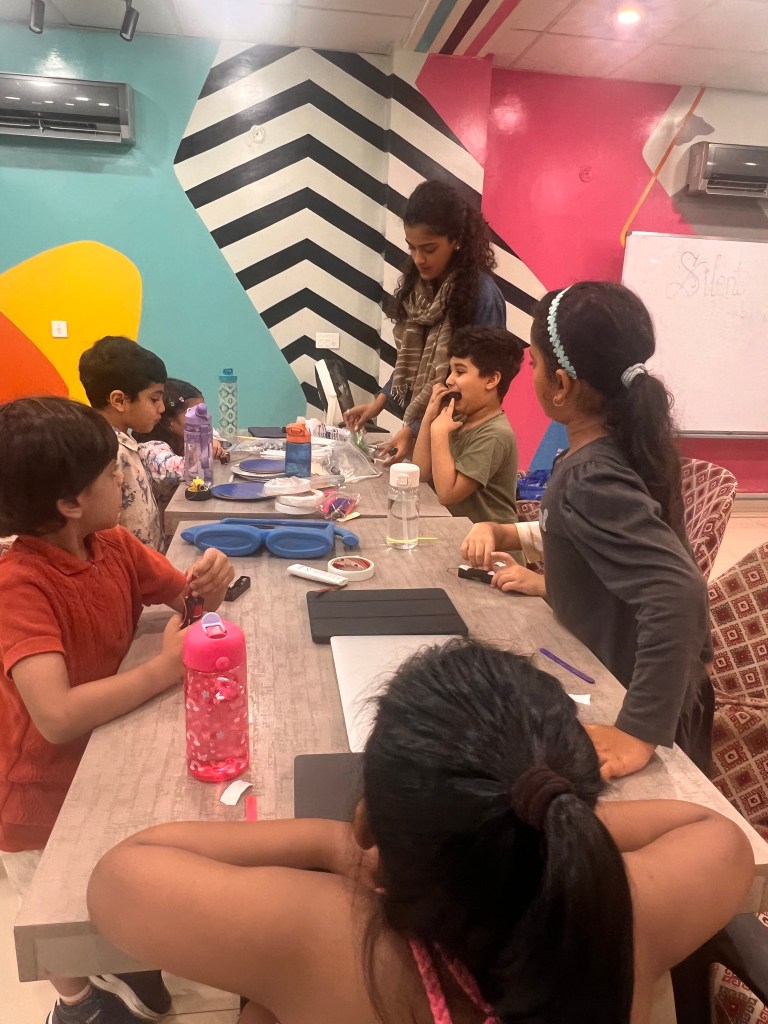
Note: Each day from Day One to Day Seven is organized as a playlist. Every playlist contains different kinds of videos documenting the exercises we did. These were intensive four-hour workshops, with each day focusing on a unique set of activities.
Day 1 – Movement & Balance
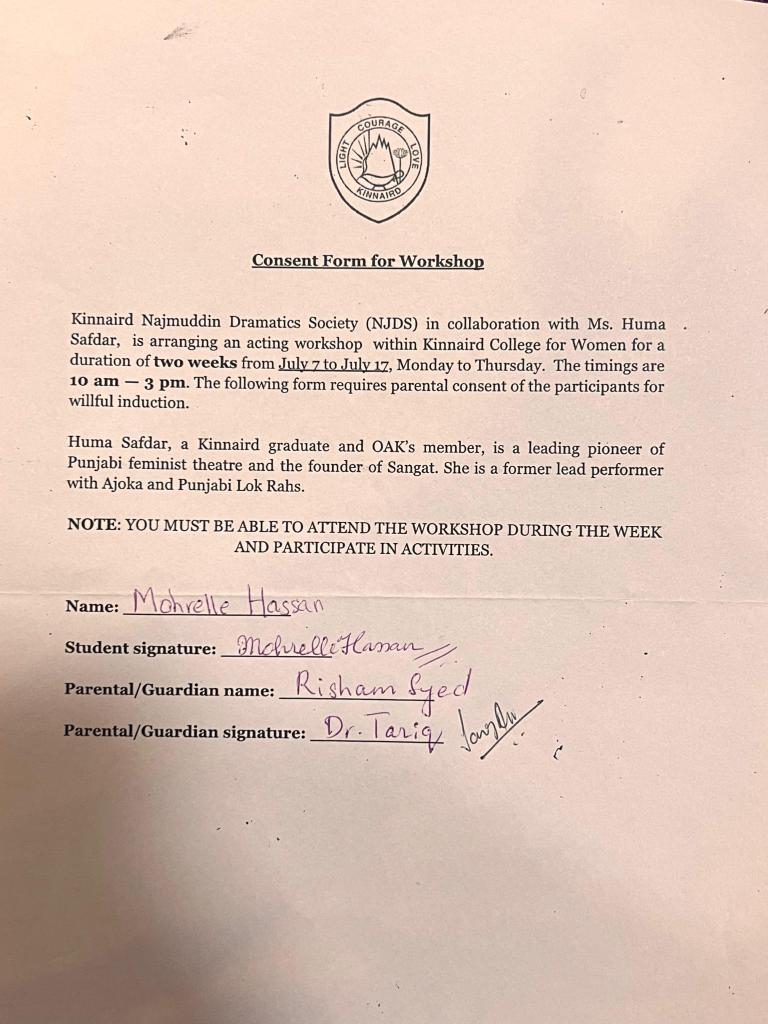
The first day of the theatre workshop at The Kinnaird College was centered around movement. It was more of an introductory session where we were encouraged to explore our bodies in space and understand movement through a series of guided exercises. The focus wasn’t on performance but on becoming aware of ourselves, of others in the room, and of the energy we create together.
We did partner based exercises that revolved around the idea of balance, not just physically, but also in terms of presence, support, and responsiveness. Some of these movements were improvisational and demanded active listening to your partner’s body language.
It felt like the day was more about, settling into the space, letting go of hesitation, and starting to connect with movement as a tool of communication. The interactive nature of the exercises helped set a tone of openness and exchange for what’s to come.
Day 2
This day was focused on sound. We experimented with how sounds are made, how they function in performance, and how they interact with movement. We tried out short sound-based scenes, worked with rhythm, and explored how beat and action can come together. It wasn’t just about making noise, but understanding how sound shapes energy, mood, and communication on stage.
There was a focus on using the voice in different ways. Theatre demands a particular kind of projection, and not everyone is used to that. Some people were more comfortable than others, and you could see how different our limitations were when it came to multitasking sound with action. At times team work really mattered, because everything needed to stay in sync.
Day 3
We focused on movement again, but with a new set of exercises. The emphasis was on responding quickly, not in a fully improvised way where you make something up entirely, but by listening closely and reacting almost instantly, within about 10 seconds. The aim was to sharpen our ability to notice, process, and act in the moment. One example involved creating a short, spontaneous “story” through movement in response to what we heard or observed.
Day 4
Before this, we worked on exercises that explored trust and letting go of control. One of the most challenging was standing on a stool placed on stage, then falling backwards in a way trusting that the people around us would catch us. It was a strange mix of fear and faith; falling without seeing who would support me forced me to rely completely on others. I tried, and while it wasn’t entirely successful, it became an important starting point.
From there, we gradually moved into other exercises such as first exploring movement, then collaboration, and then the relationship between movement and sound. Each activity built on the last, sharpening our ability to listen, respond, and remain aware of the group.
Towards the end, we began working with Giddha, a traditional Punjabi folk dance performed primarily by women. Rich in song, rhythm, and storytelling, Giddha is often performed during festivals and harvests as a celebration of community. In this context, it became more than just a cultural form; it was a way to bring together all that we had been exploring, trust, movement, rhythm, and shared expression, into one collective experience.
Alfo Perni Di Waar
play work in progress
Videos are yet to be uploaded
Please note the play is scheduled for next year 2026, Nov
It’s a 6 hour long play and rehearsals will continue for 1 year
20th Aug Onwards
Alfo Perni Di Waar, written by Najm Husain Syed and directed by Huma Safdar, isn’t just a play – it’s a confrontation with history, power, and patriarchy. At its core, it’s about bravery, but not the kind we hear in tales of kings and warriors. It’s bravery from a woman’s perspective, told by women, performed by women, and staged at Kinnaird College, an all-girls space that makes this retelling even more powerful. It was last performed at Kinnaird in 2005 and is a 6 hour long play.
Alfo Perni Di waar Day 1
Note: Each day from Day is organized as a playlist. Every playlist contains different kinds of videos documenting the rehearsals for Alfo Perni Di Waar. These are two and sometimes three hour long rehearsals.
Alfo Perni Di Waar Day 2
Alfo Perni Di Waar Day 3
Alfo Perni Di Waar Day 4
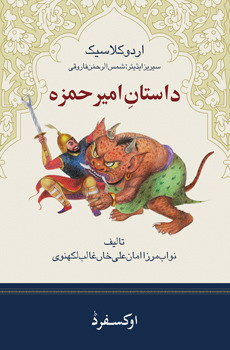
The play reimagines Dastan-e-Amir Hamza, originally penned by Maulvi Ghulam Rasool, through a feminist lens. It questions who gets to define courage, who holds power, and how exploitation and wealth concentrate in the hands of a few. It is both a critique and a reclamation, turning a grand narrative on its head.
One of the most striking figures is Mai Bhagi – a business woman selling wine turned singer and dancer who dared to defy the Maharaja when everyone else was afraid. Instead of performing for him, she narrates her own story, exposing the injustices she has faced. In that refusal, she claims her voice, her livelihood, and her agency as a woman and as an artist.
Alfo Perni Di Waar Day 5
Alfo Perni Di Waar Day 6
Alfo Perni Di Waar Day 7
Alfo Perni Di Waar Day 8
The play draws from themes already present in Dastan-e-Amir Hamza – adventure, war, love, religion, the eternal battle of good and evil but it pushes us to think deeper. What is right and what is wrong? What is just but not “politically correct”? Sometimes, it suggests, real bravery is standing against the structures that silence others, even if it comes at a cost.
As I’ve been working on Alfo Perni Di Waar, I was introduced to a study by Sarah Imran that looks at how Dastan-e-Amir Hamza understands good and evil. Reading it helped me see the backdrop against which Alfo Perni speaks, because the play is, in many ways, a response to that older text.
The analysis shows that Amir Hamza isn’t simple, it doesn’t divide the world into heroes and villains. It brings in layers of religion, morality, and power. The “true faith” is one of the strongest ideas running through it. Morality is often defined by belief, by standing with or against a particular vision of religion. Goodness and evil are tied to faith itself.
Then there is ayyari – the art of trickery. This is not just lying or deception, but a whole world of cunning, disguise, and performance. What struck me is that trickery is not always condemned. Sometimes it saves lives, sometimes it moves the story forward. It complicates what we think of as moral, showing that even in tales of good and evil, the line is never so clear.
Gender is another thing, especially masculinity. Bravery and valor are almost always framed in male terms. To be “good” or “heroic” is tied to ideals of manhood, while women are pushed to the margins of the story. That imbalance is precisely what Alfo Perni Di Waar takes up and turns inside out.
So while Amir Hamza dazzles with its adventures, wars, and moral battles, it also carries within it the structures that silence women. And this is why Alfo Perni Di Waar feels so powerful – it doesn’t just critique from outside, it enters the same conversation and reclaims bravery, faith, and storytelling for women’s voices.
What Sarah Imran shows in her study of Dastan-e-Amir Hamza– that good and evil are never straightforward. In one scene, Alfo enters the masjid with the child of a pig. By religious logic, this act is unthinkable, yet the Maulana sahib chooses compassion: he brings milk for the piglet and lets Alfo stay the night. The next morning, when he is condemned, he accepts the criticism but still defends his decision. That one moment shows how morality can shift when it is grounded in care rather than rules.
The same happens when Mai Bhagi confronts the dying Maharaja. She refuses to dance for him, instead forcing him to listen to her own story. Her bravery is not about war or conquest, but about refusing to be silenced. And in the scene with the Pandit and his workers, even food becomes a stage for power where separate meals for the privileged, langar for the rest.
These scenes echo what Sarah describes in Amir Hamza: faith, trickery, hierarchy, and morality are always in negotiation. But in Alfo Perni Di Waar, the negotiation shifts to the voices of women, workers, and the marginalized – those who rarely get to define what bravery or goodness means.
Composite armor in the Hamzanama, commissioned by mughal emperor Akbar 1557-1577,India.
Please note that while this blog is for official purposes, I will continue updating it over the course of the year, as rehearsals are long and ongoing. For now, I’d like to pause here with a reflection on the stories that inspire our work.
Alfo is a gypsy girl, tomboyish and brave, who risks her life to save a tiny piglet. This small act of empathy moves Moulvi Ghulam Rasul as she enters the mosque where he is translating Dastan Amir Hamza from Persian into Punjabi – a story of a warrior king, chivalry, and the right to kill in the name of justice. Alfo Paini Di Var tells us how the Dastan was written, rewritten, and translated over centuries – from Mehmud Ghaznavi’s Persian version, to Akbar’s illustrated text, to the British Urdu edition, and finally to Ghulam Rasul’s Punjabi translation. While the epic tells the story of kings and power, Alfo’s story shows ‘Ghareeb Hamza’ – a hero of the people resisting injustice from as far back as the 5th century.
Histories are written to give a perspective on the past, shaping how we understand ourselves and our actions. But then the question arises: who is telling the story, and who is it being told to? Alfo Paini Di Var challenges the histories written by rulers, bringing forward the unwritten stories of resistance and offering a feminine perspective.
In this way, history is never one-sided. It is lived, retold, and reinterpreted, just as the stories we are bringing to life on stage today.
Hello, my name is Mohrelle Hassan. I’m a visual arts student working across installation, video, performance art, and image making. My practice explores the space between fiction and reality, often through a combination of research, sound, video, performance, physical materials, and occasionally AI-generated imagery. I’m interested in perceptual phenomena, underlying structures, and how working across disciplines can shift the way we experience the familiar. I aim to create work that feels constructed but intuitive.
Movies/ Documentaries
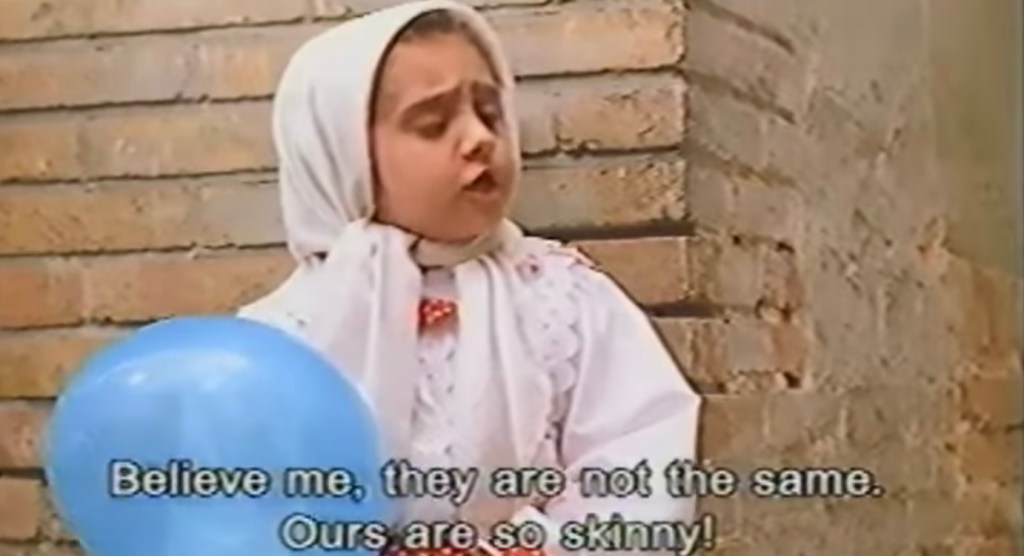
The White Balloon (1995) is an Iranian film directed by Jafar Panahi and co-written by Abbas Kiarostami
Jafar Panahi’s The White Balloon (1995) is a film that focuses on the emotional world of a child. Set on the eve of Nowruz in Tehran, it follows a young girl named Razieh who becomes completely fixated on buying a fat, beautiful goldfish from a nearby shop. The fish at her home are too skinny, she says, and she wants one that feels right for the new year.
Her mother refuses, telling her they already have fish and that there’s no reason to spend more money. But Razieh is determined. She convinces her older brother to help her get the money and begins her journey. What follows is a simple story, but one filled with small tensions and obstacles.
Razieh drops the money. A snake charmer distracts her. She gets help but then faces new problems. She reaches the shop but cannot enter without an adult. Later, she gets locked out of her house. At every step, adults either dismiss her, speak over her, or don’t fully engage with what she’s trying to do.
What I found especially important was the way the film shows how quickly a child’s needs are ignored or seen as unnecessary. There is also a subtle difference in how the mother speaks to Razieh versus how she speaks to her brother. When the brother tries to speak, she says something like “Don’t be a pain like your sister” or “I haven’t got anything left.” These moments show how easy it is for a child, especially a girl, to be labeled as annoying or unreasonable.
What I found especially important was the way the film shows how quickly a child’s needs are ignored or seen as unnecessary. There is also a subtle difference in how the mother speaks to Razieh versus how she speaks to her brother. When the brother tries to speak, she says something like “Don’t be a pain like your sister” or “I haven’t got anything left.” These moments show how easy it is for a child, especially a girl, to be labeled as annoying or unreasonable.
The pacing of the film is slow, but it gives space to Razieh who moves through. One does notice how isolated she feels even when surrounded by people.
The ending does not resolve things in the way one might expect, and that makes it feel even more unforeseeable.The White Balloon captures the inner urgency of childhood in a way that feels deeply familiar.
Flooded Tombs of the Nile
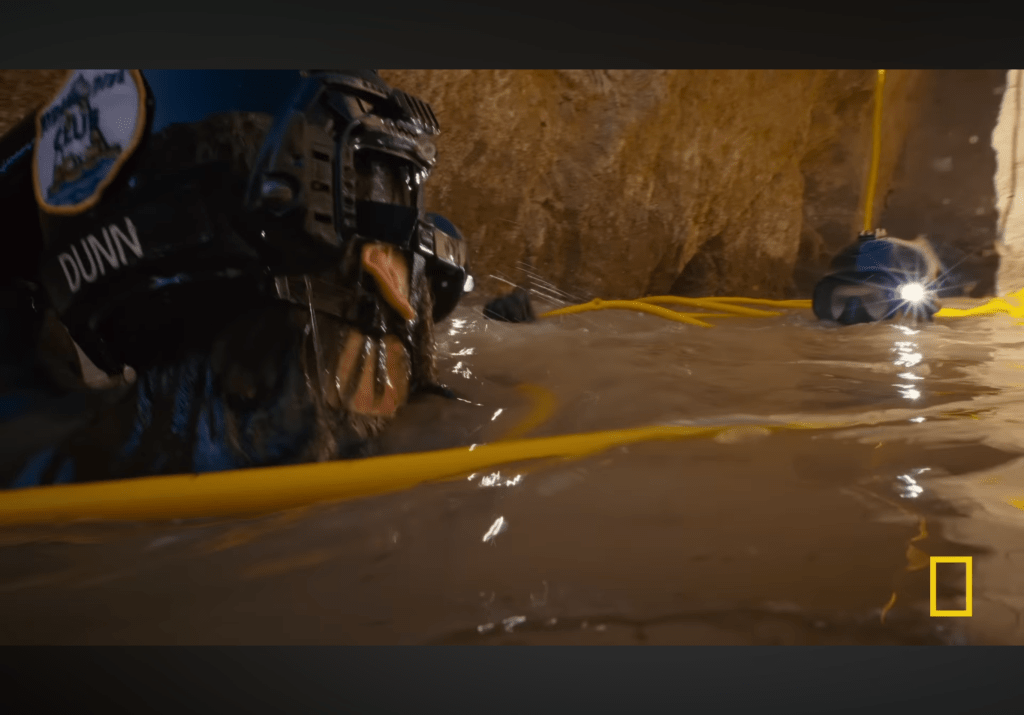
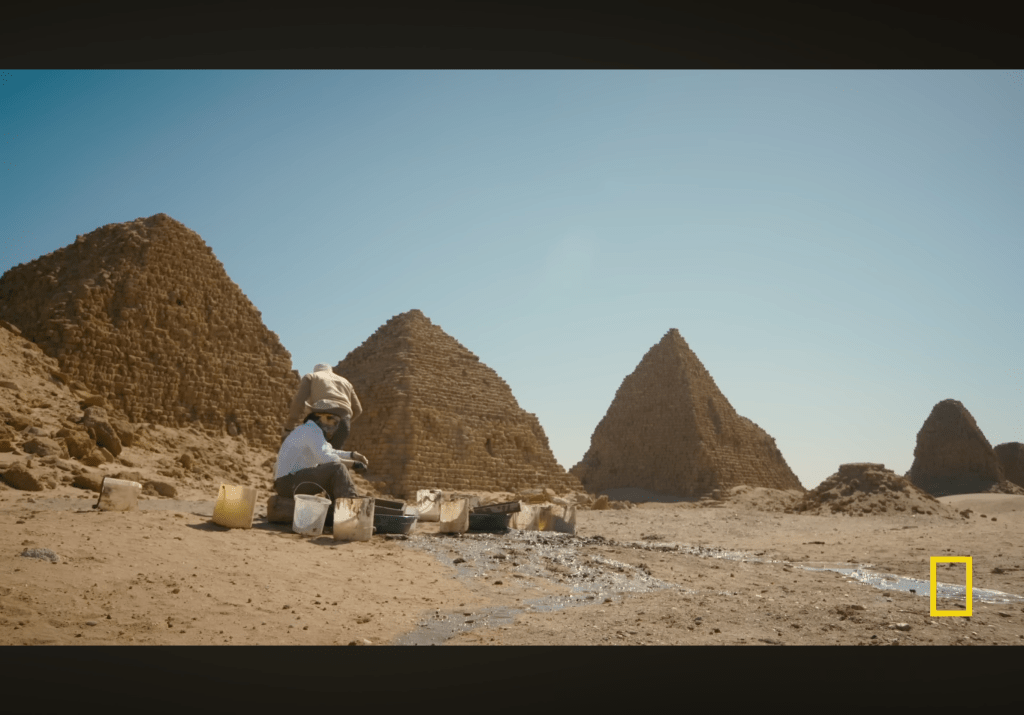
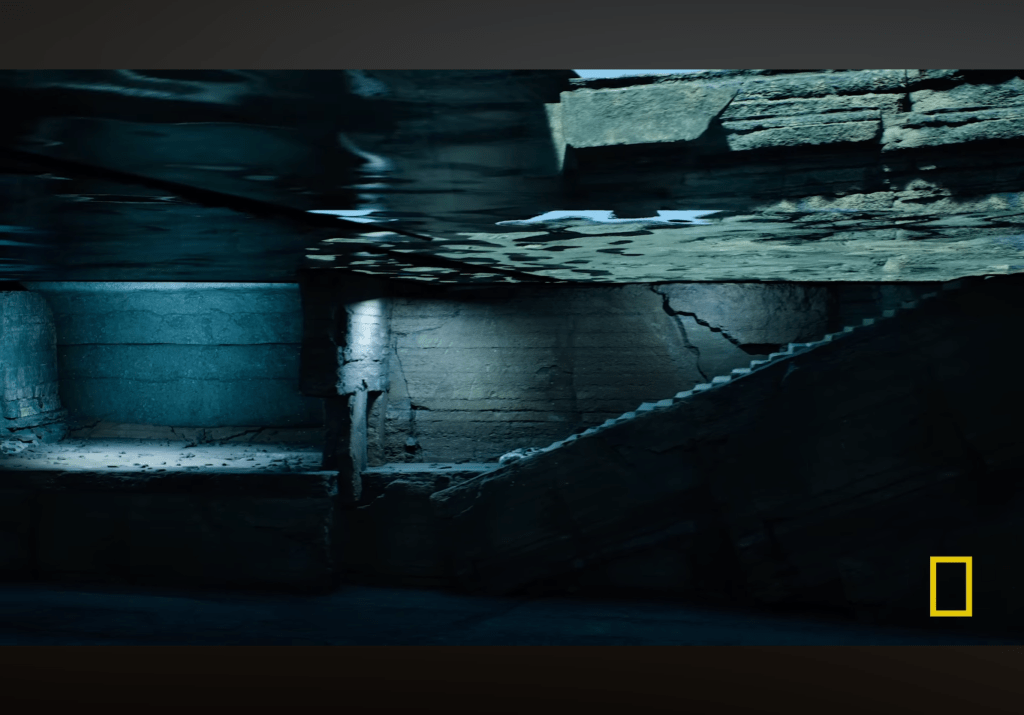
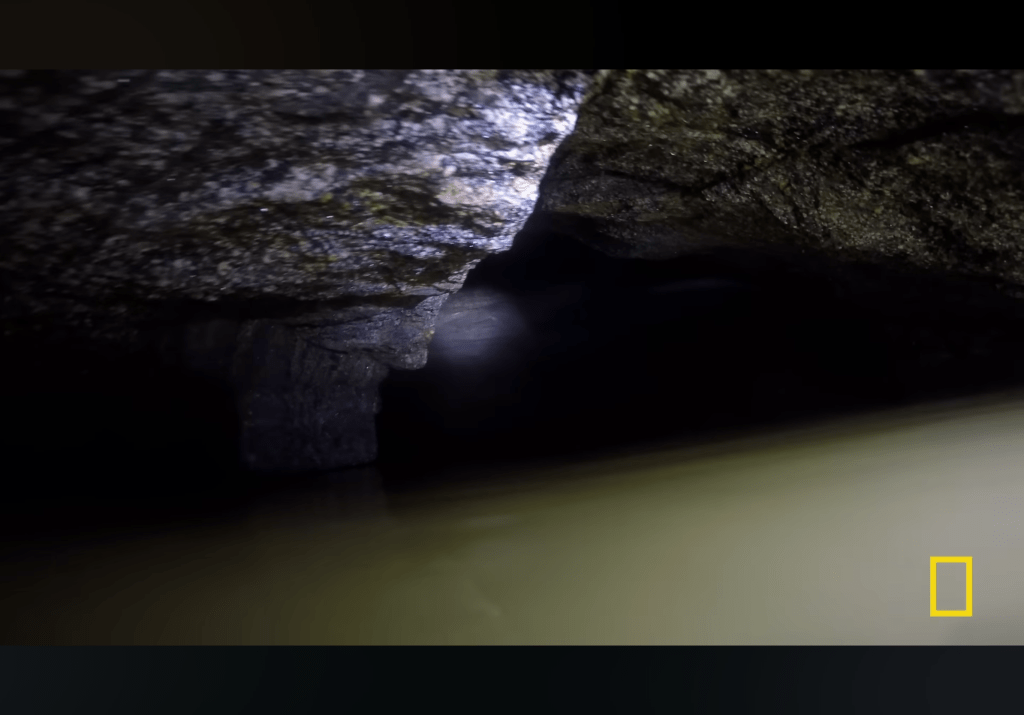
National Geographic’s Flooded Tombs of the Nile looks at a Kushite tomb site in Sudan that is completely submerged under water. The documentary follows archaeologists and divers who are trying to study the tomb of King Nastasen, located at the Nuri necropolis. Instead of removing the water or draining the site, they work with it, diving into the tomb repeatedly to examine its structure and uncover what has been left behind.
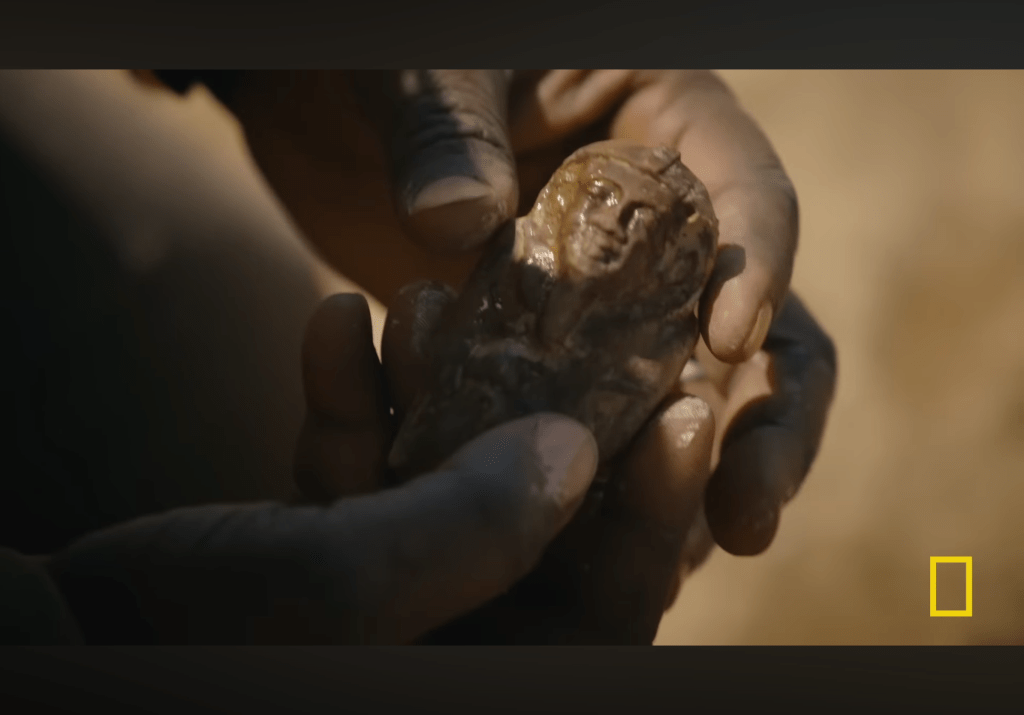
The documentary focuses on both the technical side of underwater excavation and the historical context of the Kushite kingdom. It’s interesting to see how they use basic tools like air hoses and lights, but also digital mapping and careful documentation to figure out how the tomb was built and what it once contained. Small details like the presence of gold fragments help them piece together a larger story.
Watching this reminded me of Mohenjo-Daro, a site in Pakistan that also holds historical importance but is facing damage instead of preservation. Unlike the tombs in Sudan, which were protected to some extent because they were underwater, Mohenjo-Daro suffers from flooding, groundwater issues, and general neglect. Seasonal rains often worsen the situation, and the brick structures have been eroding for years.
Both are examples of how water interacts with archaeological sites, but the outcomes are completely different. In one case, water preserved. In the other, it continues to destroy. This contrast also reflects how different regions approach preservation and care.
Movie: Flow
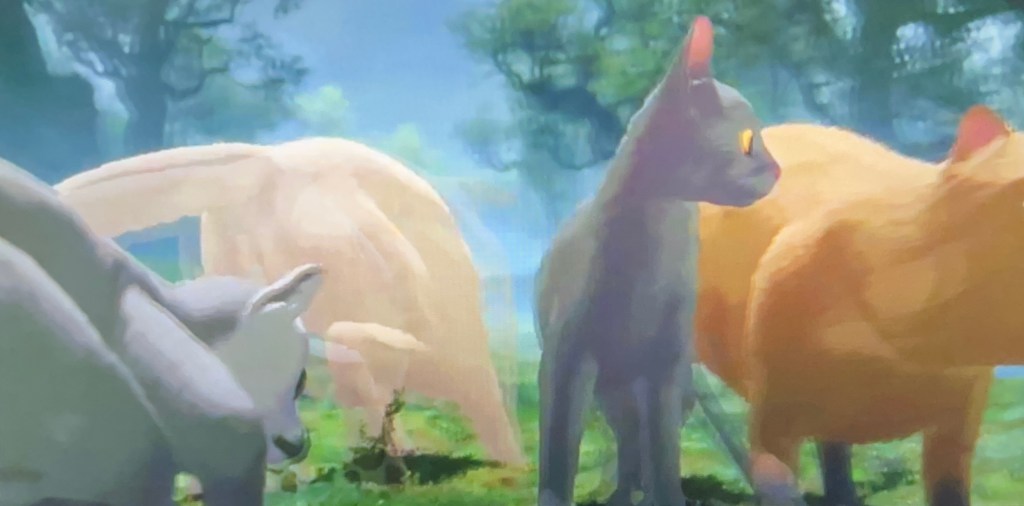
On my flight to London, I watched the award winner animated film ‘Flow’. It follows a black cat whose life changes when a great flood comes. The cat escapes onto a boat and slowly meets other animals along the way, a dog, a lemur, a capybara, and a bird. Together they drift through a drowned world, trying to survive.
For me, the black cat also carried meaning beyond the story. In many cultures, black cats are tied to superstition and seen as unlucky. But here, the cat is simply surviving like any of us would: cautious, vulnerable, but determined.
The flooded setting felt very close to real life. It reminded me of the recent floods in Pakistan, where so many families lost their homes, and where animals had nowhere to go. While some people tried to help, many creatures were left stranded. Watching Flow through this lens made it feel deeply relatable.
One moment that really touched me was when the cat, hungry and struggling, caught fish from the sea. But when it noticed the dog watching with hunger, the cat gave the fish away instead of keeping it for itself. Then looking at the hen the cat picked up another fish and put it in front of the hen only to face its anger. When more animals were rescued and everyone began eating, the cat stepped back quietly. It didn’t push or compete, because it understood they were hungry. That made me think of how often humans do the opposite, wanting everything for ourselves and then still reaching for what belongs to others. The cat’s act of giving was a sharp contrast to our own greed.
What makes the film stand out is how it looks and feels. It has a painterly quality. The skies, the water, the ruined landscapes all feel like brushstrokes, with colors shifting to match the emotions of each scene. The style is quiet and dreamlike, with no dialogues.
Dahomey
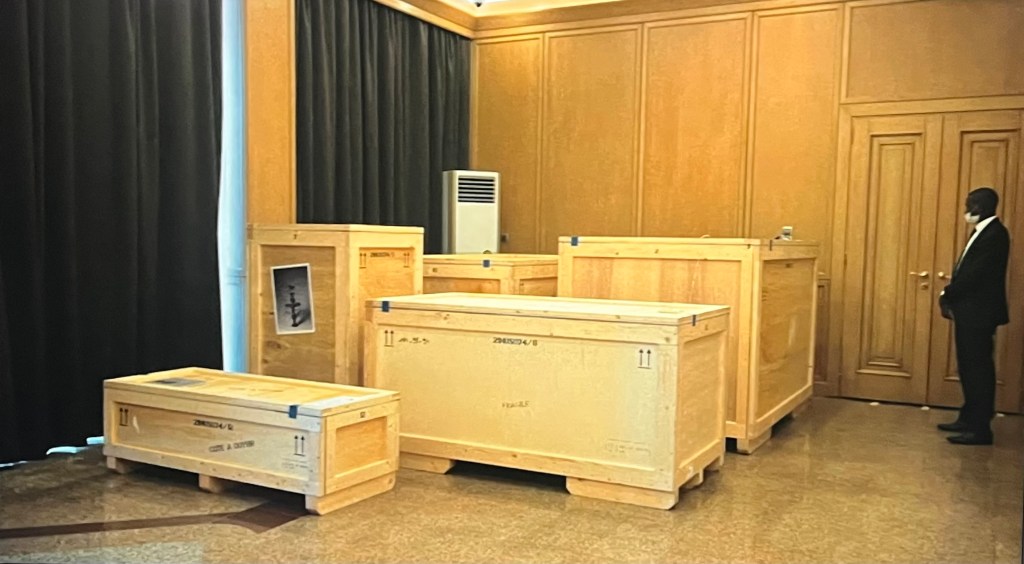
I recently watched a film called Dahomey (2024), directed by French-Senegalese filmmaker Mati Diop. What drew me in was not only the subject matter – repatriation of looted cultural objects – but also the way the film was made. Rather than being a straightforward documentary, it gave voice to the very objects that had been stolen, placed in European museums, and stripped of their cultural and spiritual meaning.
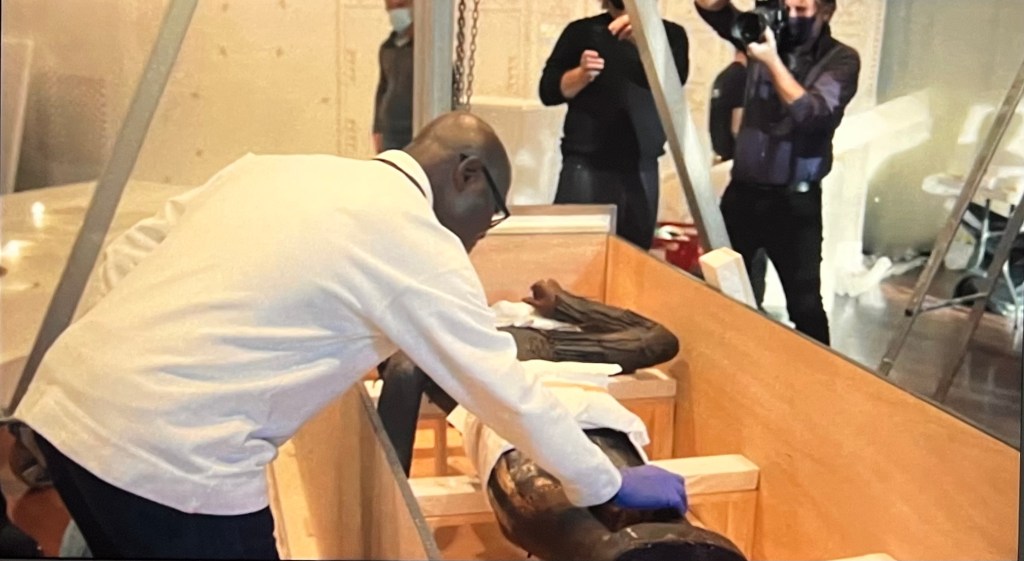
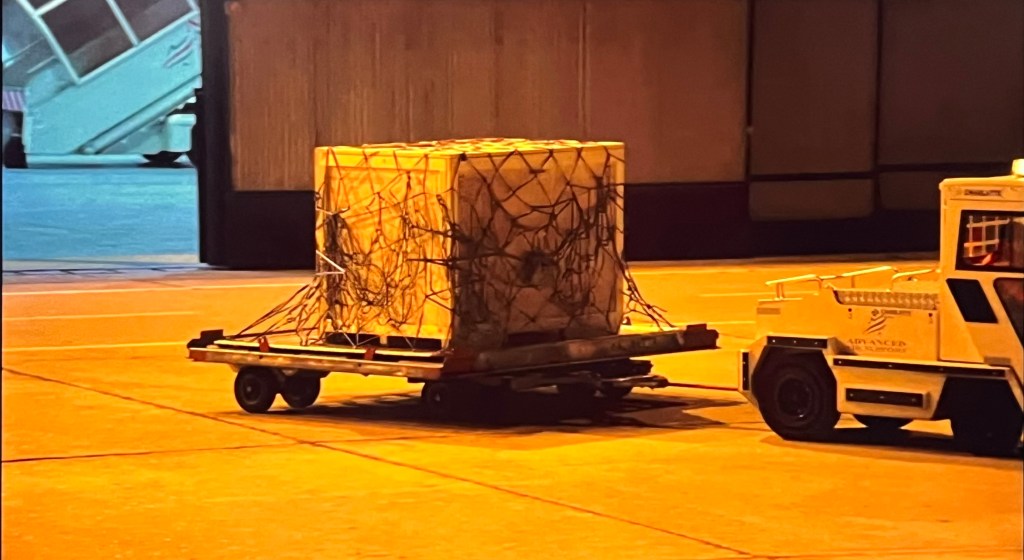
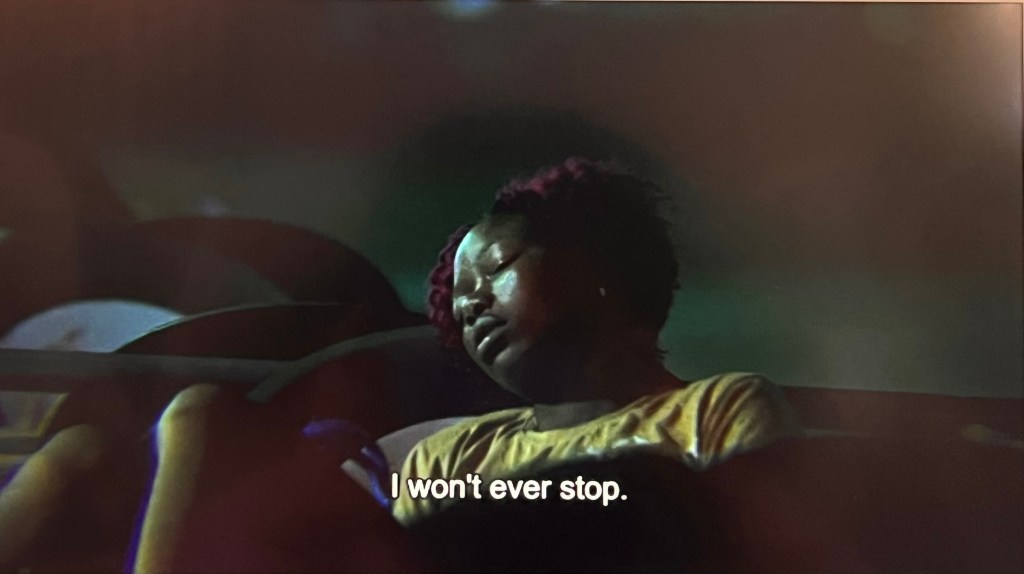
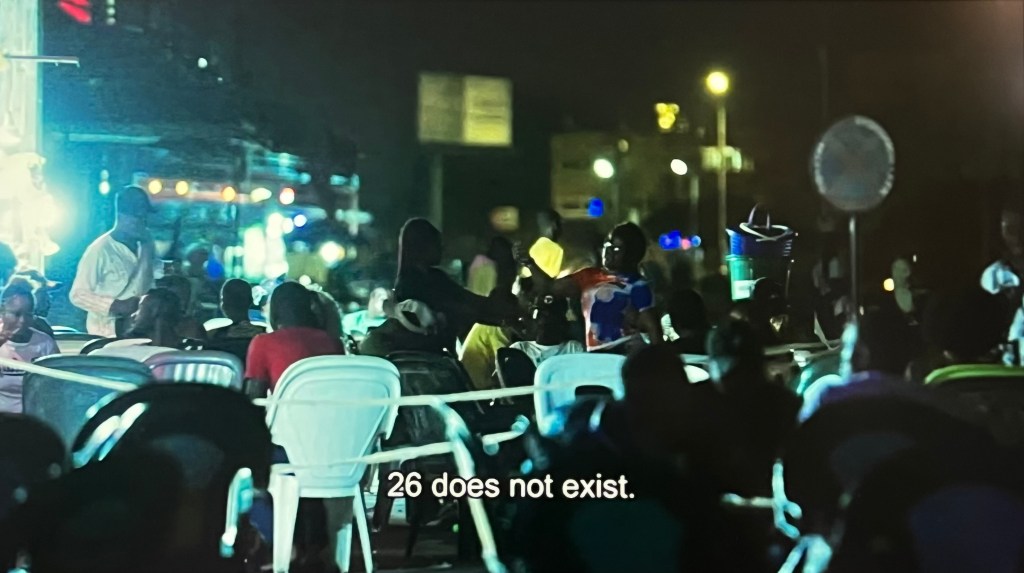
The film follows the return of 26 royal treasures of the Kingdom of Dahomey (present-day Benin), taken by French colonizers in the 19th century and kept in Paris for more than 130 years before finally being sent back in 2021. Among them is Object 26, a human-sized wooden statue of King Ghezo. In the film, this statue is given a literal voice. Through its narration, we hear the journey of an object that was once alive in ritual, in worship, in cultural continuity – but was reduced to a lifeless exhibit behind glass.
Through the voice of King Ghézo’s statue, the audience hears lines like: “I journeyed so long… it was so dark in this foreign dream.” These words capture the object’s exile – cut from its land of birth, treated as dead, and displayed only as a token of colonial power. The “foreign dream” resonates not only with migration and displacement but also with the colonizer’s fantasy of owning another culture’s heritage.
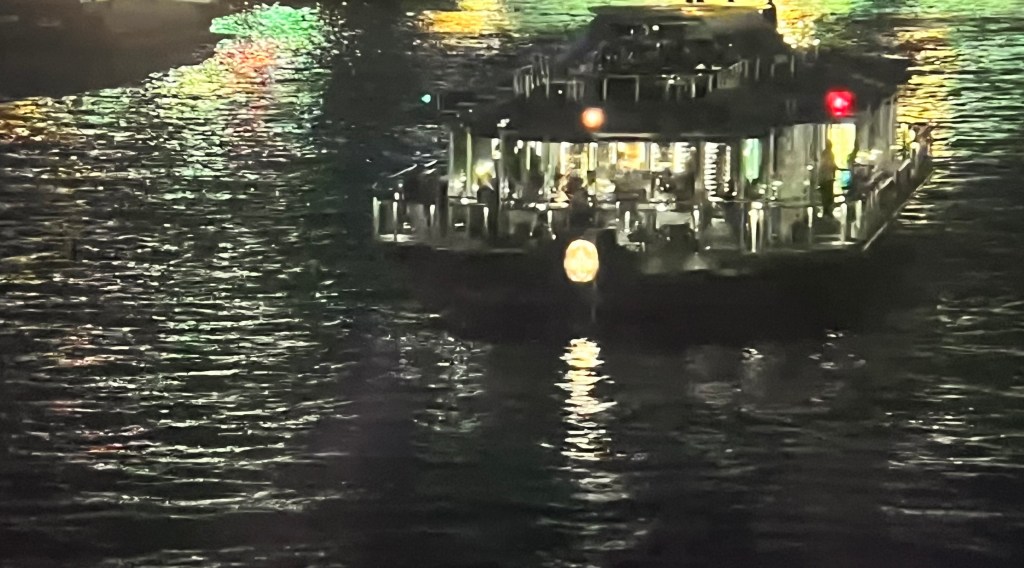
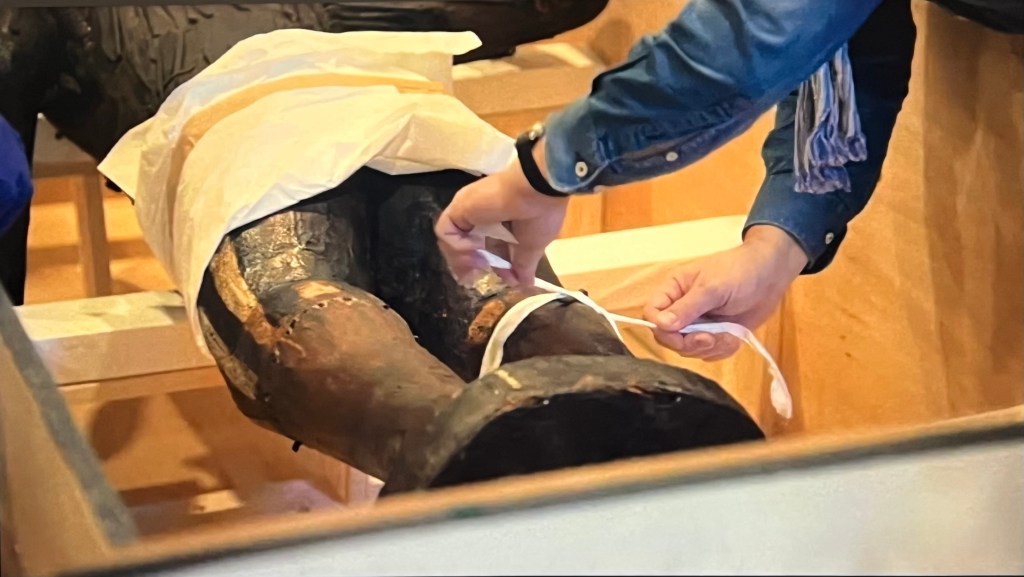
Crates, storage boxes, and shipping containers are shown in long, patient shots, their repetition recalling rows of coffins. This makes the viewer think of how artifacts, like human bodies, are trapped, preserved, and yet deprived of life. The boxes reminded me of Squid Game a show, where each eliminated body (dead body) is sealed in a coffin-like container here, each artefact is sealed in wood and glass, removed from ritual use and taken away from its homeland.
Some shots stay so long on a single angle of a carving or a scar in the wood that the viewer is made to stop and look. These become metaphors for violence: cuts, removals, plunder. The close-ups are like forensic examinations of wounds, while the longer, centered framings elevate the statue to a kind of living presence.
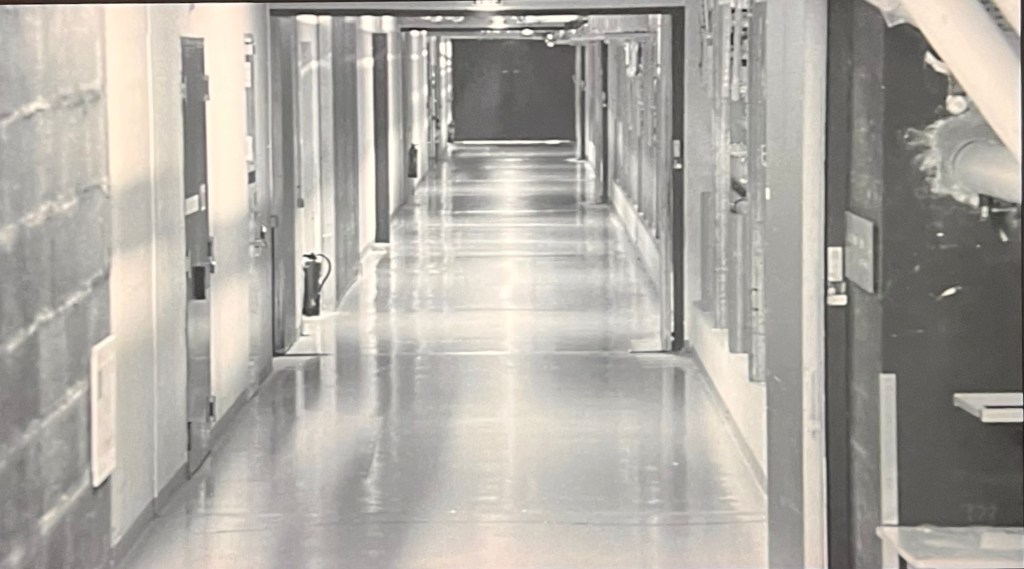
When the crates finally arrive in Benin, the tone shifts. Warm light, handheld camerawork, and the sounds of drums and crowds replace the cold, fluorescent-lit storage rooms. The artifacts are not behind glass; they are received in public, and returned to the homeland. This contrast makes a powerful argument: objects belong not in sterile silence but in living cultural space.
Dahomey ultimately argues that repatriation is not just about logistics or “guardianship” – it is about restoring dignity, memory, and access. The film ends not with the museum’s authority but with the community’s embrace. By giving the statue of King Ghézo a literal voice, Diop makes us rethink how heritage speaks, and for whom.
The film’s reception confirms its urgency. Premiering at the 2024 Berlinale, Dahomey won the Golden Bear for Best Film, making Diop the first Black woman director to receive the festival’s top prize. Its acclaim comes not only from its politics but from its form – part documentary, part essay film, part imagined testimony.
visual Observations
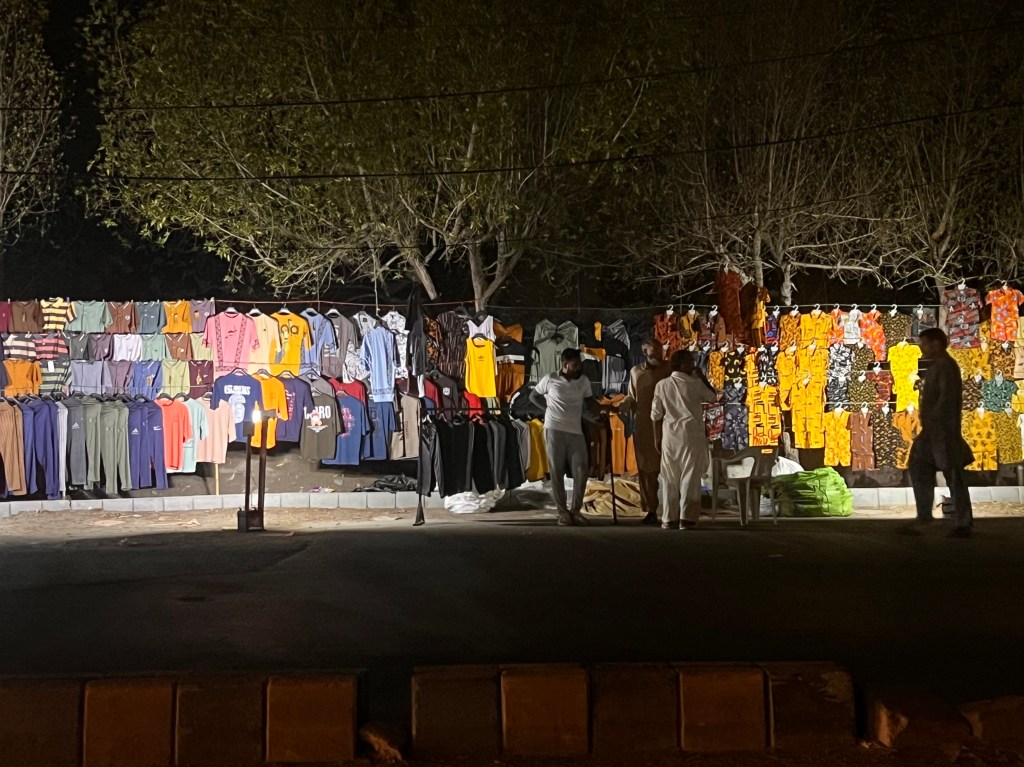
So I’ve started a series of videos that I call The Act of Performing in the Everyday. I’ve been documenting and recording small, everyday moments, just things I come across, people, movements, gestures, these subtle performative acts that are happening all around us but often go unnoticed. Some are short video clips, a few of which are also uploaded to YouTube and instagram. I’ve linked those where relevant. These observations come from moments I felt drawn to. They weren’t pre-planned or overthought just instinctive captures of what caught my eye. I hope you enjoy going through them.
This specific video talks about this kind of human presence that exists on the planet, and this sense of individuality that even something like plastic wrappers or dry leaves seems to carry. Each wrapper feels like it represents a person, someone arriving, someone leaving, someone trying to stay. There’s this feeling of urgency, like something is resisting or holding on.
These aren’t staged performances but rather moments that happen naturally. I’m more interested in observing them and maybe even silently critiquing them or at least reflecting on why we don’t usually pay attention to them.
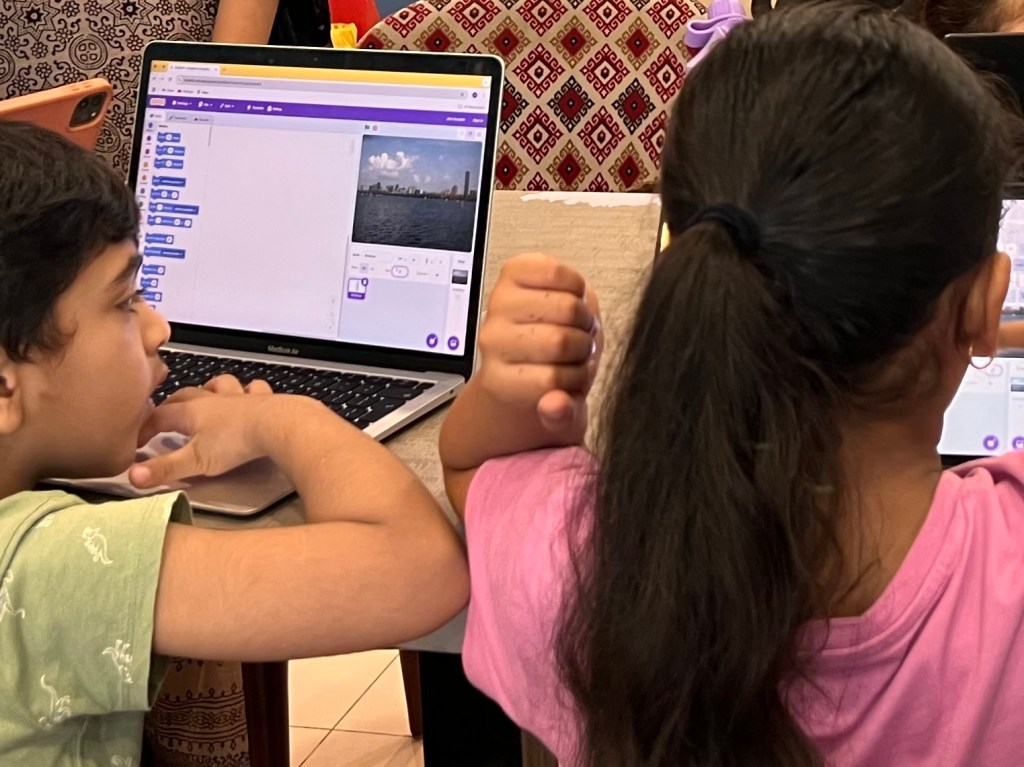
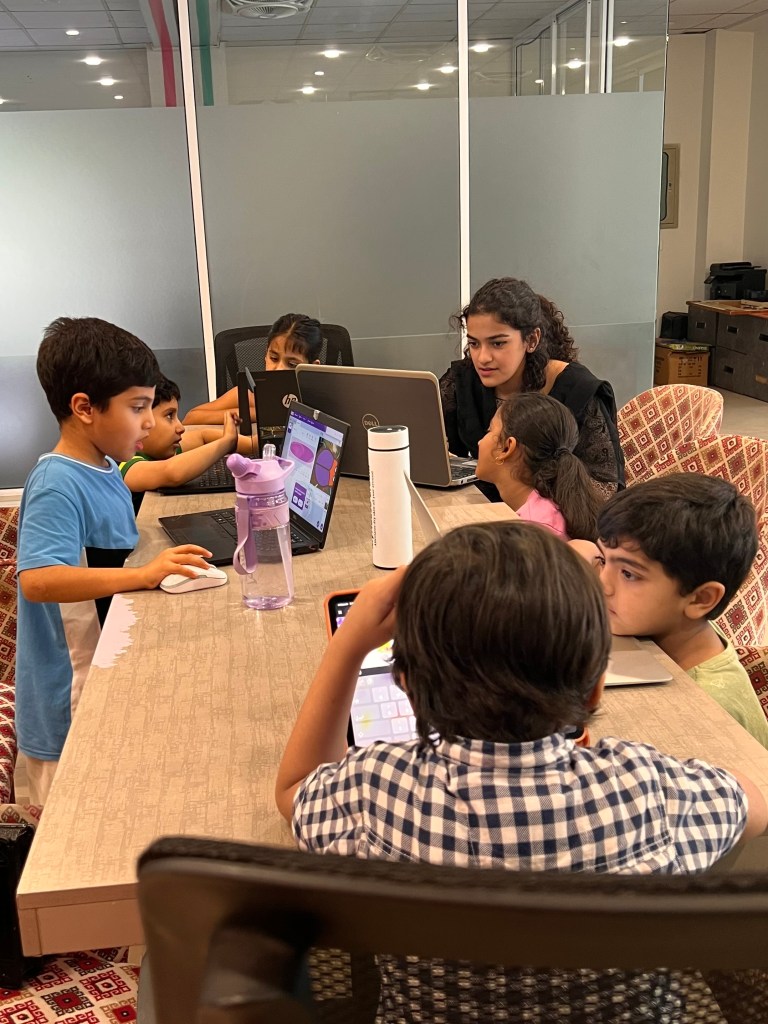
7 Day Workshop Reflection: Working with Children at Mecha Robotics
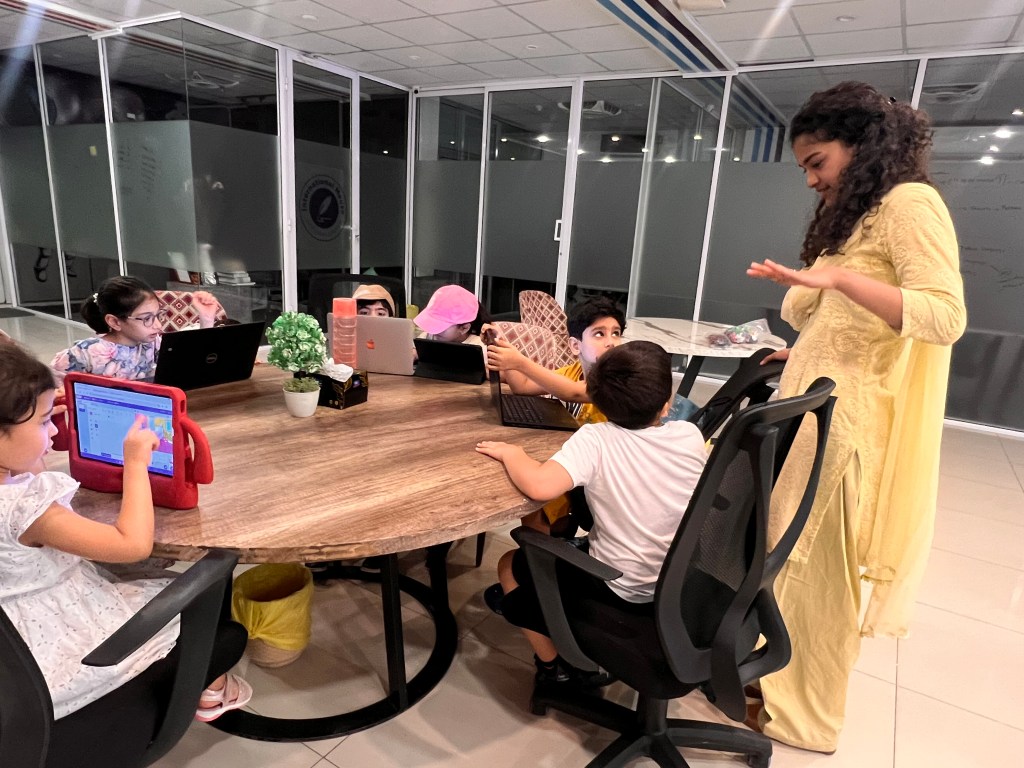
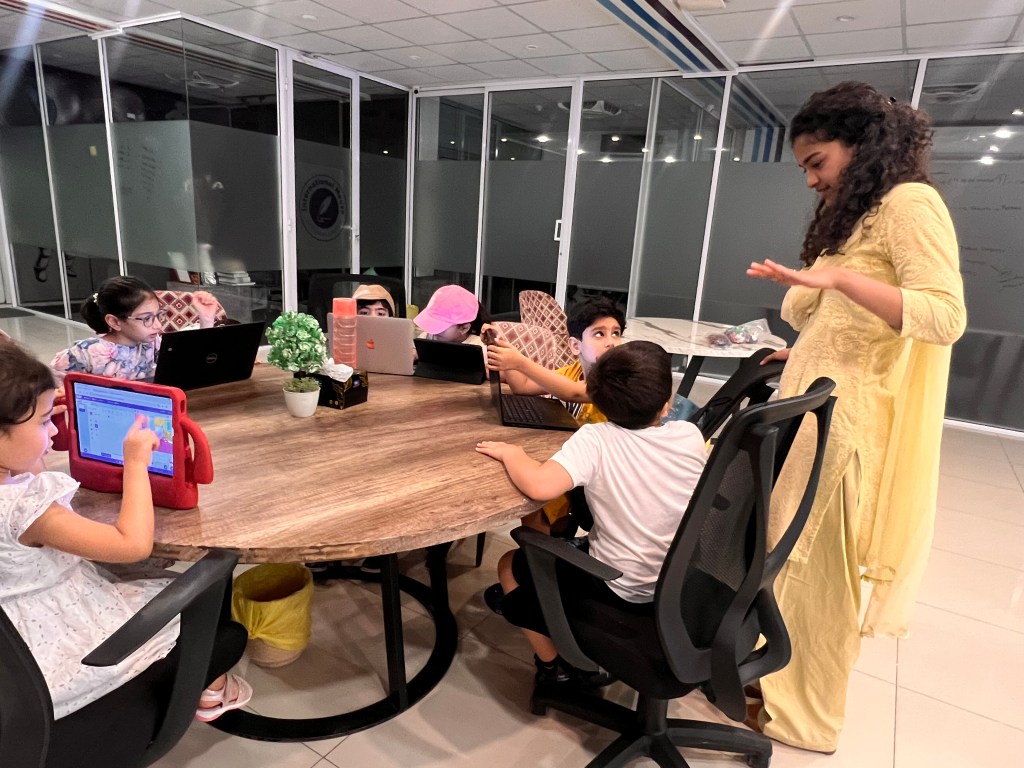
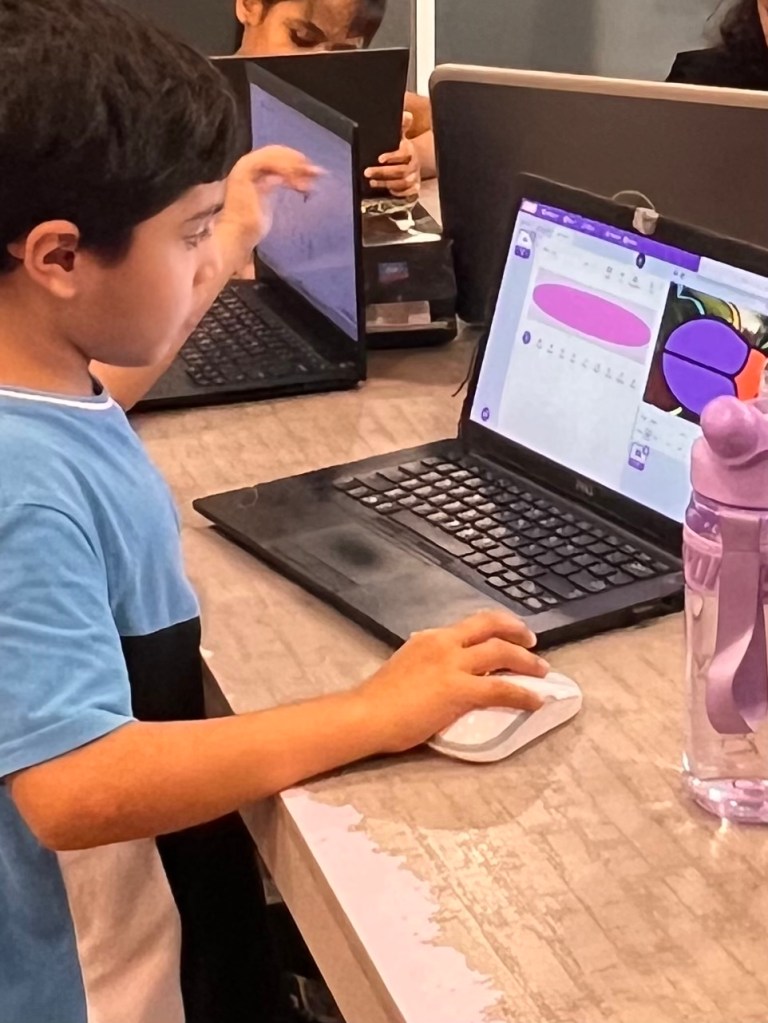
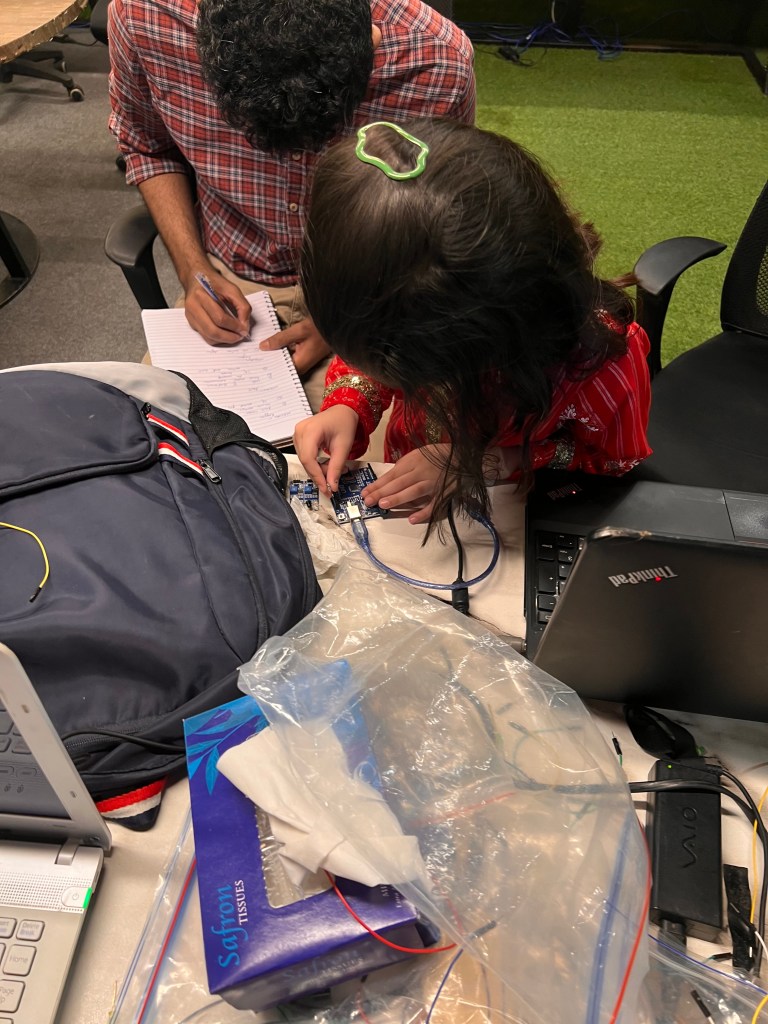
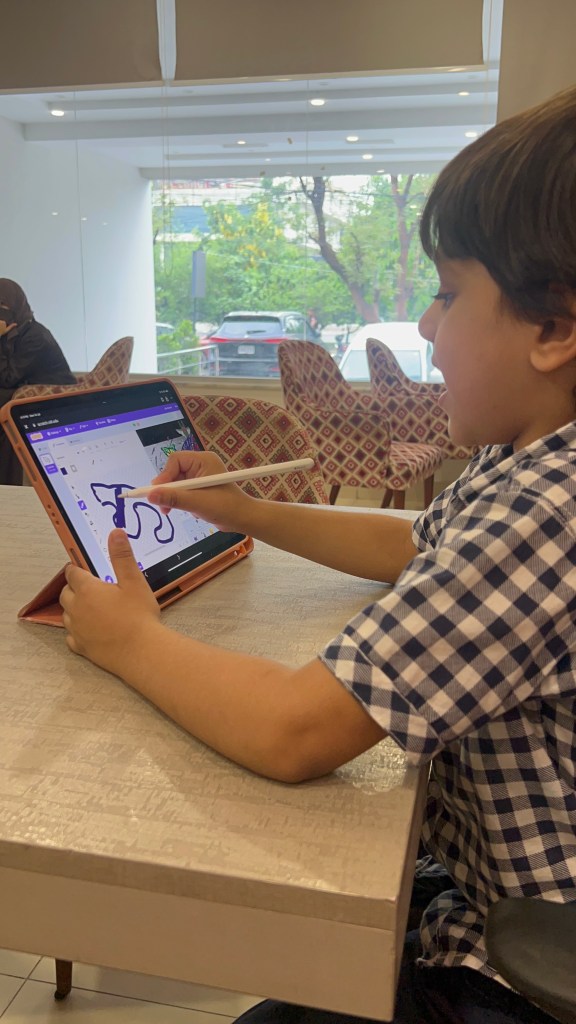
I’ve been interning at Mecha robotics, which is an education center in Lahore. They have different branches, and I’ve been working at the one in Johar Town, helping out children with the basics of robotics.
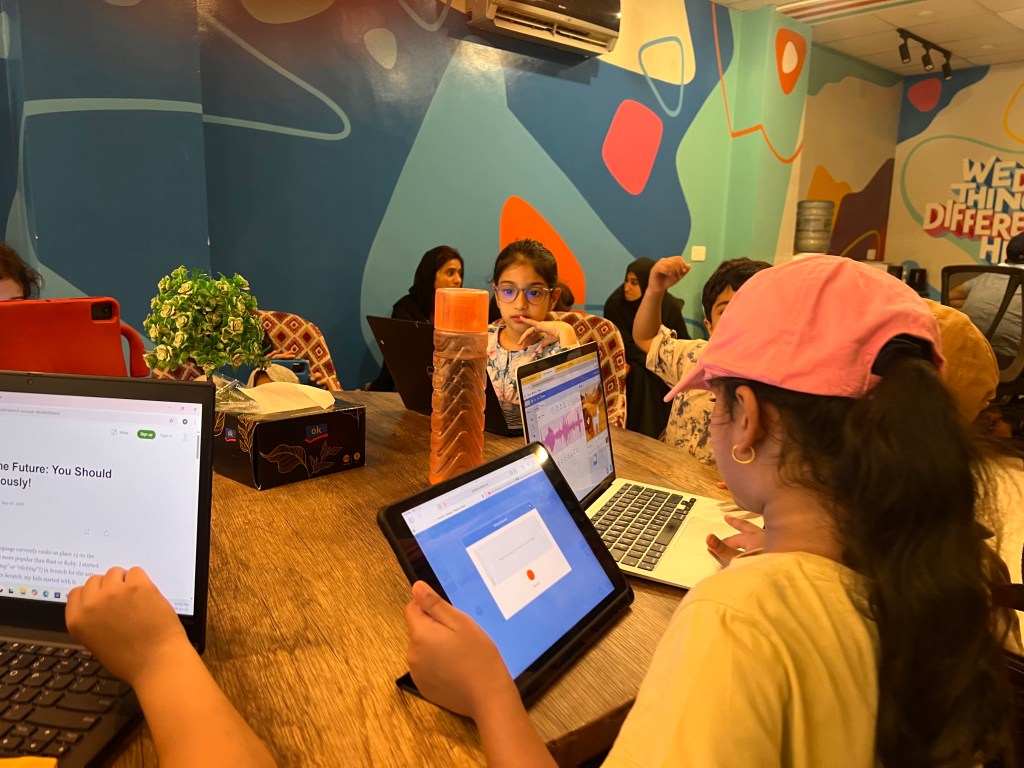
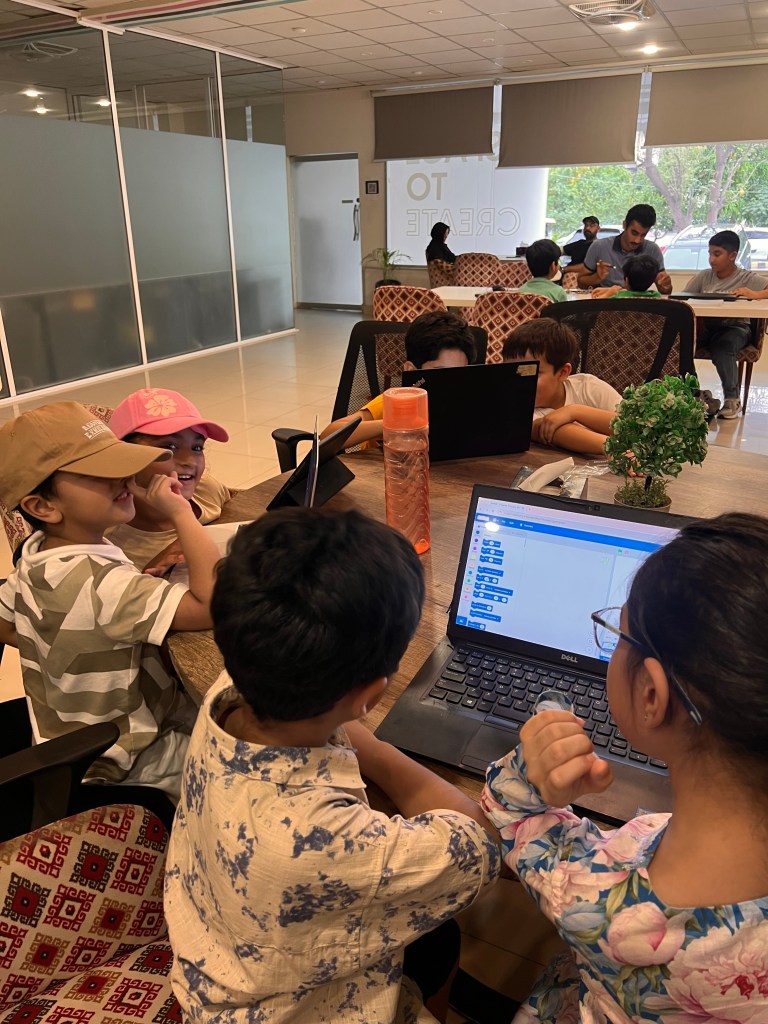
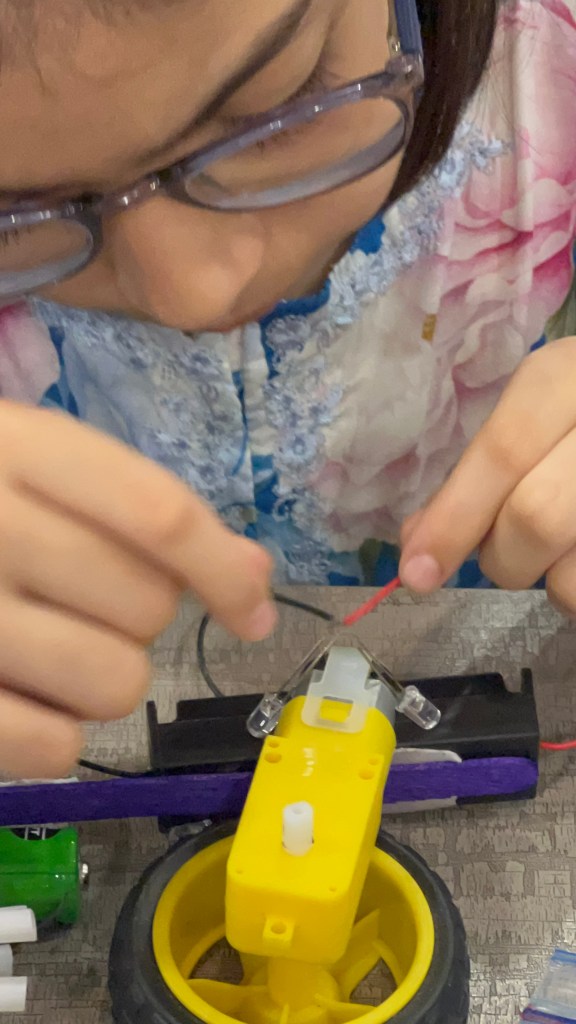
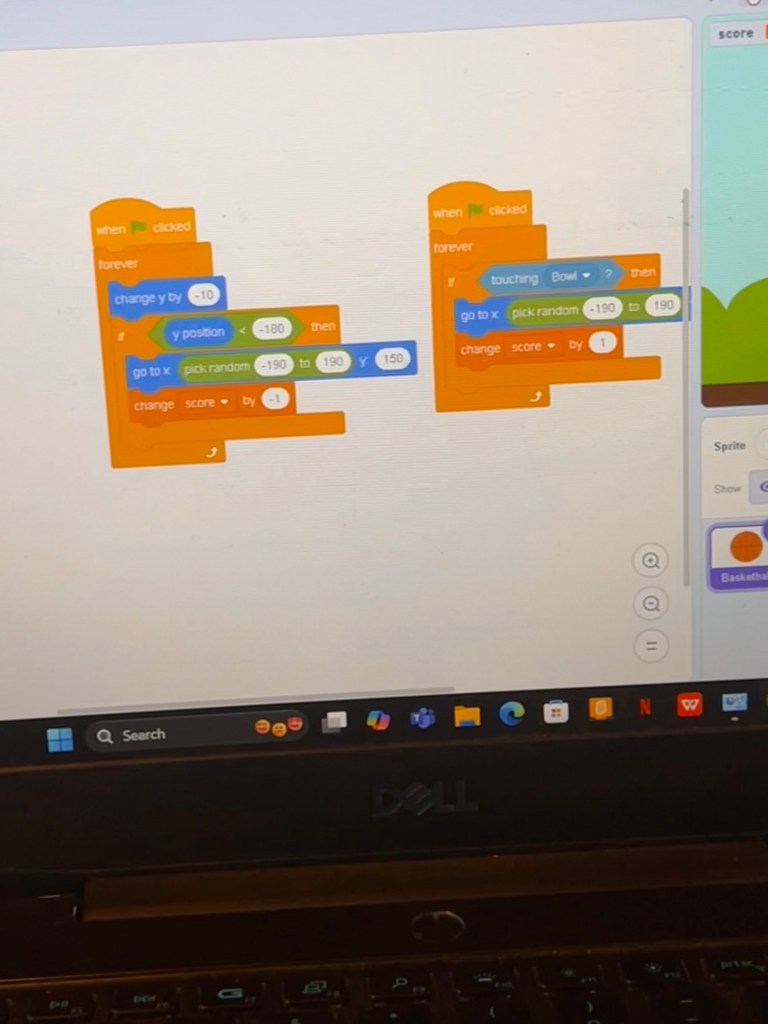
We use Scratch, which is a beginner level visual programming language designed for children so they can learn how to code in a simple and engaging way. I usually help them understand how it works and guide them through the steps. After that, we move on to basic things like lighting a bulb or connecting a simple circuit.
In the beginning, the sessions were for children aged 4 to 7, but now I’m also working with older kids aged 10-12 years. The older kids use pictoblox. Pictoblox works a lot like scratch using drag and drop blocks to create instructions but it’s allows users to control physical hardware like Arduino boards, sensors, motors, LED’s and even robots. It supports block based programming for beginners and also has an option to switch to python. It’s mostly used for educational purposes and prototyping rather than professional use. It’s interesting to see how differently they respond and how their understanding develops once they start experimenting. It’s been a consistent, hands-on learning process for them and for me too.
A Playlist of the documentation
One of the most interesting activities we did with the senior students involved building a model of an automatic barrier gate, like the kind you see at toll booths or motorway entrances. The students used popsicle sticks, servo motors, and a PIR (motion) sensor to construct their models. Through PictoBlox, they gave visual commands to the Arduino UNO, which controlled how the components reacted.
Basically, when the motion sensor detected someone nearby, the servo motor would turn to 90° lifting the barrier. They also programmed a digital pin to briefly turn on and off, possibly to simulate a light or signal. Once there was no more movement, the barrier would lower again by turning the servo back to 0°. The commands they used included blocks like “when Arduino UNO starts up,”“read digital sensor,”“set servo on pin 3 to 90°,”and “set digital pin output to HIGH/LOW.”
Below is the documentation and visual representation of the commands.
Artists
Pipilotti Rist
I have always been fascinated by Pipilotti Rist’s work because of the way she creates experiences, how she combines different mediums, and how carefully she puts everything together. I’m also interested in a multidisciplinary approach that includes performance, video, and installation art. In her work, simple gestures or everyday movements often become the starting point. She builds around these small actions to create more complex narratives. The complexity isn’t in the gesture itself, but in how it’s edited, framed, and interpreted. That approach is something I find important.
Pipilotti Rist was born in 1962 in Grabs, Switzerland. Her real name is Elisabeth Charlotte Rist. She started calling herself “Pipilotti” as a mix of Pippi Longstocking and her own name. She studied graphic design in Vienna and later audiovisual communication in Basel.
Rist is known for her video art and immersive installations. Her work often focuses on the female body, color, nature, and emotion. She uses video in experimental ways, projected on ceilings, curtains, glass, or objects, creating spaces where viewers don’t just watch, but move through the work.
In theBrilliant Ideas documentary, Rist says that vulnerability is a form of strength. She also says that reality is as colorful as her work and the when we’re depressed we see less color. She started using primary colors in editing, more when a teacher told her not to.
One of her early pieces, Pickelporno (1992), responds to mainstream pornography. It shows close-ups of skin, hair, plants, and movement. The camera moves slowly and intimately, but without violence. It’s not made to arouse it’s made to question how bodies are shown and consumed and objectified especially from female perspective.
In Ever Is Over All (1997), a woman walks down the street smashing car windows with a large metal flower. She smiles. People walk by and don’t stop her. Even a policewoman smiles and nods. The whole video plays in slow motion. It looks soft and light, but also strange because it’s something one would normally be terrified to do but it’s being done and everyone’s okay with it including the policewoman.
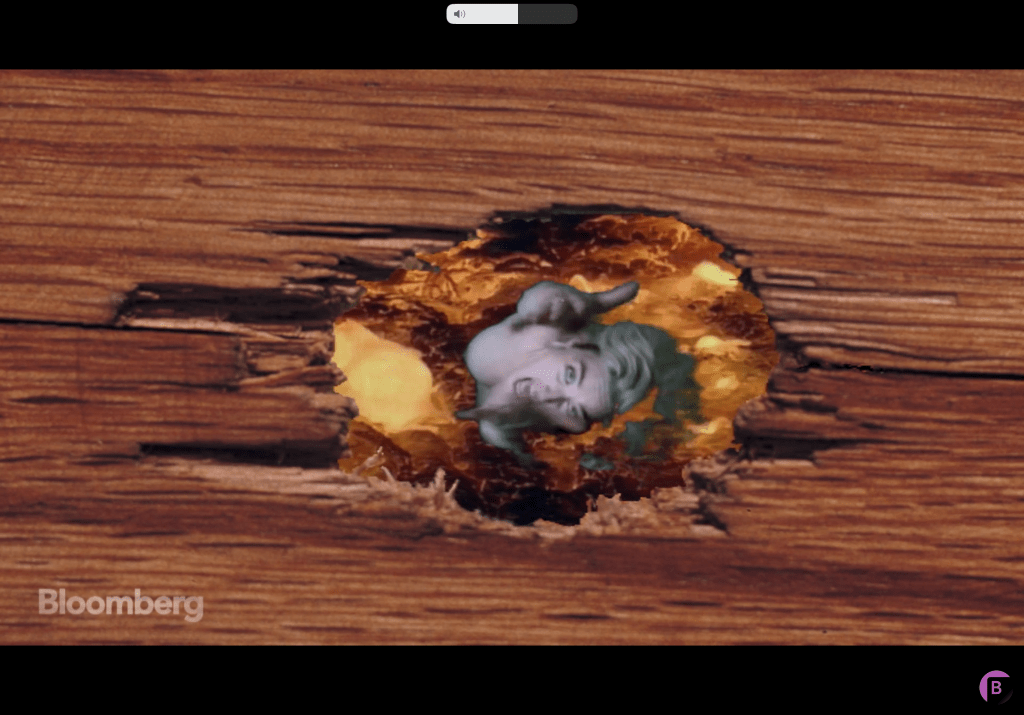
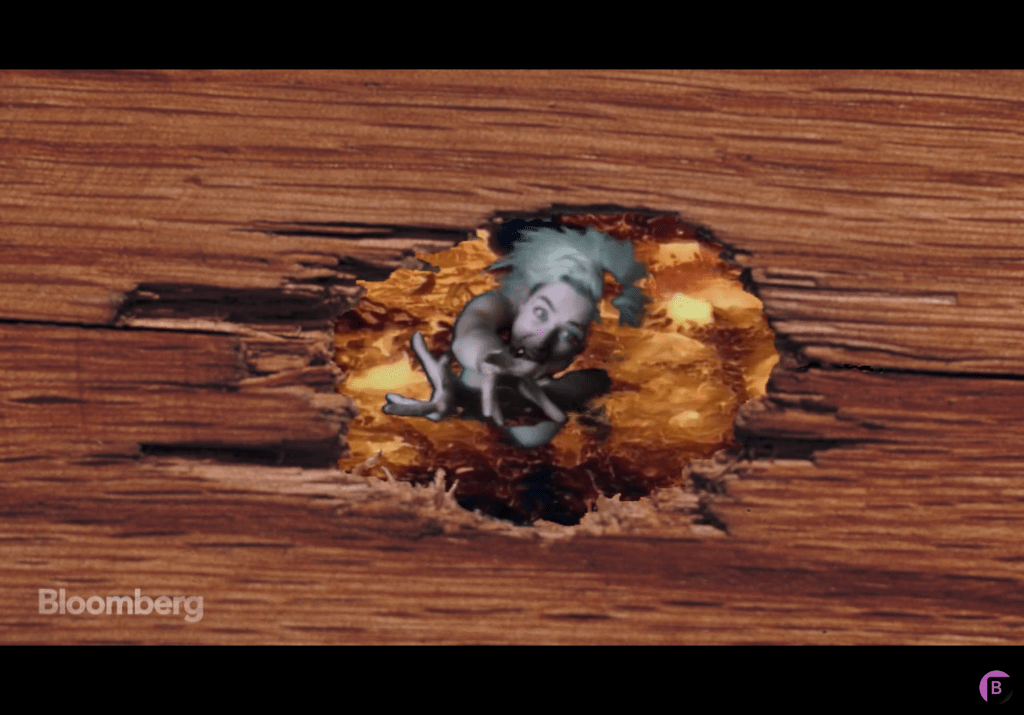
Another work, Selfless in the Bath of Lava (1994), is an audio-video installation. A small screen shows a naked figure submerged in fire or lava, shouting:
“I am a worm and you are a flower. You would not eat a flower.”
The image is tiny and easy to miss, but the voice is loud. It’s placed in the floor or in a wall. People sometimes walk past it without noticing. The screaming continues. It feels like a punishment, or like someone trapped. She never says the word “hell,” but you think it.
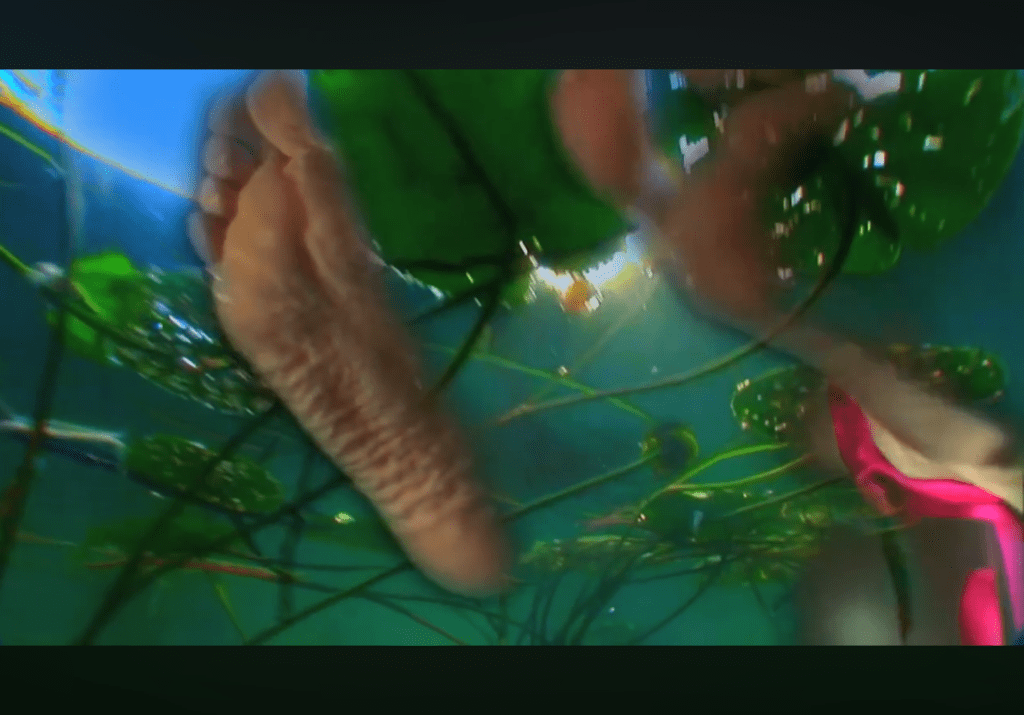
In Sea Lily White Days (2001), the body is shown underwater, floating and slow. Everything is soft and dream-like. Light moves gently. There’s no beginning or end
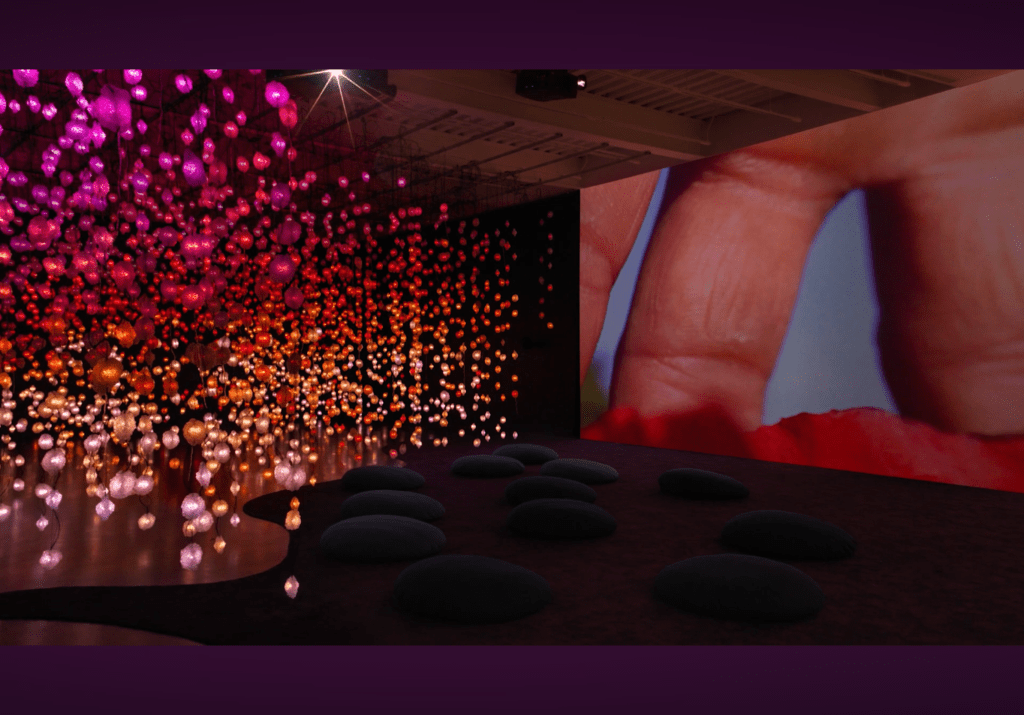
Over time, Rist moved from short videos to full-room installations. Pixel Forest (2016) is one of them. It has hundreds of hanging LED lights that change color and respond to video. People walk through it. It feels soft, and digital, and real at the same time.
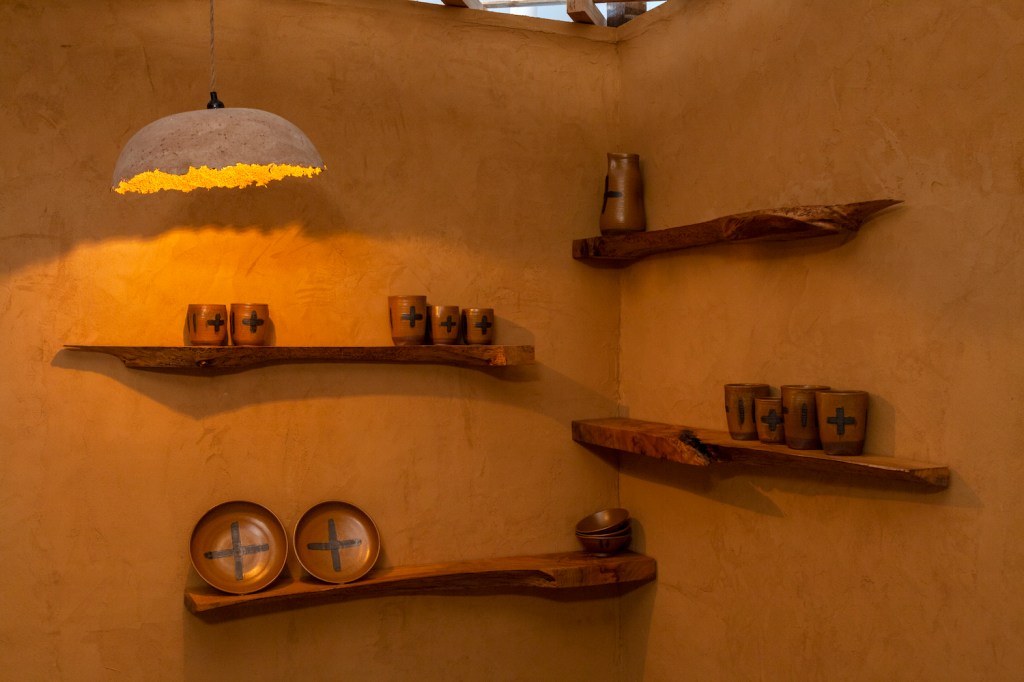
I came across Rose B. Simpson, and since then I’ve been thinking about her practice. She works in ceramics, metal, painting, sculpture, fashion, music, performance, and video. She studied at the Institute of American Indian Arts and did her MFA at the Rhode Island School of Design.
What’s interesting is how she uses all these different mediums to process personal and historical experiences. Her work looks at the emotional and cultural effects of colonialism, modern technology, and the systems that distance us from ourselves. Especially the kind of experiences where you’re made to feel disconnected or reduced to a stereotype. A lot of what she does feels like an attempt to reconnect with parts of the self that have been pushed aside or ignored.
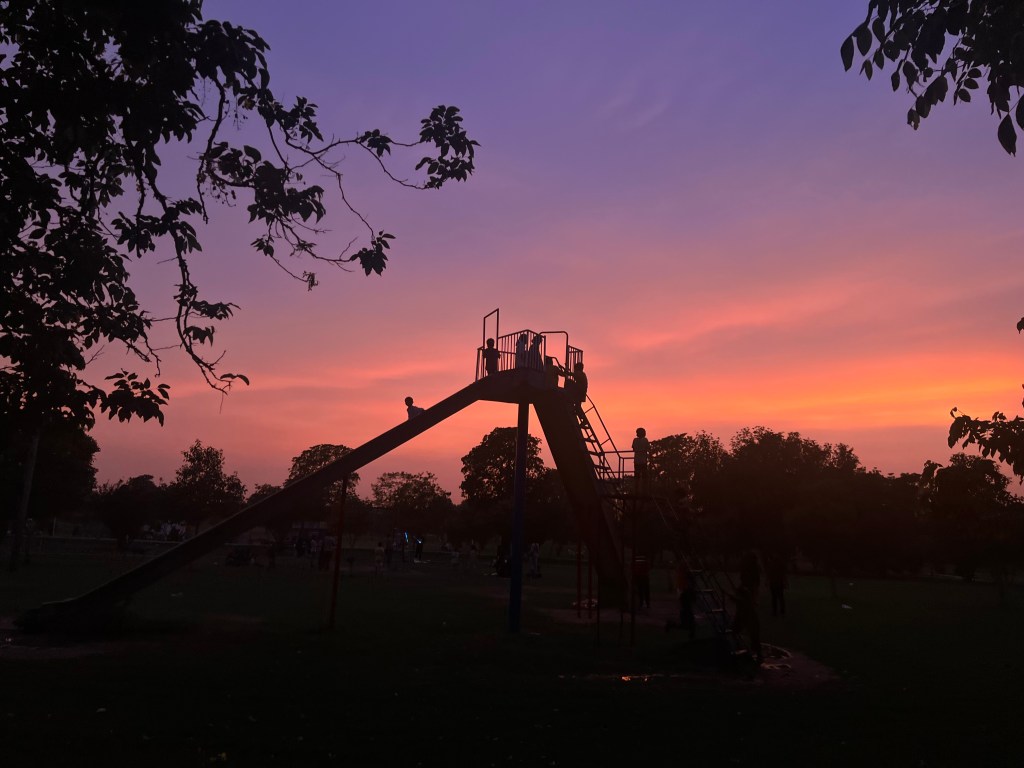
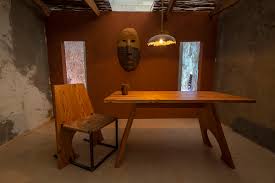
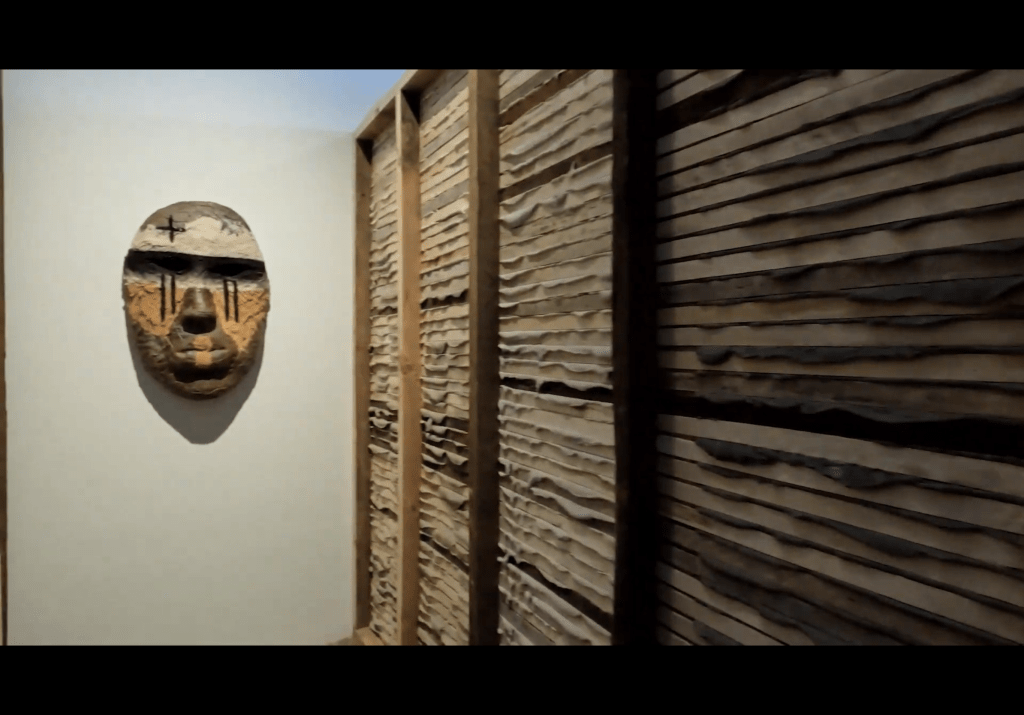
The work that fascinated me the most was Dream House from 2022. It’s an installation made up of four rooms. In one of them, when you walk in, your shadow is cast across the wall. The shadow work really made me think how something so simple can become so powerful. I often times go to the park at night and love observing shadows being casted but I never really thought of it being used as “Art” especially interactive art and the audience becoming part of it.. You’re not just looking at the work you’re part of it.
The shadow brought up a lot for me. It reminded me of the idea of the shadow self the parts of us we don’t show or admit. In Jungian psychology, the shadow represents what we’ve pushed down or don’t want to face. Seeing that idea play out visually, without being forced or overly explained, made me reflect on how we carry those parts of ourselves into every space we enter.
Dream House (2022)
Dream House (2022)
The installation uses painting, sculpture, and video, all together. Nothing feels separate or out of place. The video blends into the room. It isn’t just there to be watched, it helps create the atmosphere.
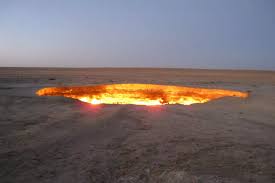
There’s something about phenomenon’s that really fascinates and intrigues me. Maybe it’s the way they aren’t fully clear or easy to understand and how no one has the power to control them. Some of them feel like they hold a kind of presence, like something bigger and beyond our human imagination. Not just nature doing its thing, but something else, something we can’t quite explain In the middle of the Karakum Desert in Turkmenistan, there’s a massive burning crater called the Darvaza Gas Crater, also known as the Door to Hell. It was formed in the 1970s when Soviet geologists hit a pocket of natural gas while drilling. To stop the methane from spreading, they set it on fire, thinking it would burn out in a few days. But it didn’t. It’s still burning.
It’s strange how a fire like that can keep going for decades. The name Door to Hell doesn’t feel exaggerated. It really does look like a kind of portal. In Islamic belief, Dozakh is the word for hell, and seeing this huge pit of fire makes me think of it.
Exhibitions
Mona Hatoum
Mona Hatoum Encounters: Giacometti
Mona Hatoum
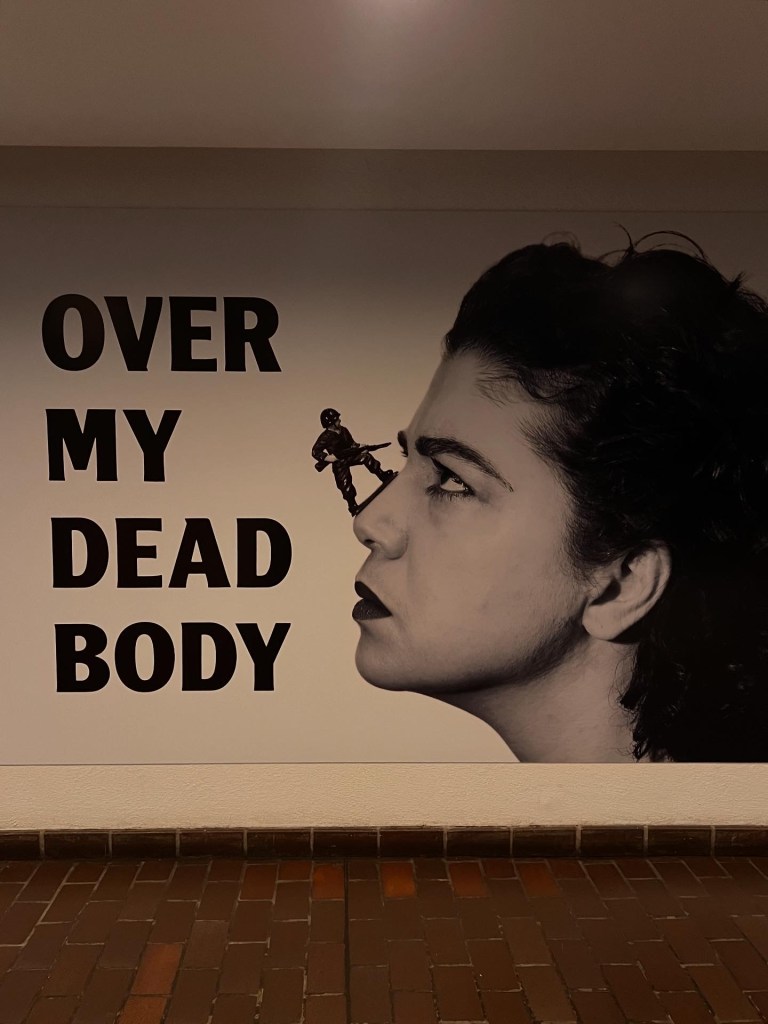
Mona Hatoum is a Palestinian-Lebanese artist whose work explores displacement, conflict, and the body. She uses everyday materials in surprising ways to create installations and sculptures that make familiar spaces feel strange, reflecting on fragility, memory, and the impact of global events.
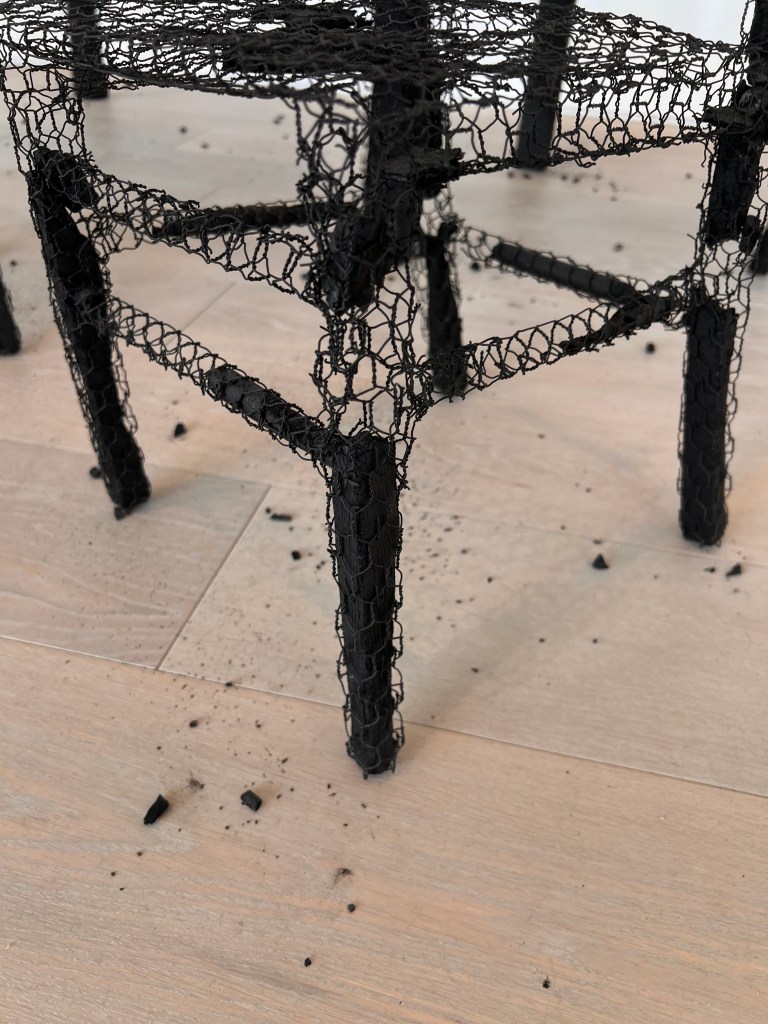
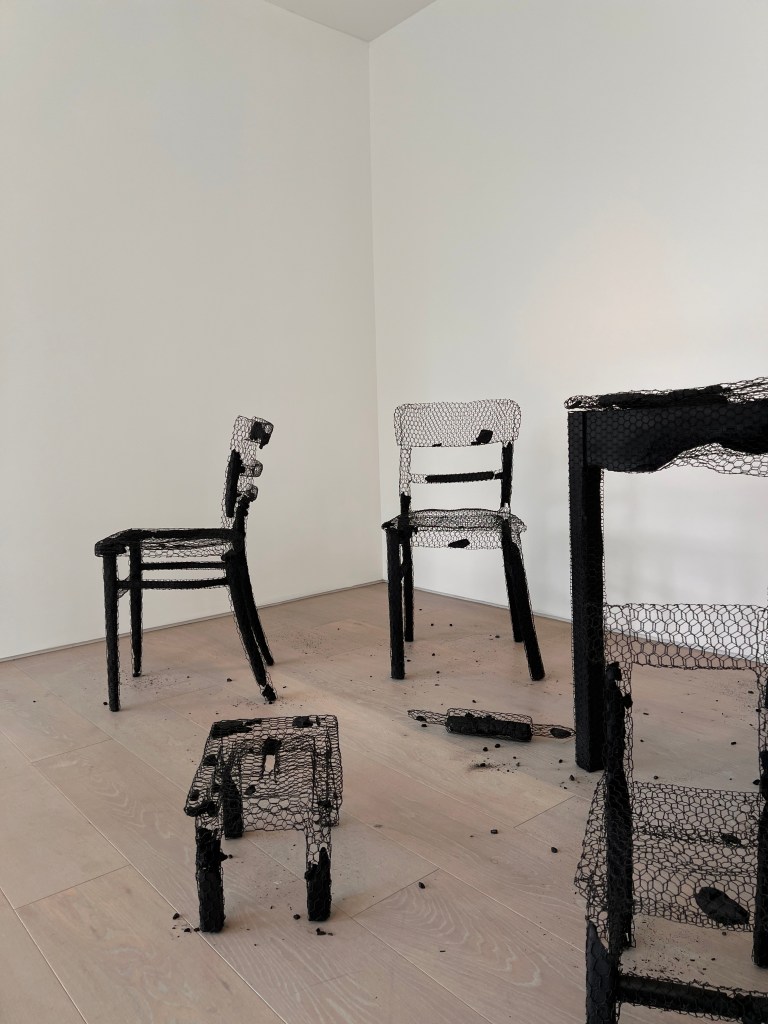
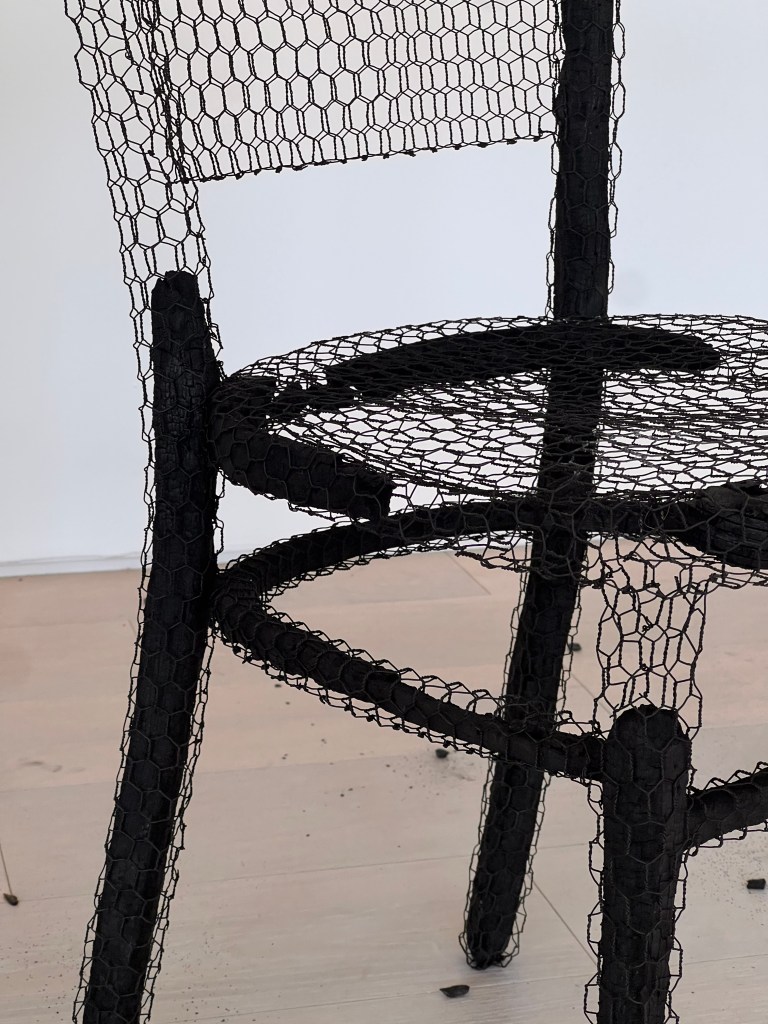
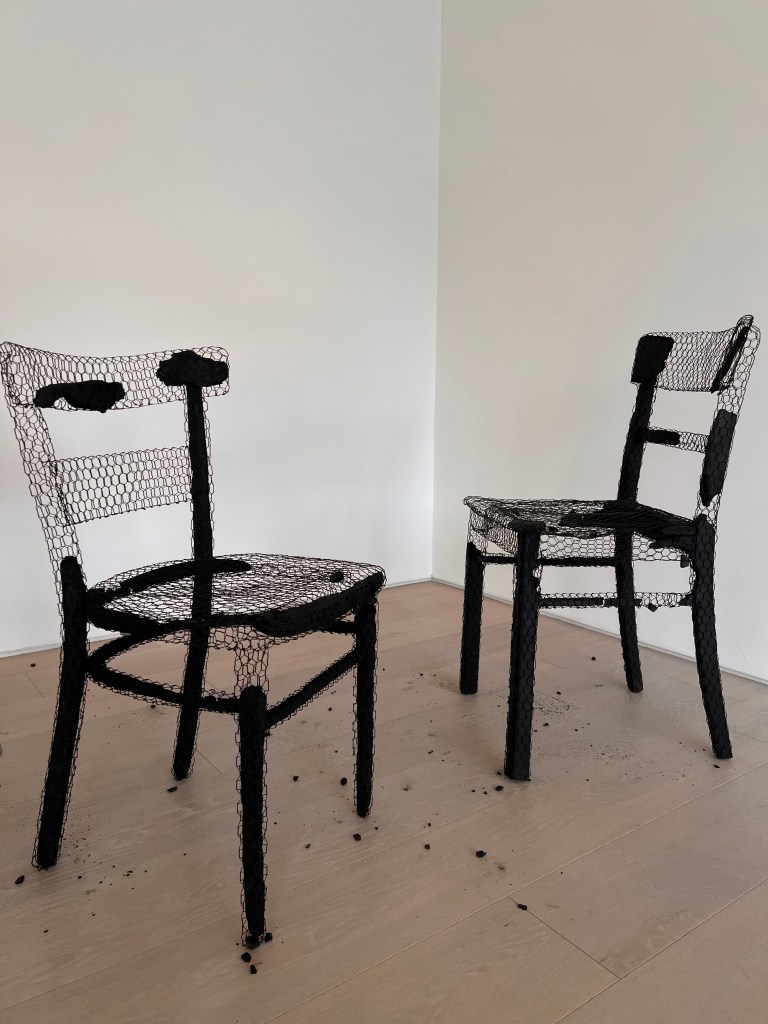
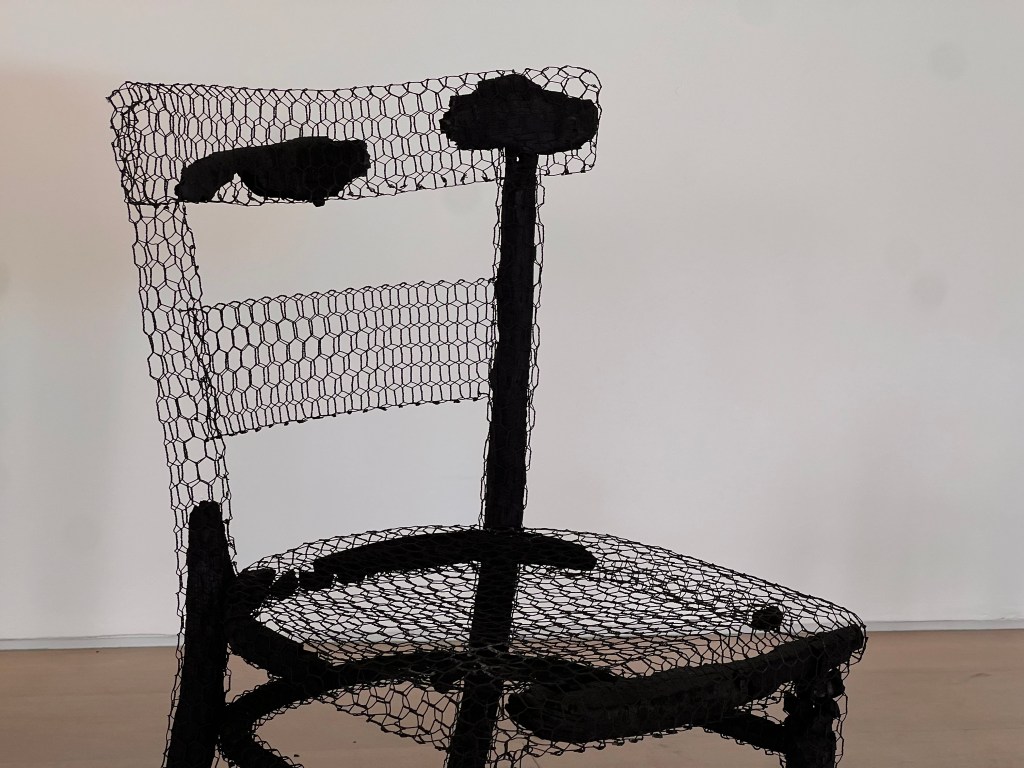
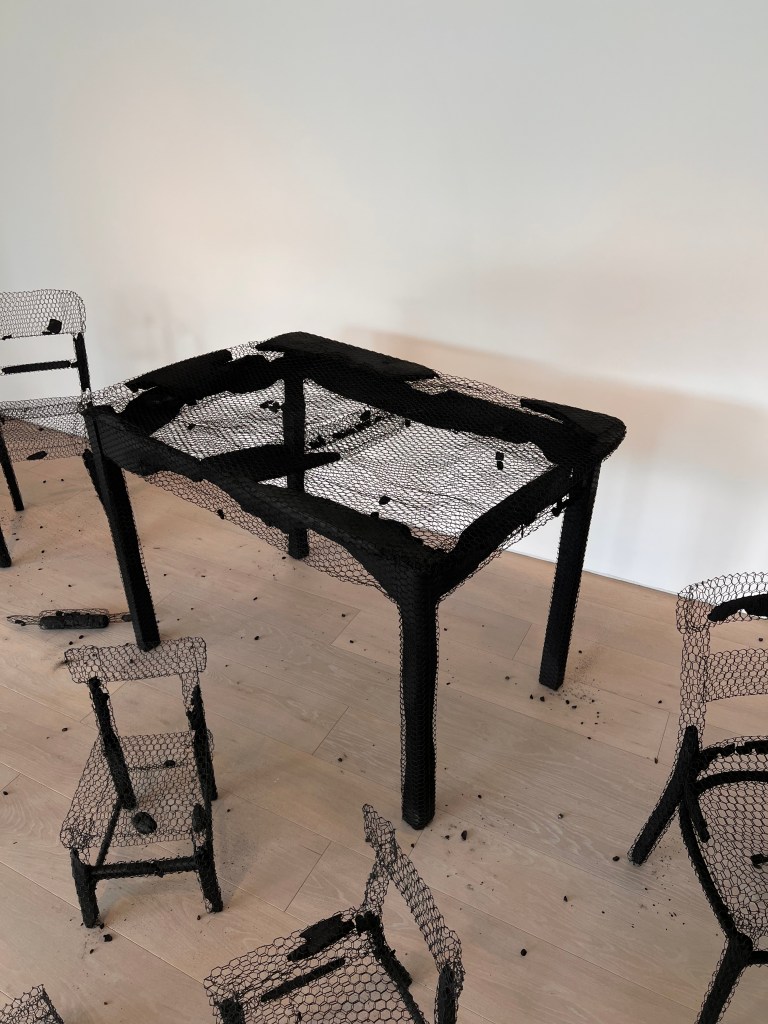
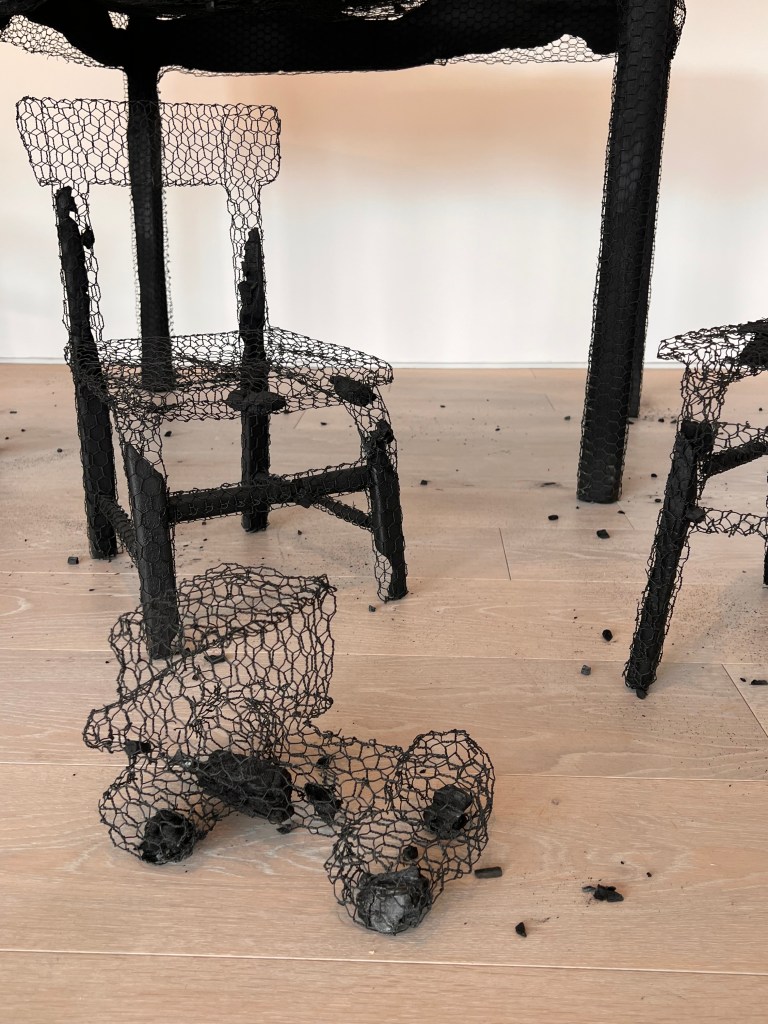
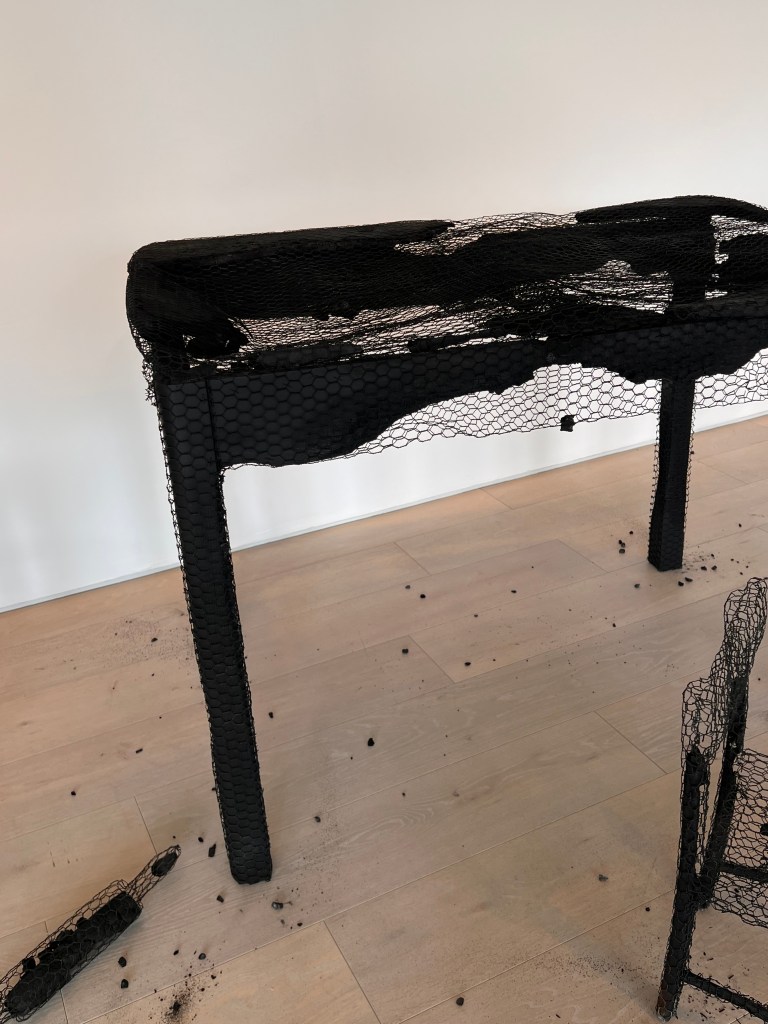
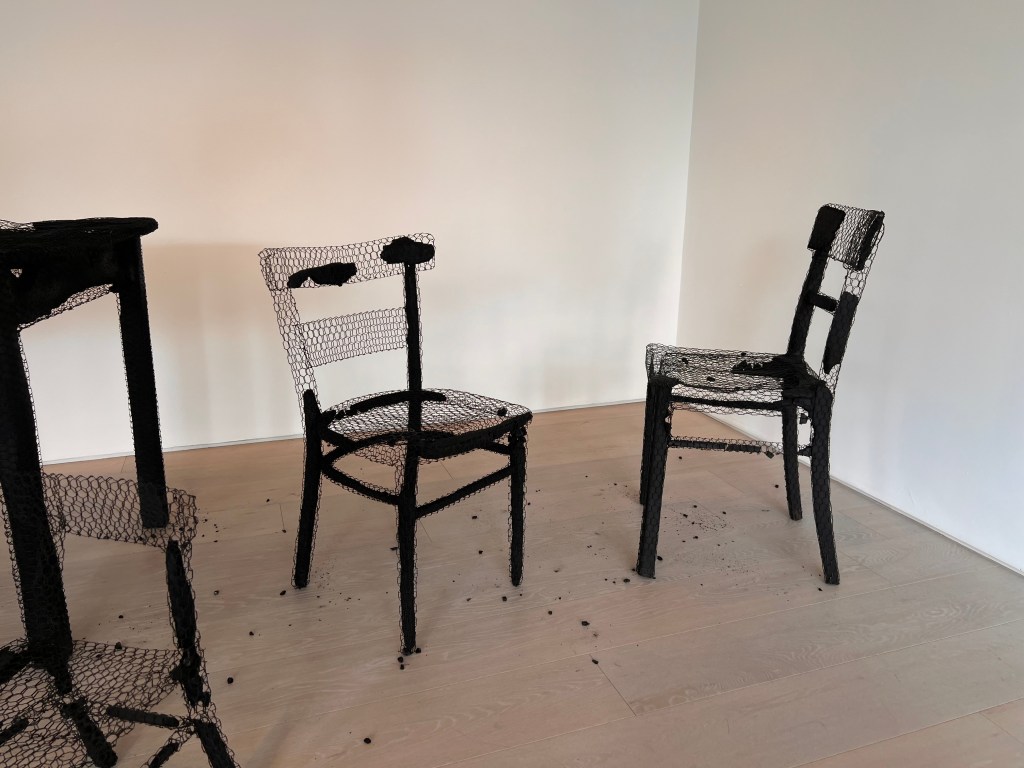
Remains of the Day, 2016–18
Wire mesh and wood
This installation looks like the ruins of a home that has been suddenly destroyed. The wooden furniture is burned and fragile, barely held together with wire mesh, as if it could fall apart at any moment. The scene feels like walking into the remains of a bombing – tables, chairs, and toys left behind in pieces.
The work was first made for Hatoum’s exhibition after receiving the Hiroshima Art Prize, and it recalls the devastation caused by the atom bomb. But Hatoum also describes it as a reminder of the aftermath of war, violence, or even environmental disasters happening across the world today. For me, standing in front of it, the connection to Gaza felt immediate – homes reduced to rubble.
Mona Hatoum
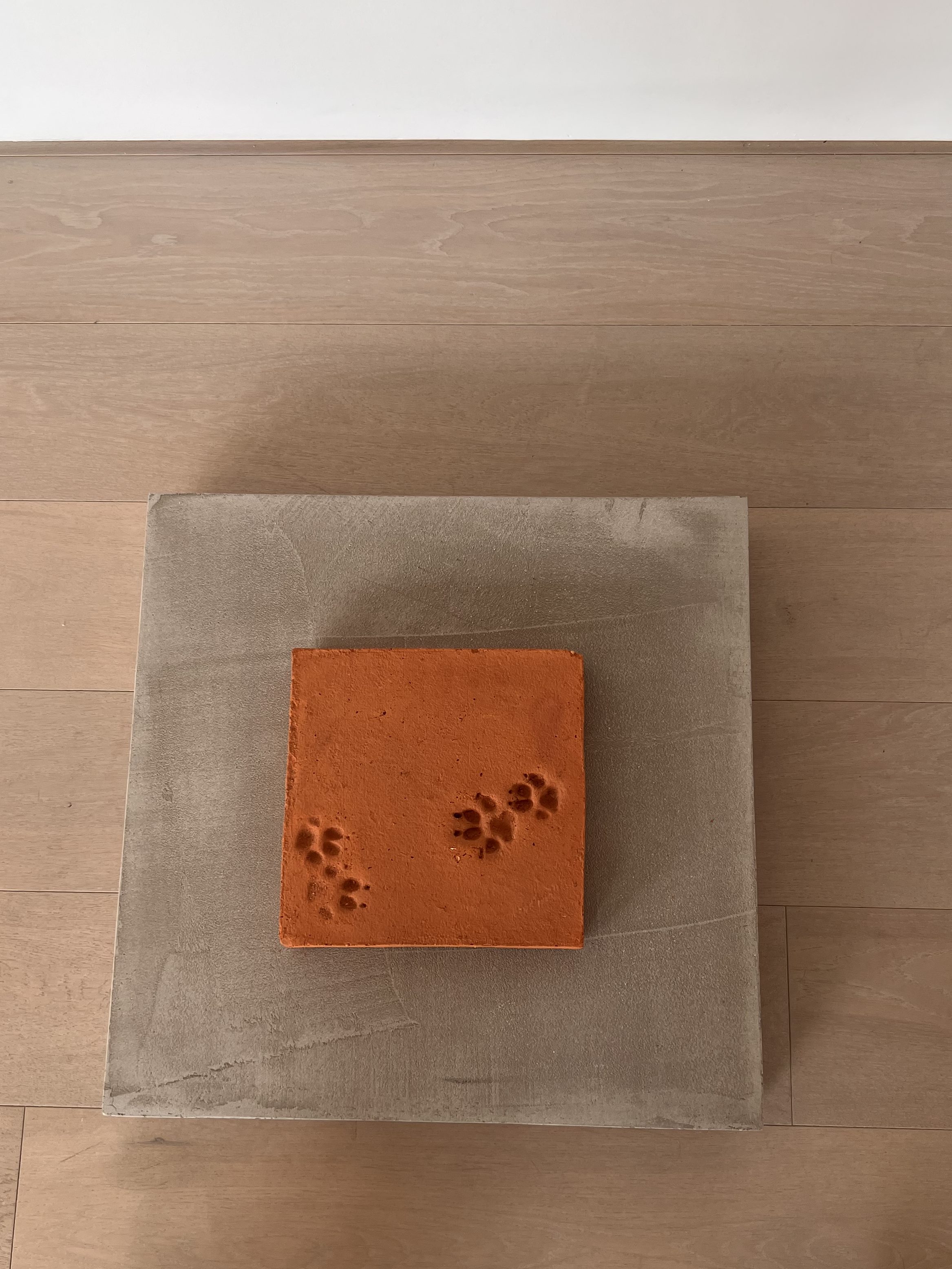
Terracotta Tile, 2003
Terracotta
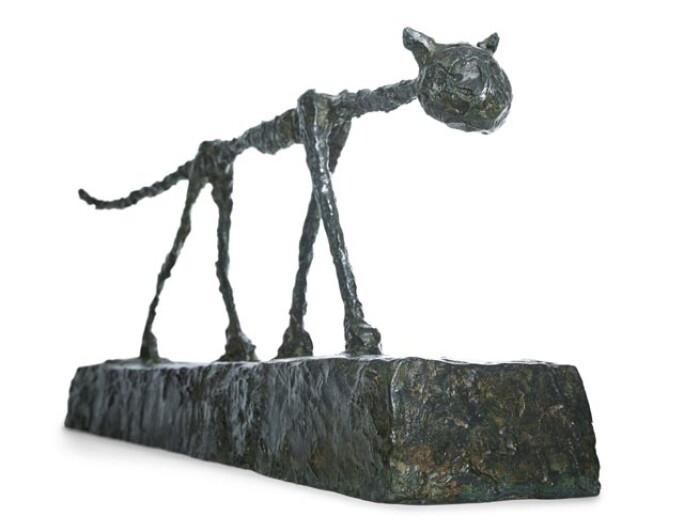
This single terracotta tile sits on the floor, imprinted with a dog’s paw prints. It’s simple, yet it leaves a strong impression, though the dog is not there, but its presence through the traces is left behind. Like Giacometti’s. The Cat, which holds the essence of an animal in a minimal, almost ghostly way, Hatoum’s tile evokes life through absence, of what once was and is no longer there.
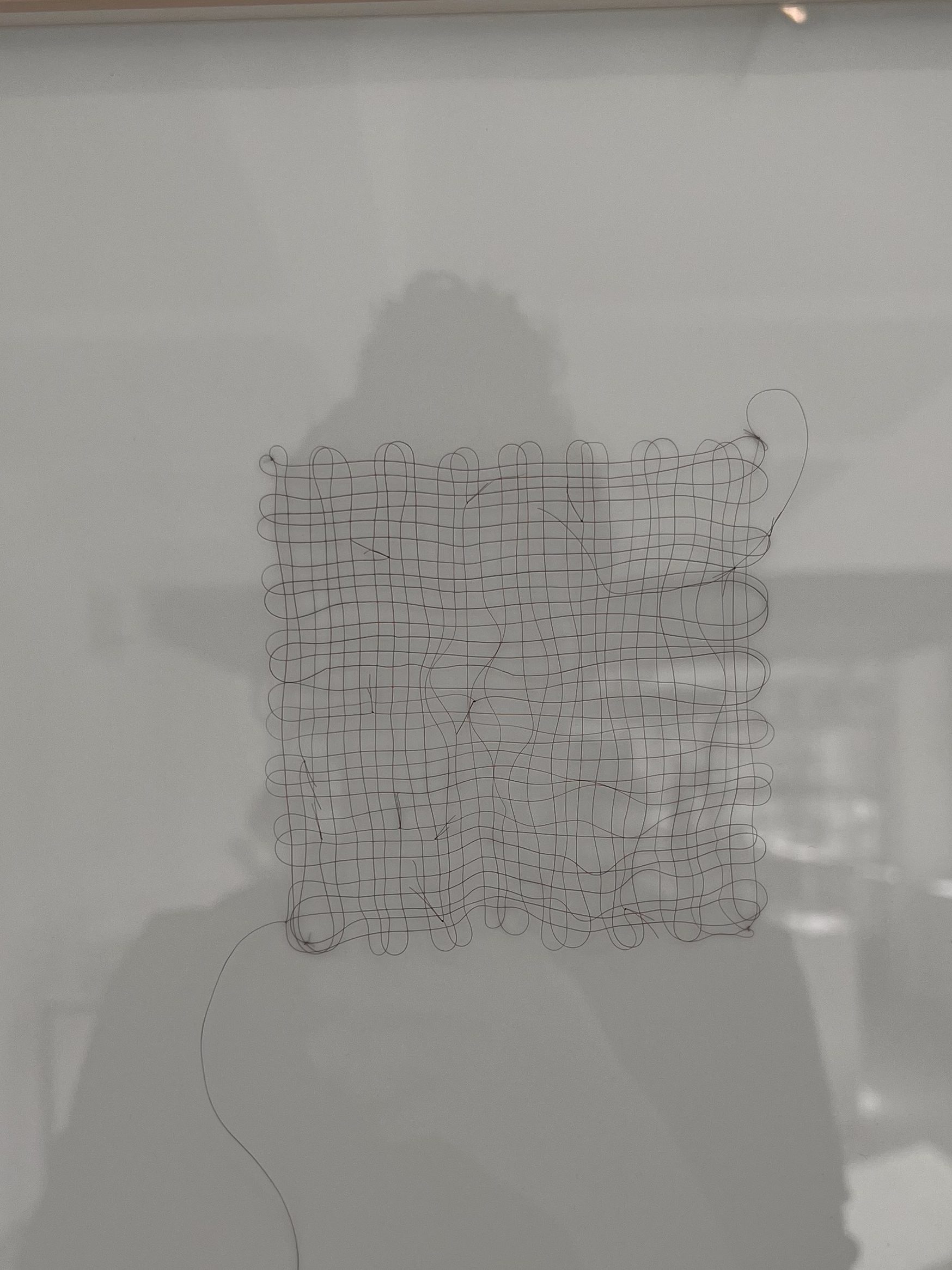
Untitled (grey hair grid with knots), 2001Human hair, hairspray and cardboard
Untitled (hair grid with knots), 2001Human hair, hairspray and tracing paper
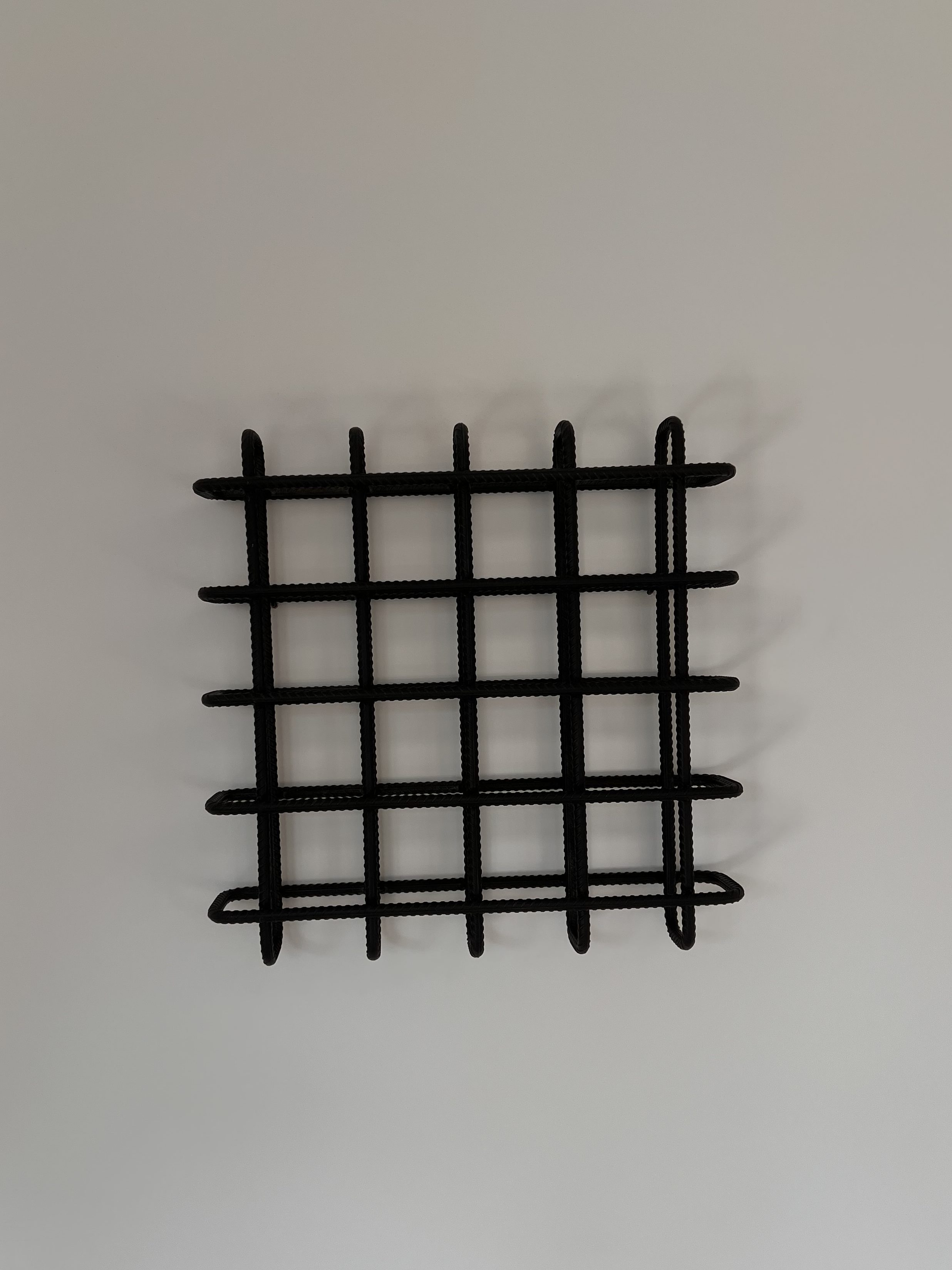
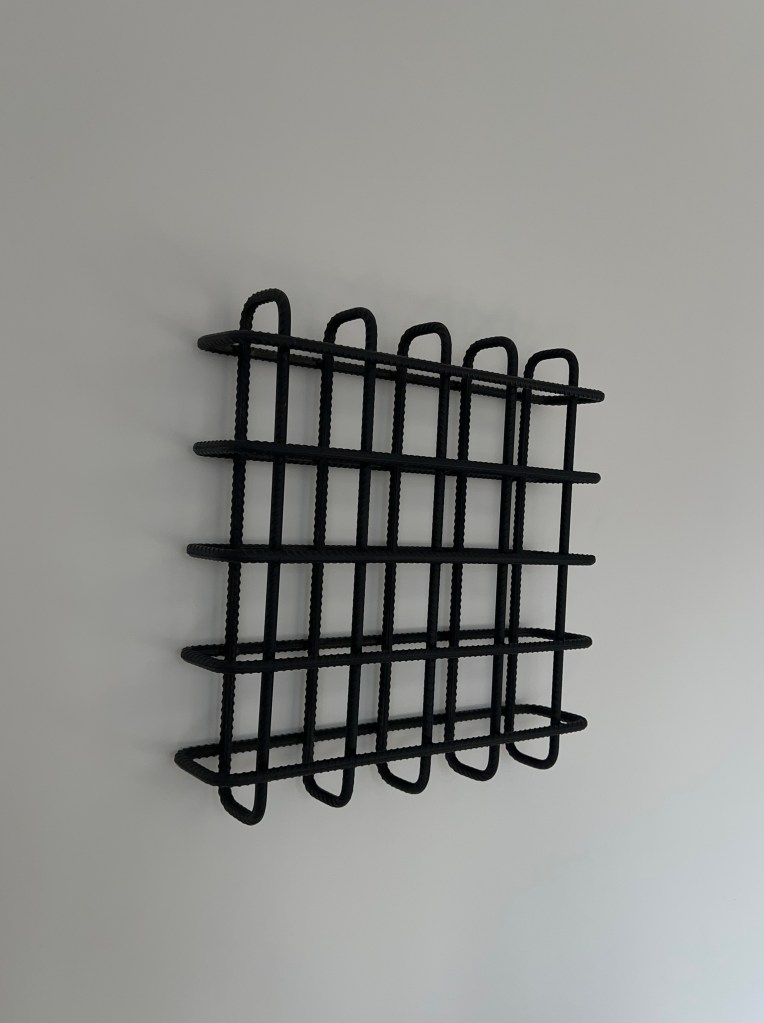
All three works deal with the grid, but they approach it in very different ways. Mirror is made of rigid steel bars and looks more like a cage than a mirror. Instead of reflecting the viewer, it blocks you, making you think about barriers and limitations. The hair grids are much more fragile and personal. Each strand of hair has been knotted and woven together, which immediately brings in the presence of the body. Hair is intimate, living material, and by turning it into a grid, Hatoum changes something usually impersonal into something organic and human.
Mona Hatoum
Beirut (major), 2022
Tracing paper
This hand-drawn map of Beirut on translucent tracing paper shows burnt-out rectangles marking the destruction caused by the 2020 port explosion. The fragility of the paper and the delicate, lace-like patterns highlight both loss and violence. While the map depicts Beirut, it also evokes larger ideas about war and destruction happening across the world today. When I look at it, I think about Palestine and Gaza, where genocide and constant bombing are normalised and constantly being justified. The map’s absences reflect not only physical destruction but also the ways governments and systems erase or hide violence, leaving people to suffer silently. Hatoum’s work reminds us that these are not natural disasters or accidents – they are caused by humans, and the indifference or silence of the world amplifies the injustice. Through its delicate surface, Beirut (major) speaks about fragility, loss, and the impossibility of ignoring the pain and destruction that continue across the globe.
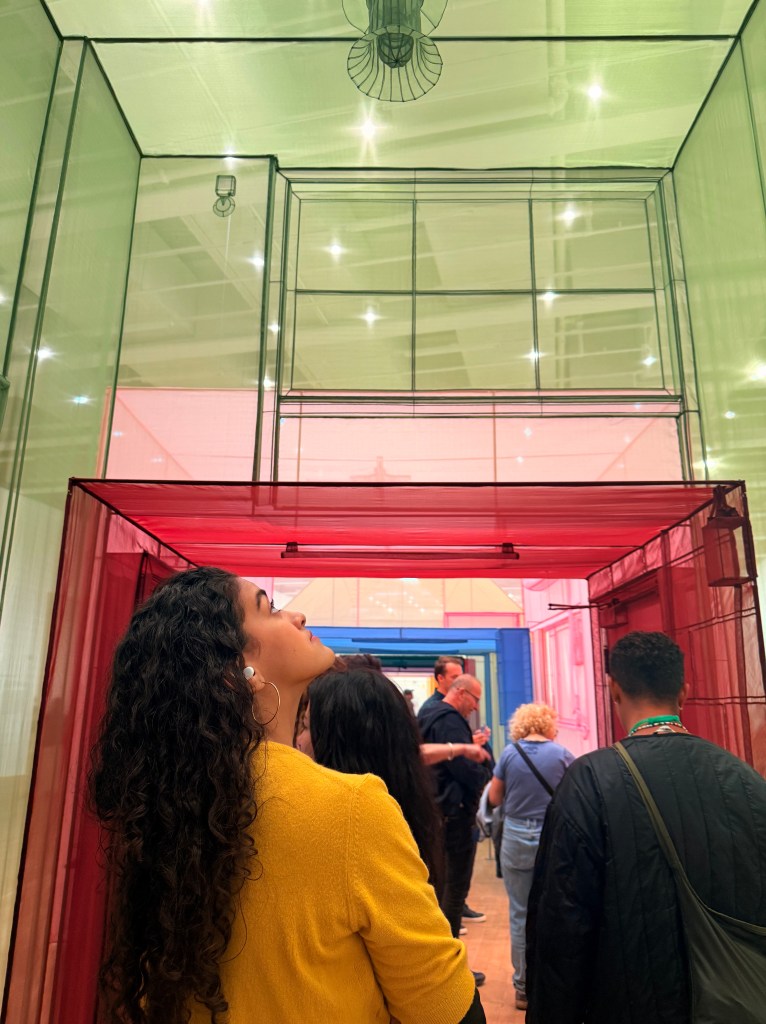
Do Ho Suh: Walk the House
Tate Modern, 2025
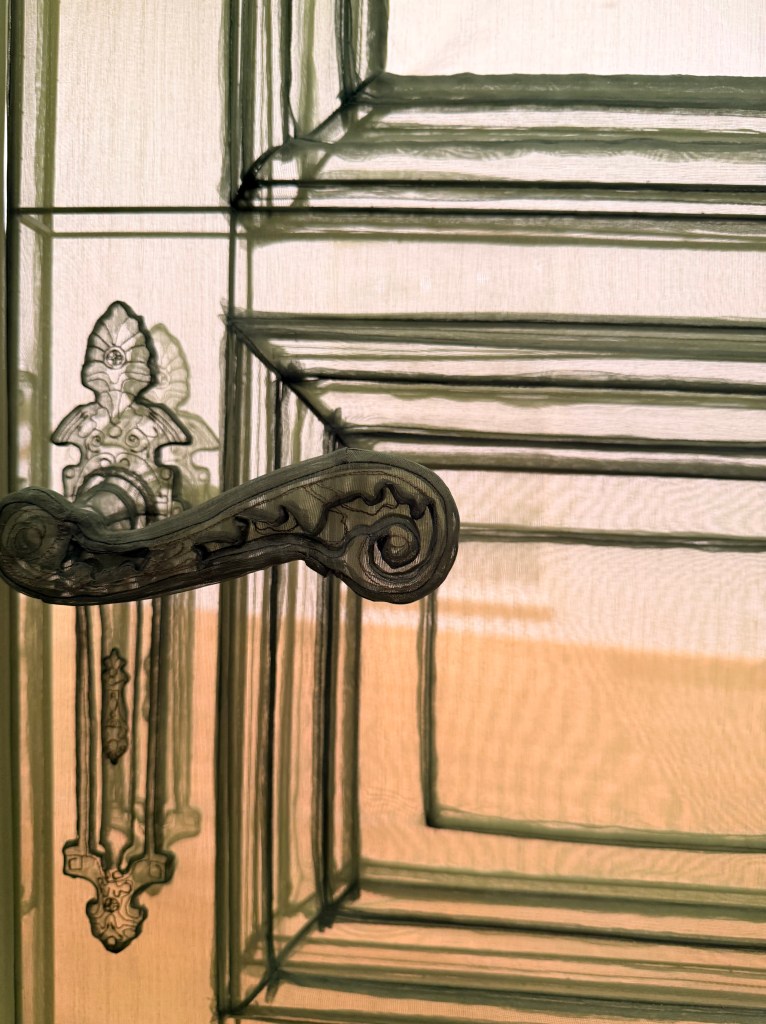
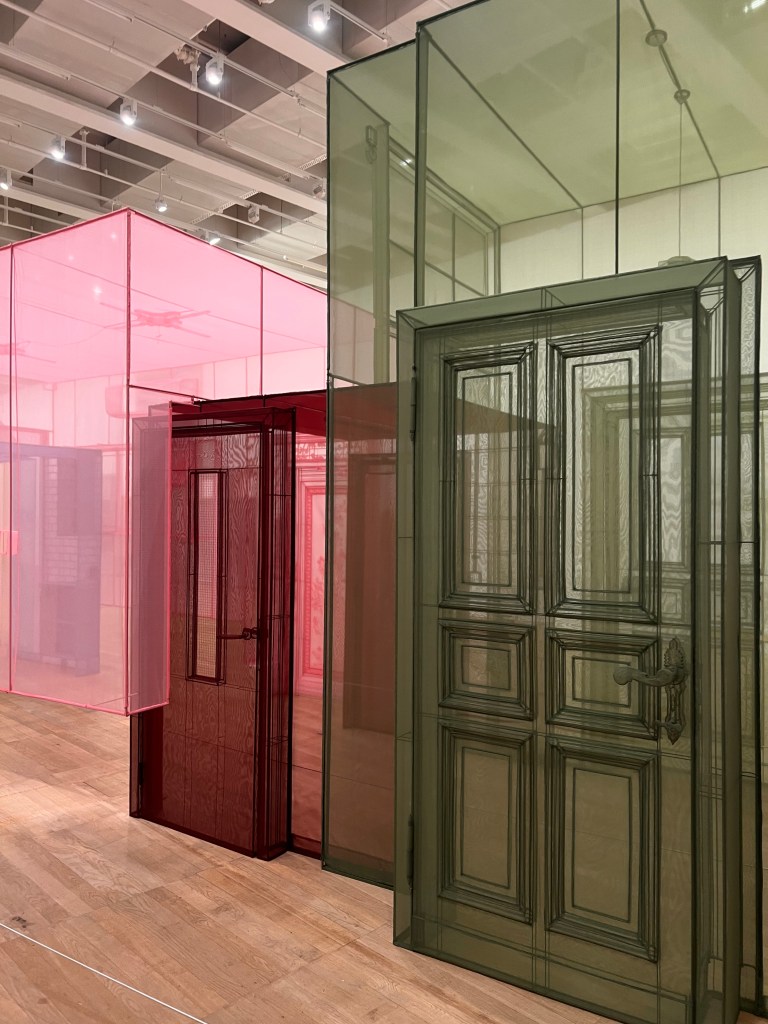
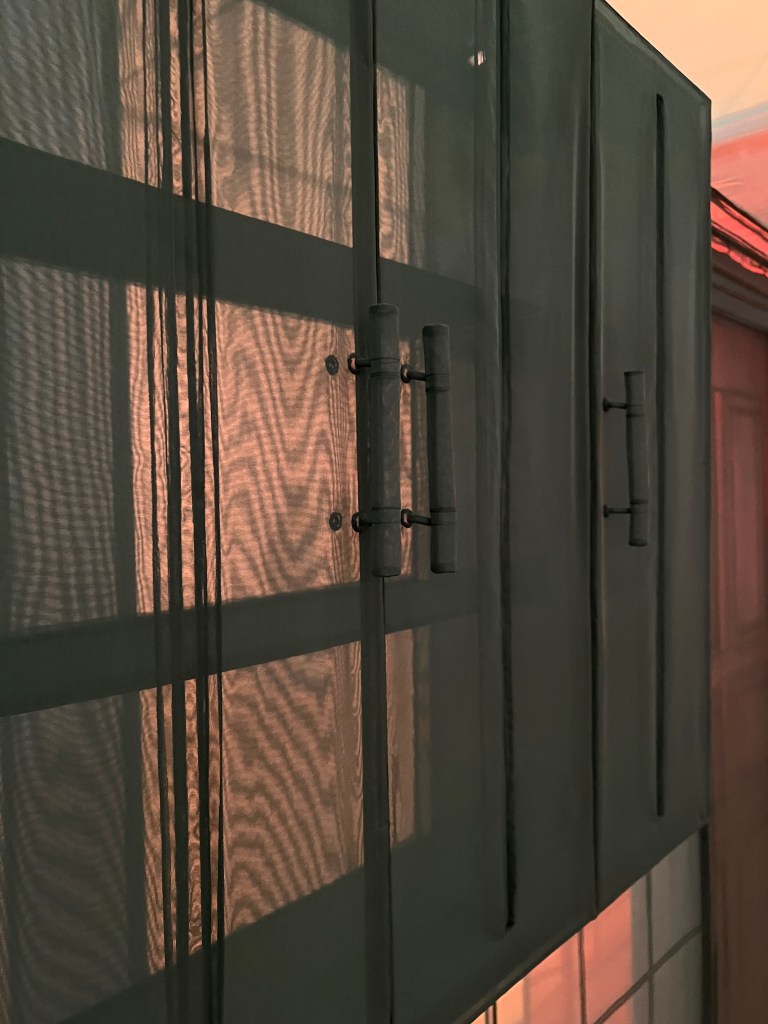
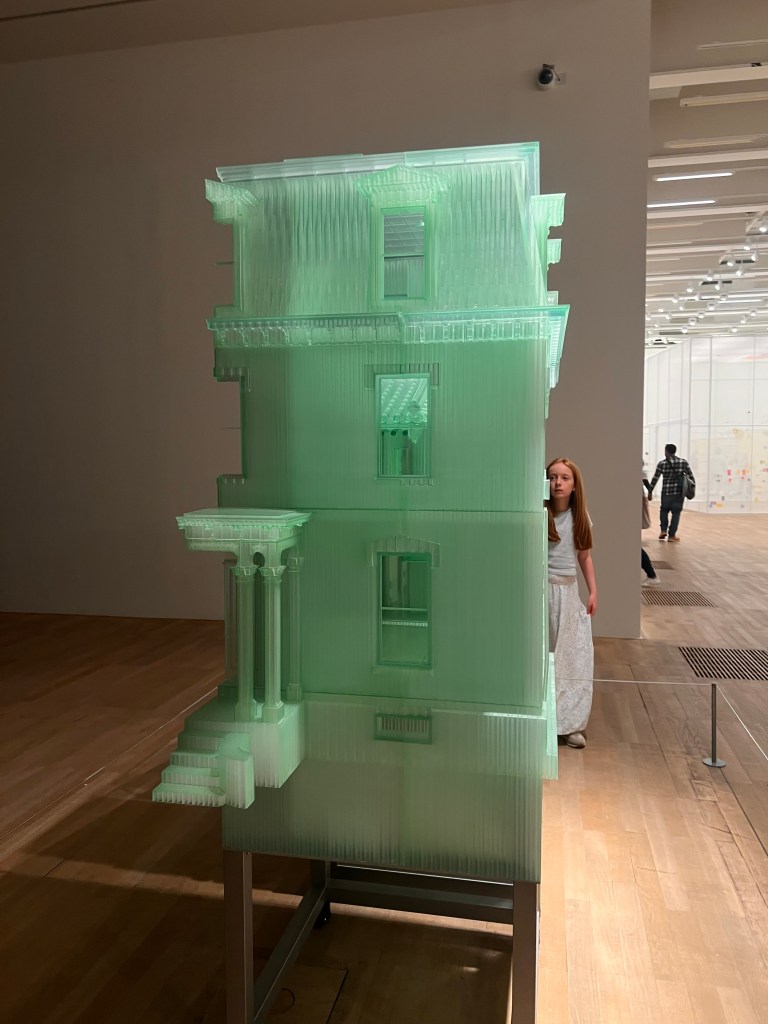
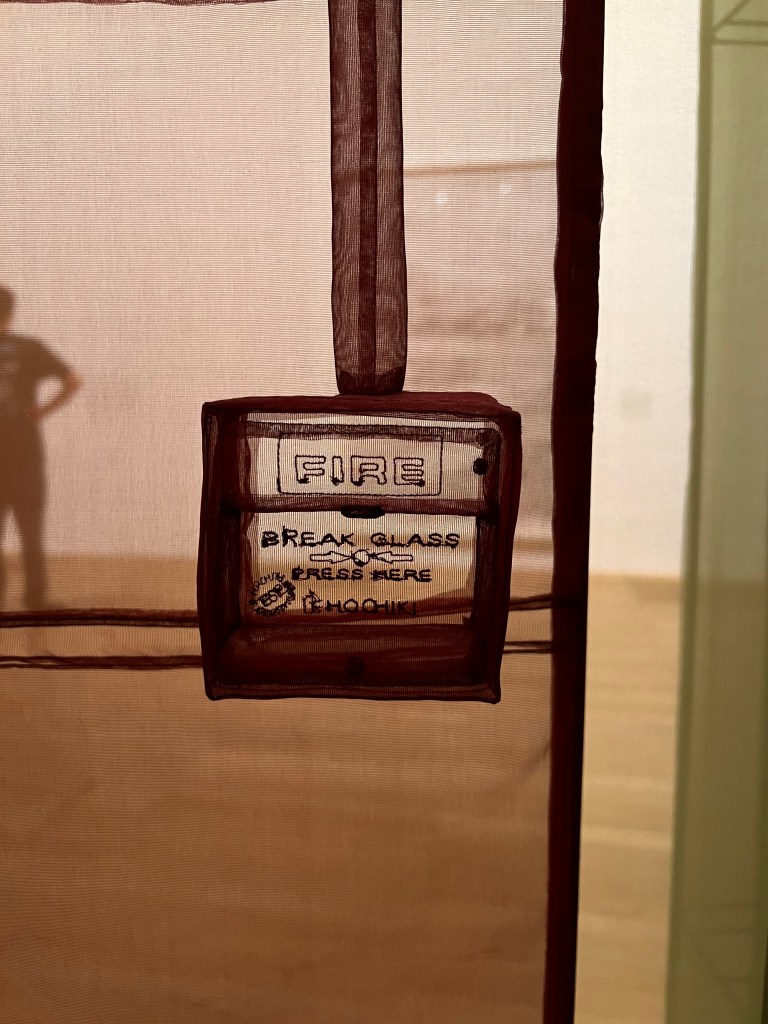
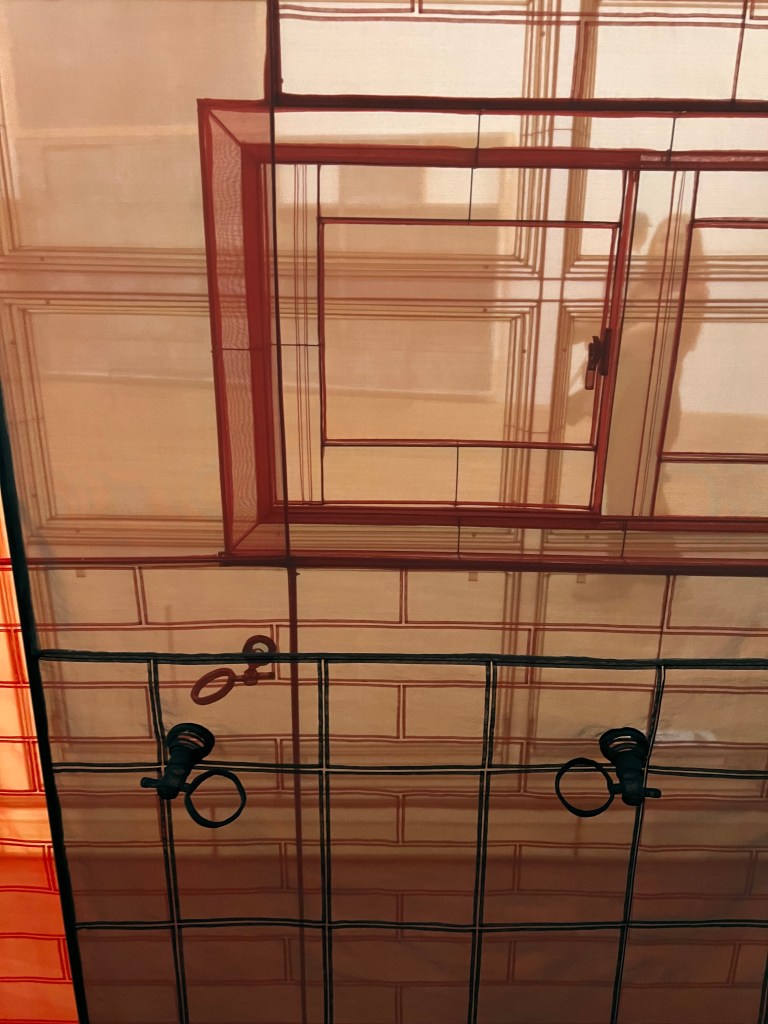
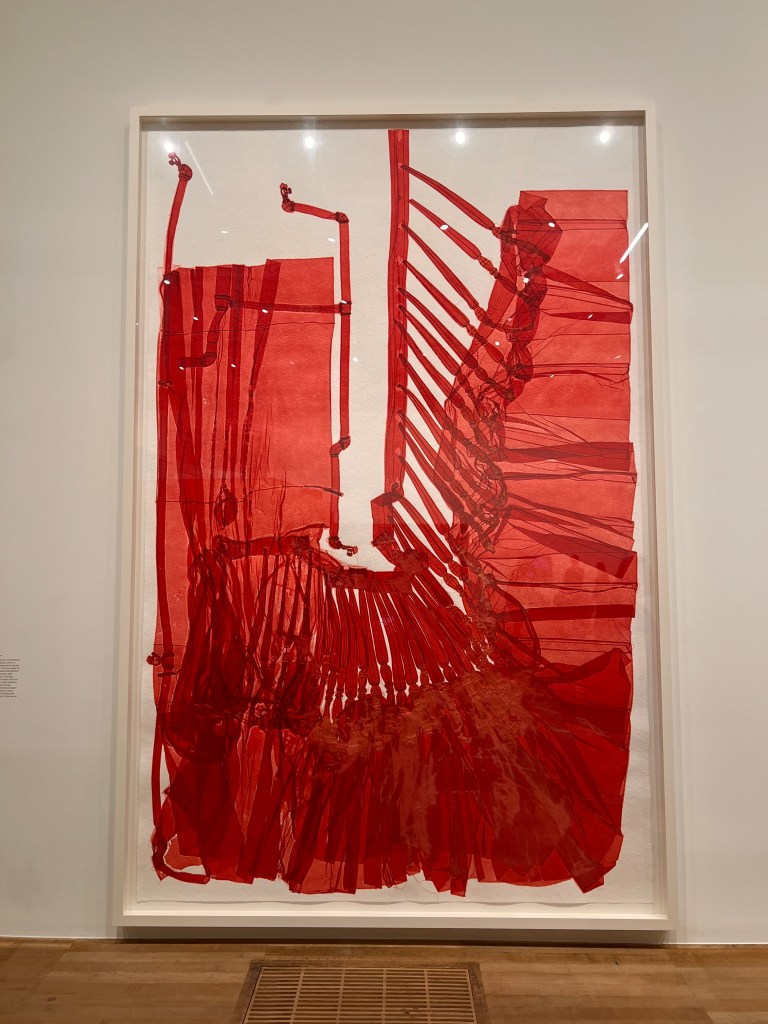
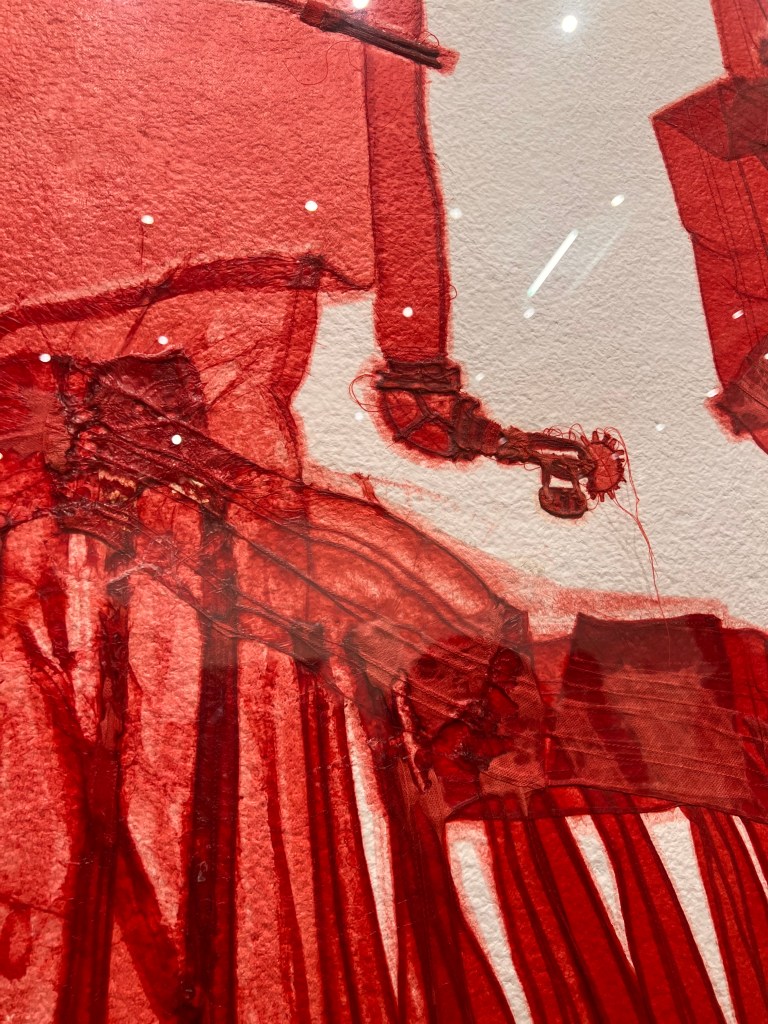
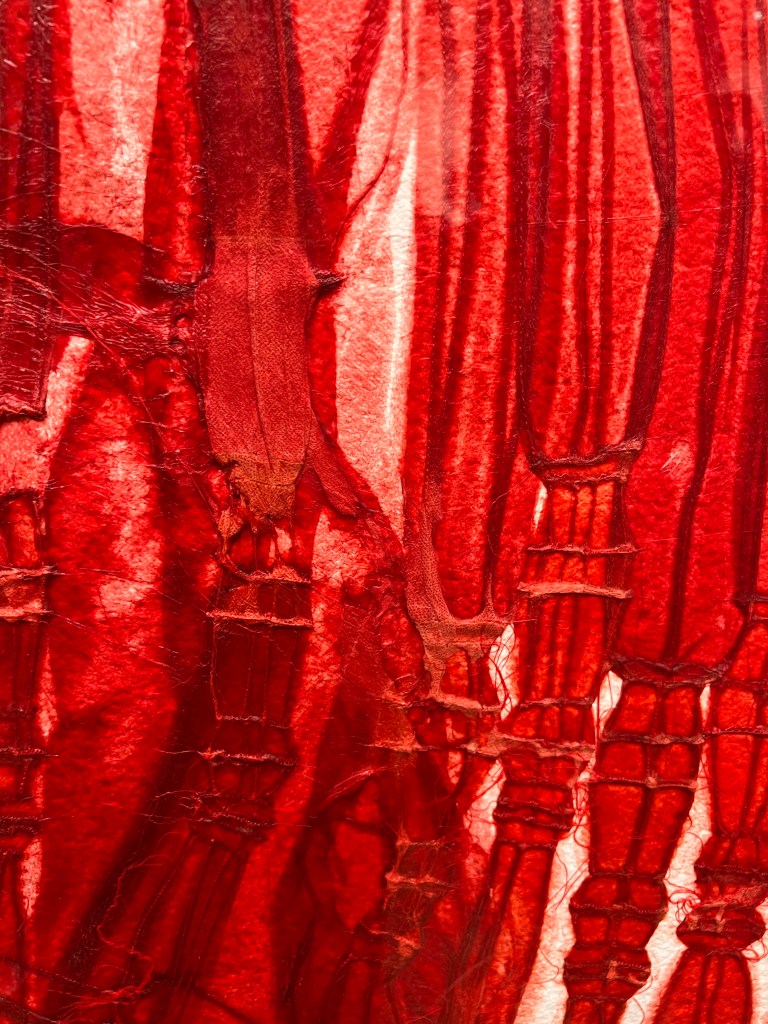
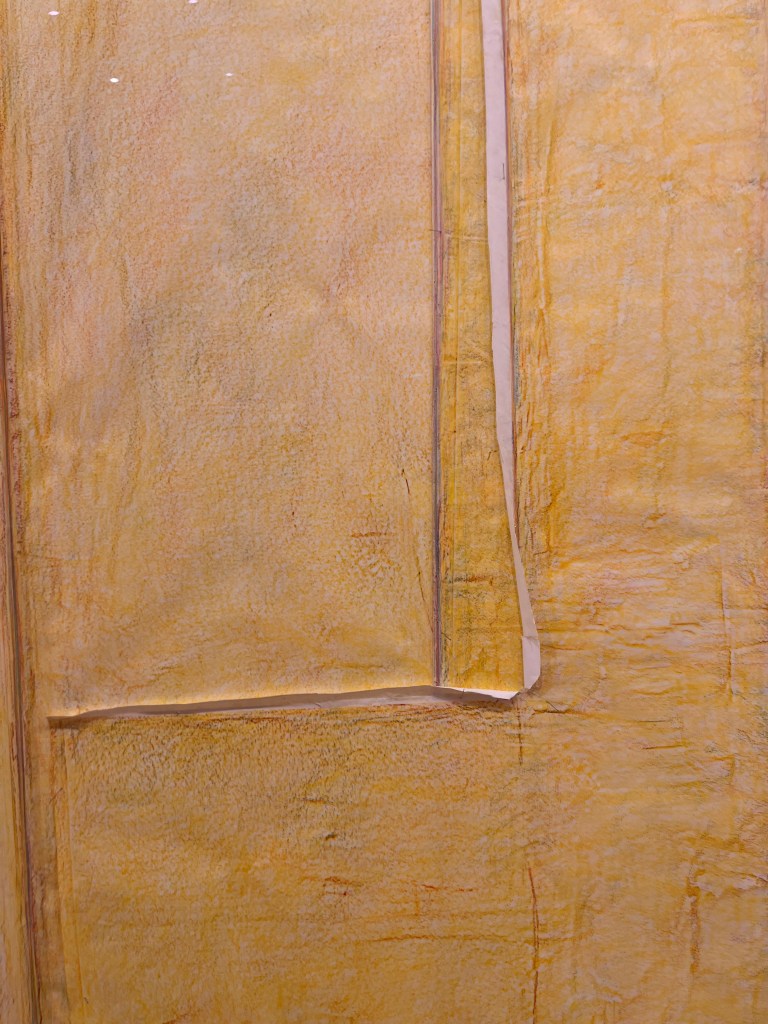
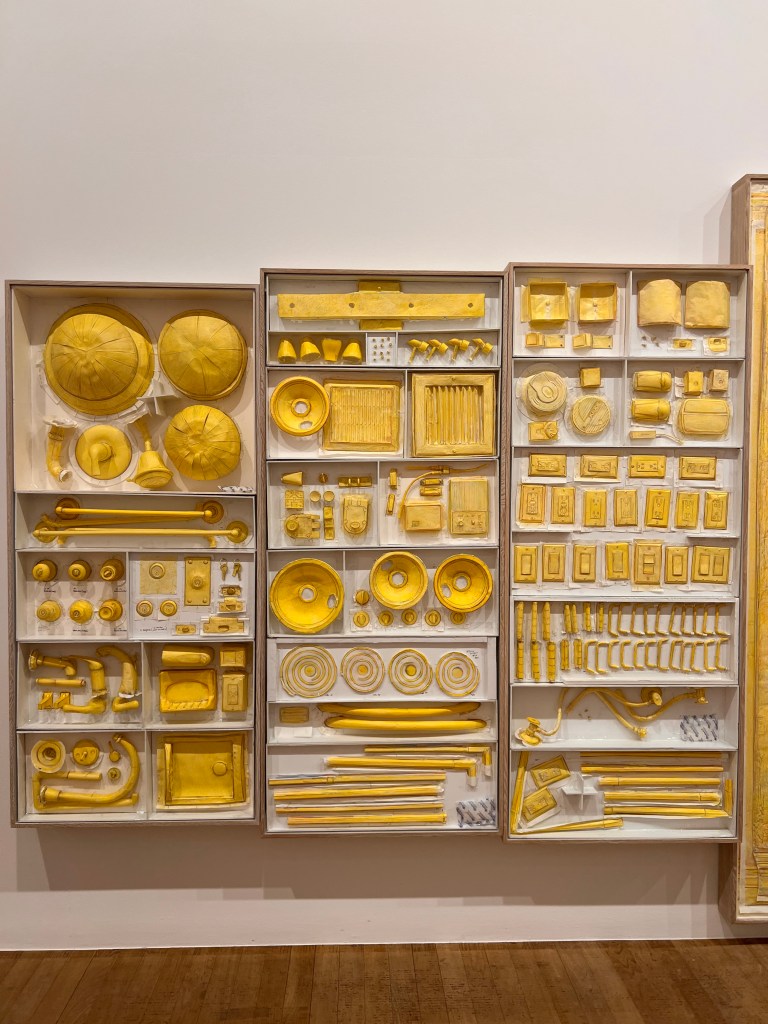
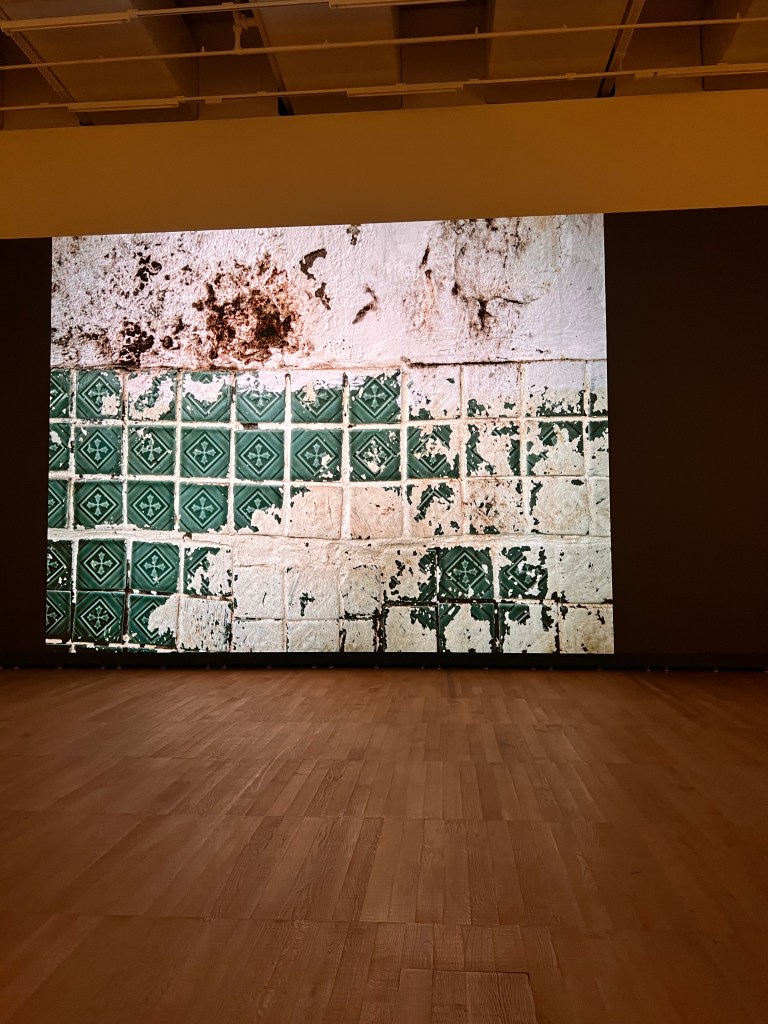
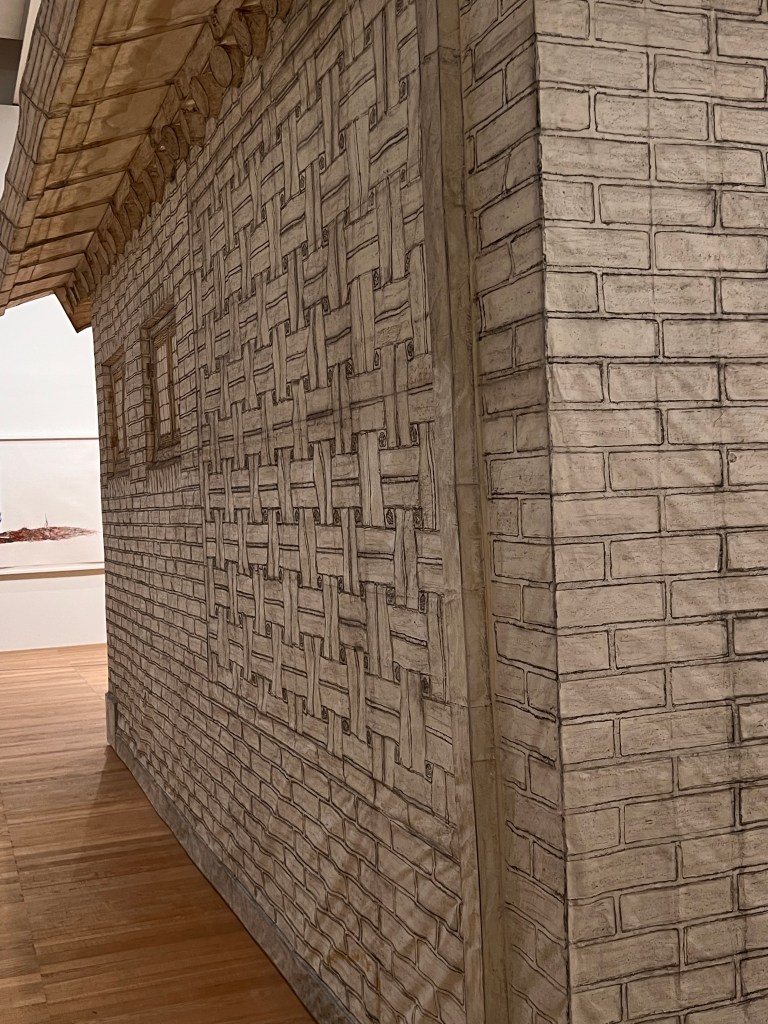
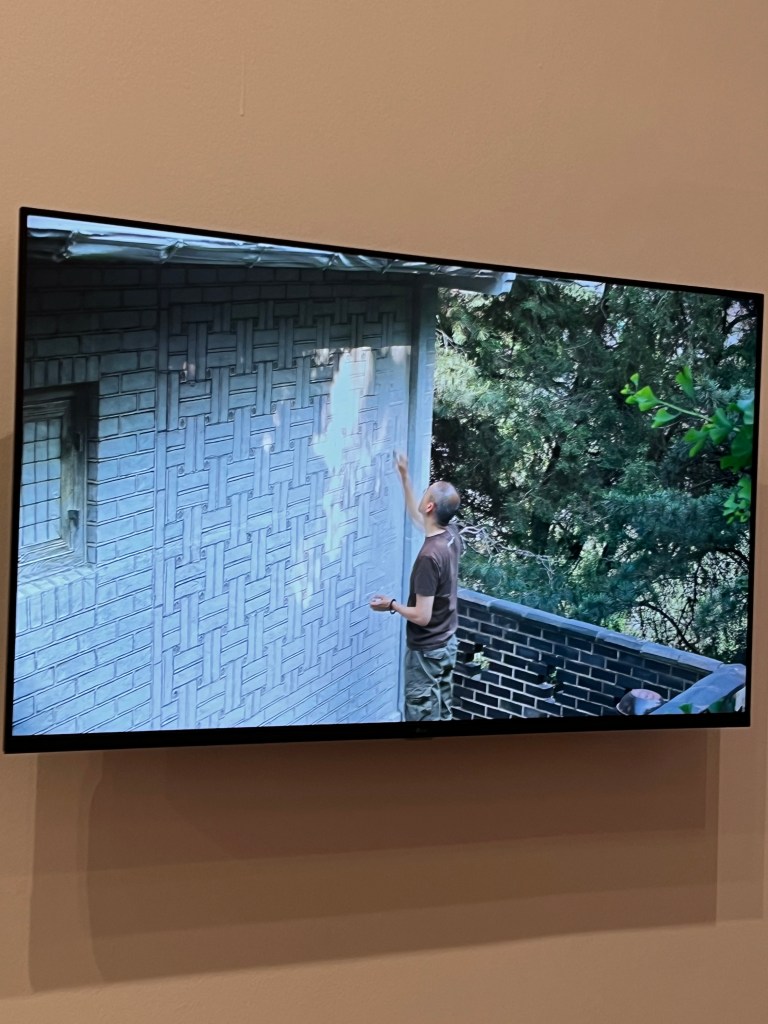
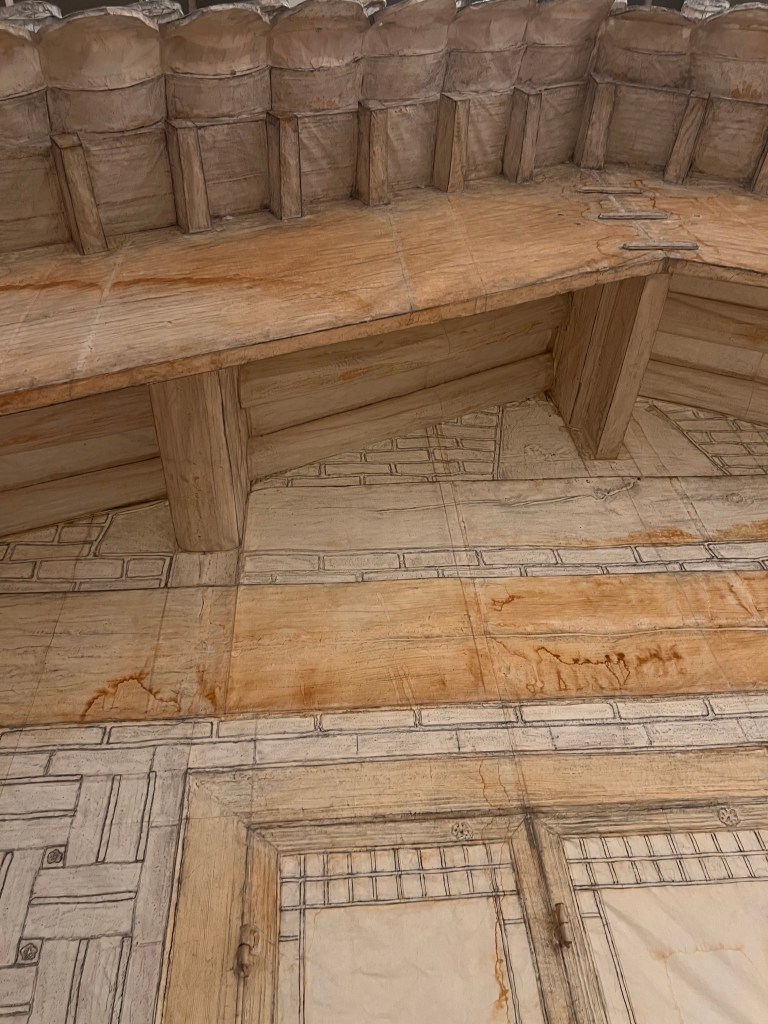
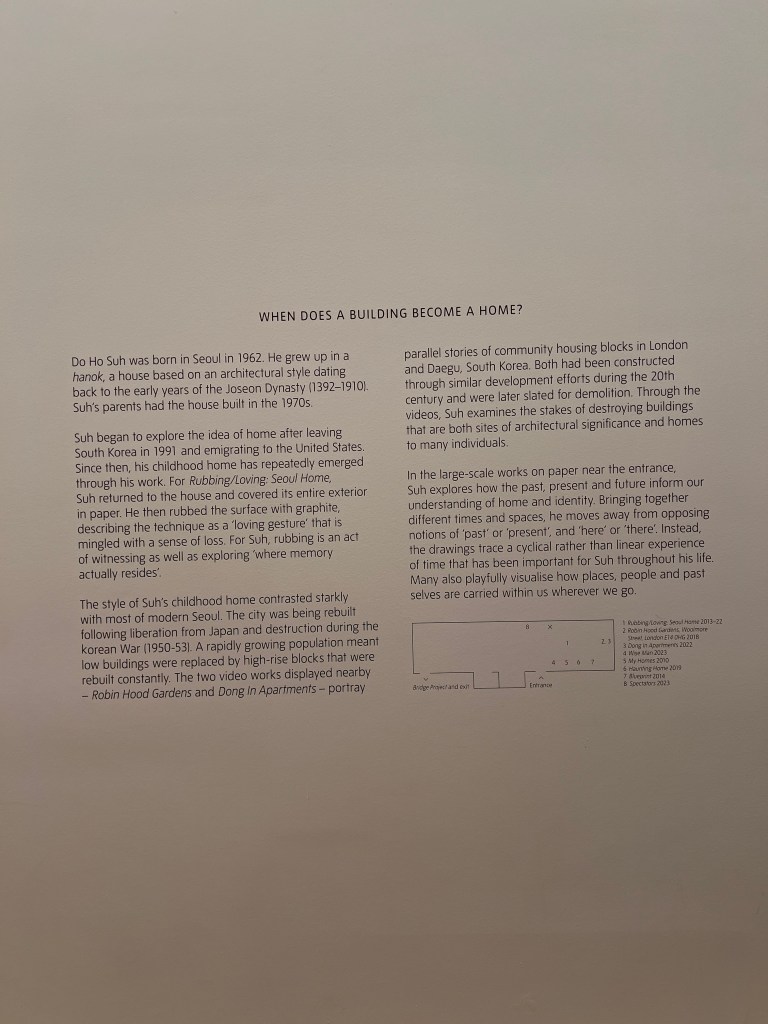
Do Ho Suh is a Korean-born artist known for exploring home, memory, and identity. His work often reflects on the emotional and cultural significance of domestic spaces, questioning ideas of belonging and displacement. Using meticulous craftsmanship, Suh creates life-sized replicas of his past residences in translucent fabrics, inviting viewers to step into his personal history while thinking about their own connections to place.
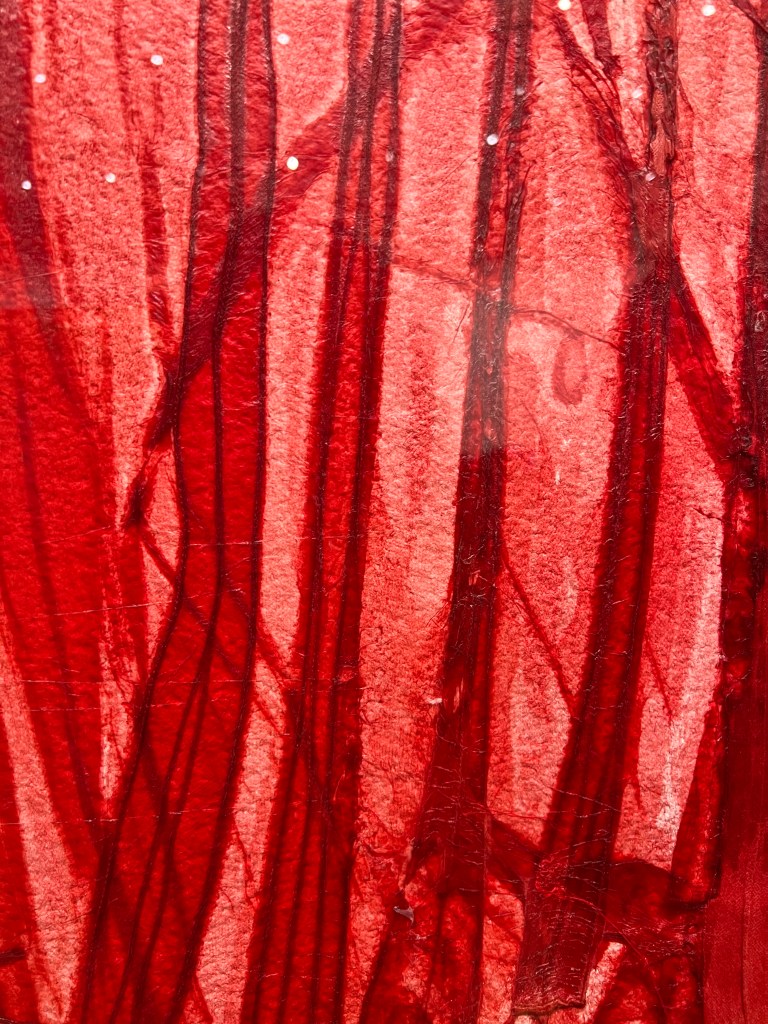
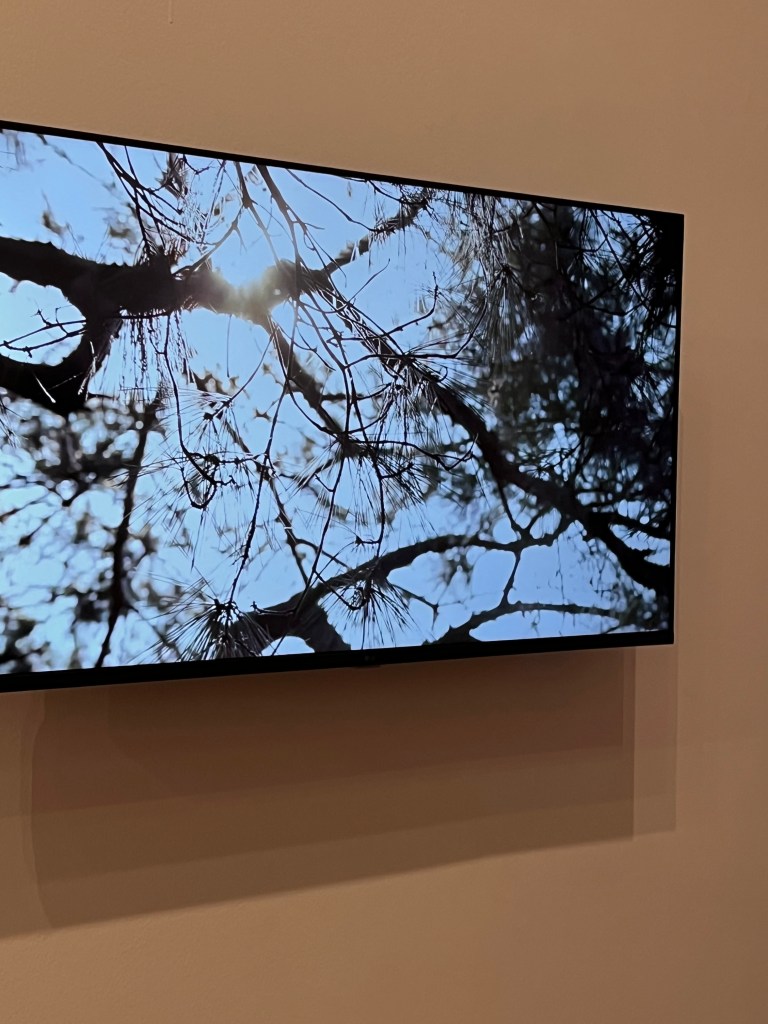
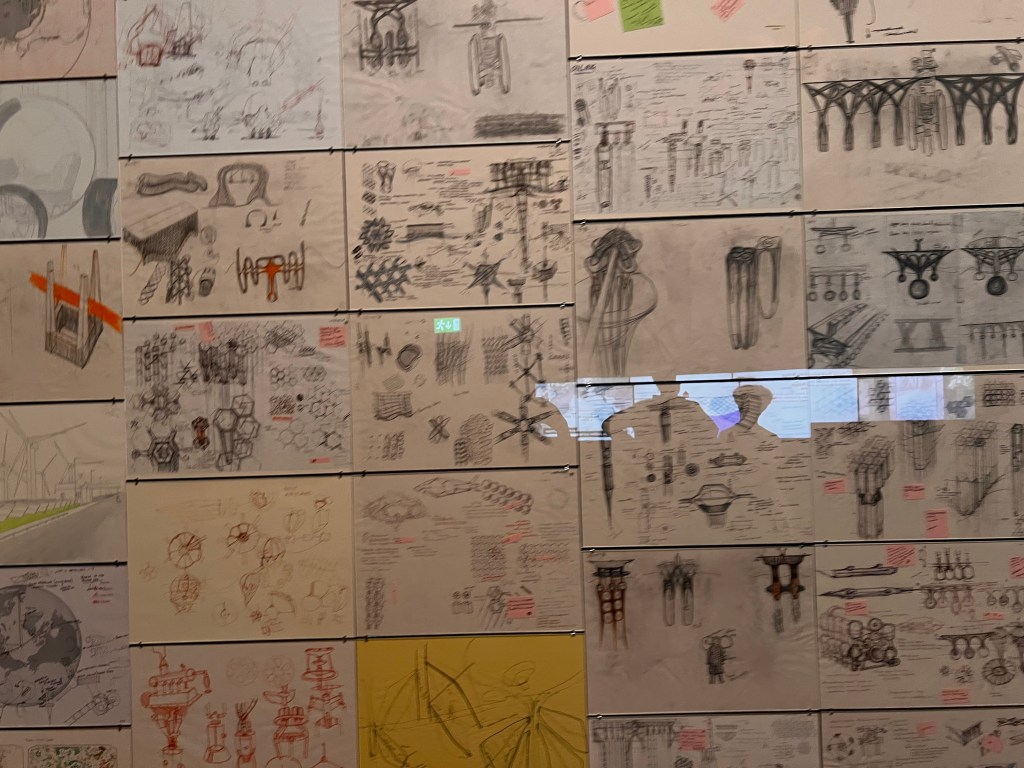
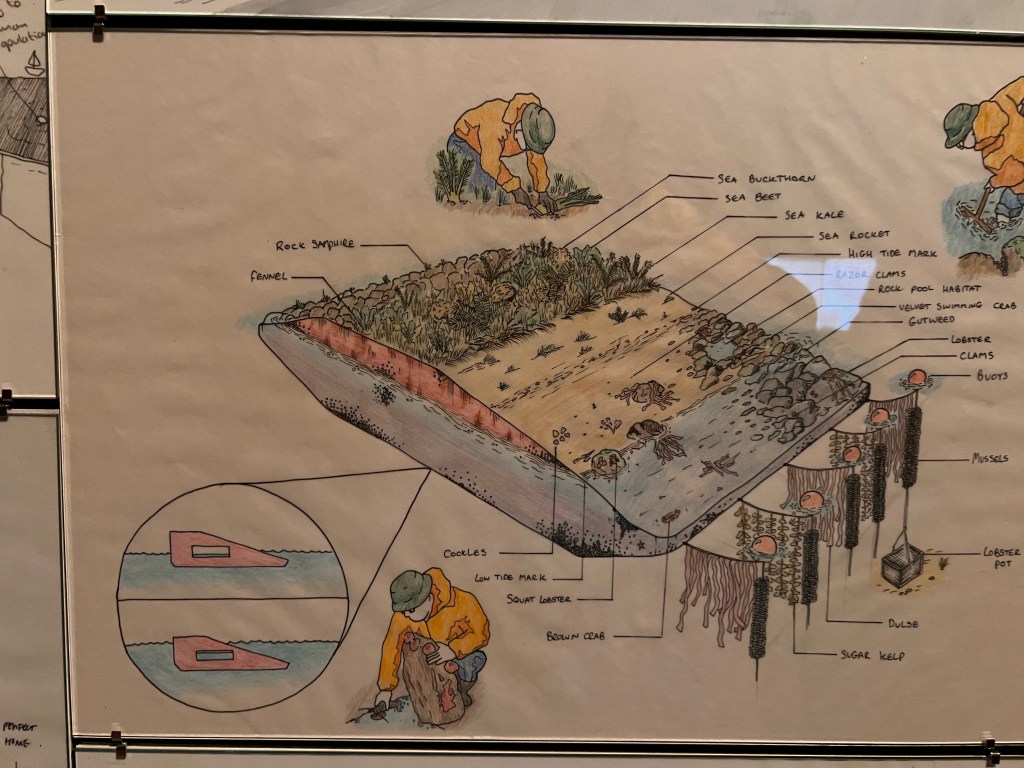
The exhibition I visited at Tate Modern in 2025 presents a survey of Suh’s work across three cities: Seoul, New York, and London –places he has lived and traveled between. The installations include large-scale houses made from colorful threads, alongside drawings, videos, and animations. What struck me most was the precision and care in these works: they are perfect, yet feel unreal, almost animated, with a childlike, playful quality. Even the sculptures, while tangible, seem to exist in another world.
Overall, the exhibition was mesmerizing. Suh’s ability to combine imagination, technical skill, and a sense of memory makes his work feel alive and transportive, creating a unique experience of space, identity, and home.
Giuseppe Penone: Thoughts in the Roots
Kensington GardensSerpentine South Gallery3 April – 7 September 2025
Giuseppe Penone is an Italian artist whose work spans sculpture, installation, and site-specific projects. He is known for exploring the relationship between nature and human perception, often using organic materials like wood, leaves, and stone. His practice combines meticulous craftsmanship with a sensitivity to natural processes, creating works that feel both alive and carefully constructed.
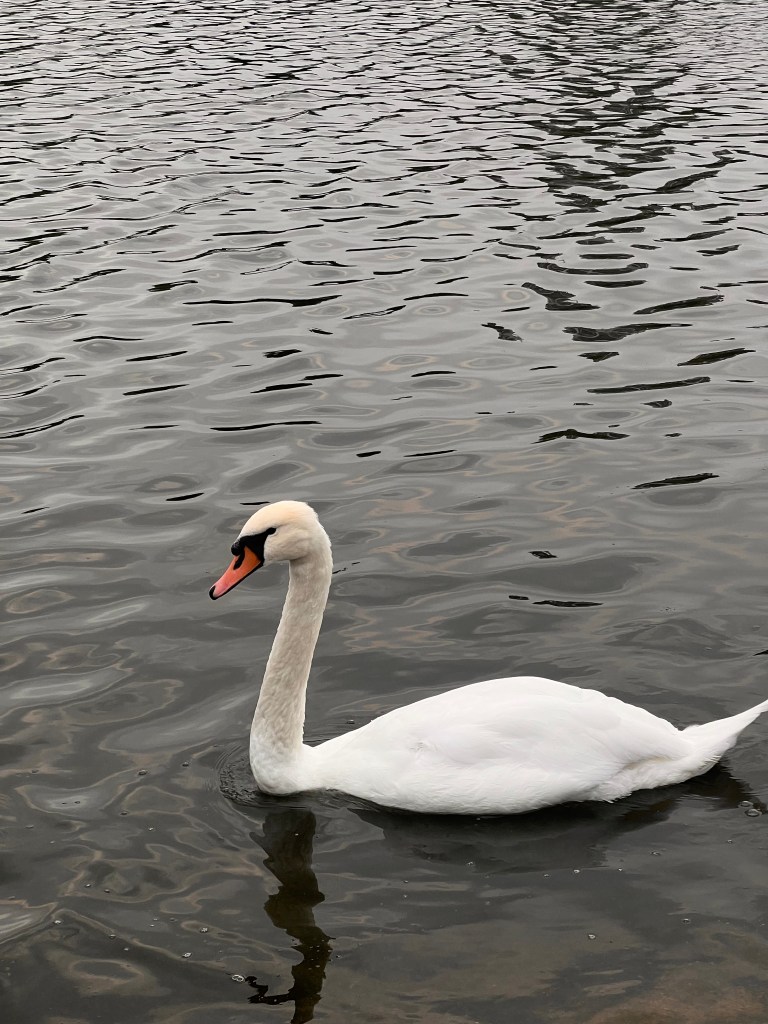
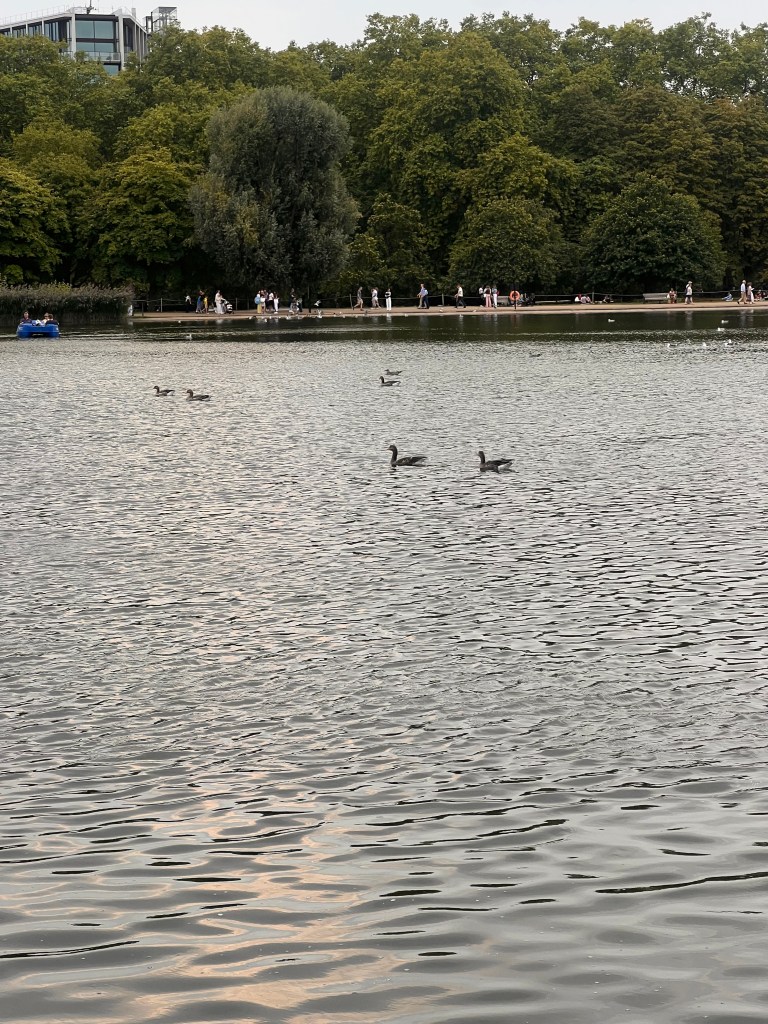
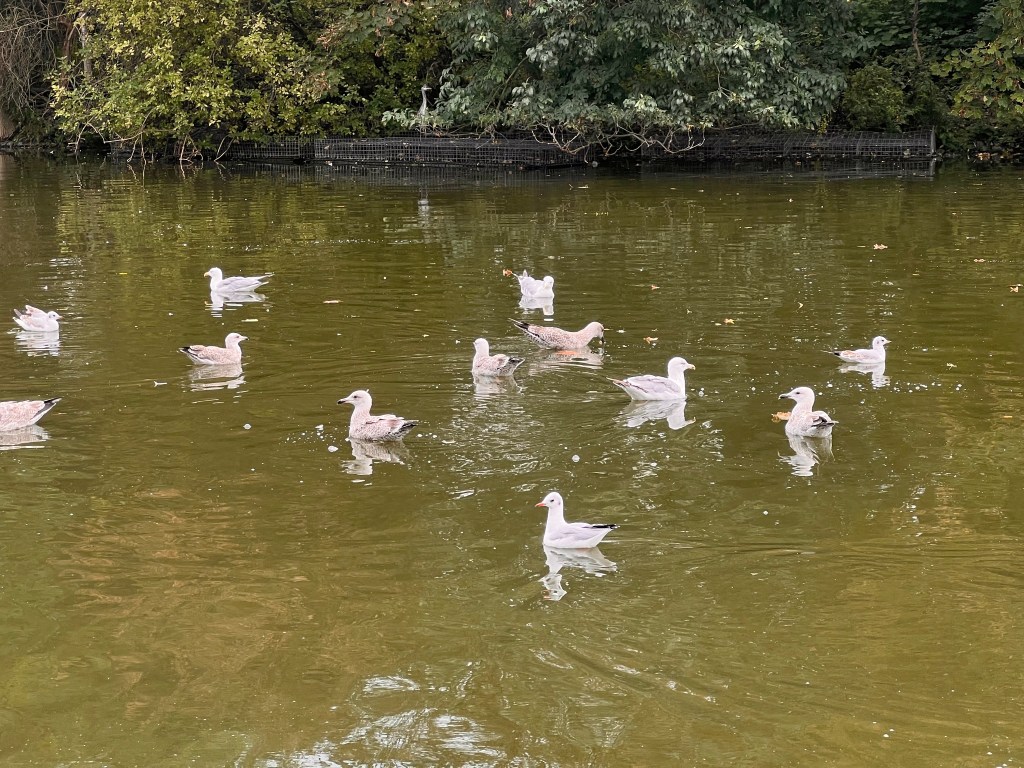
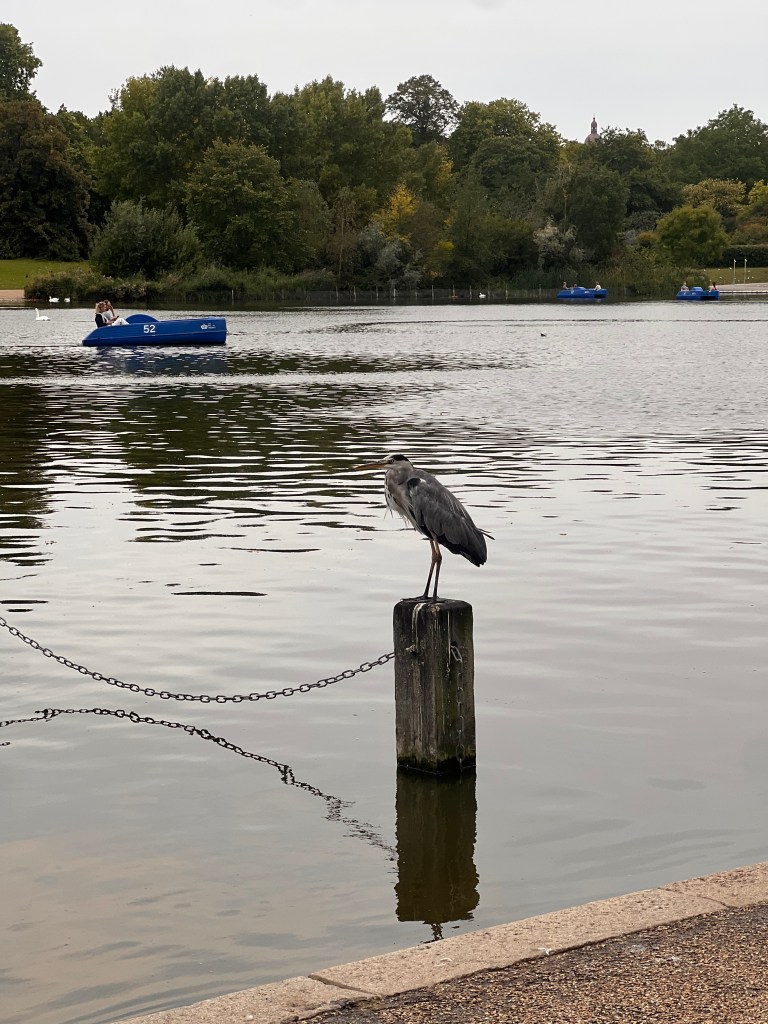
When I was going to Giuseppe Penone’s exhibition at the Serpentine on Sunday, I actually took a wrong turn and ended up on a longer route. It was a nice sunny day, so it turned out to be a really pleasant walk. I went through Hyde Park and loved the scenery along the way – swans gliding on the pond, baby swans, and all the different types of pigeons. It was a simple, peaceful moment before finally reaching the exhibition.
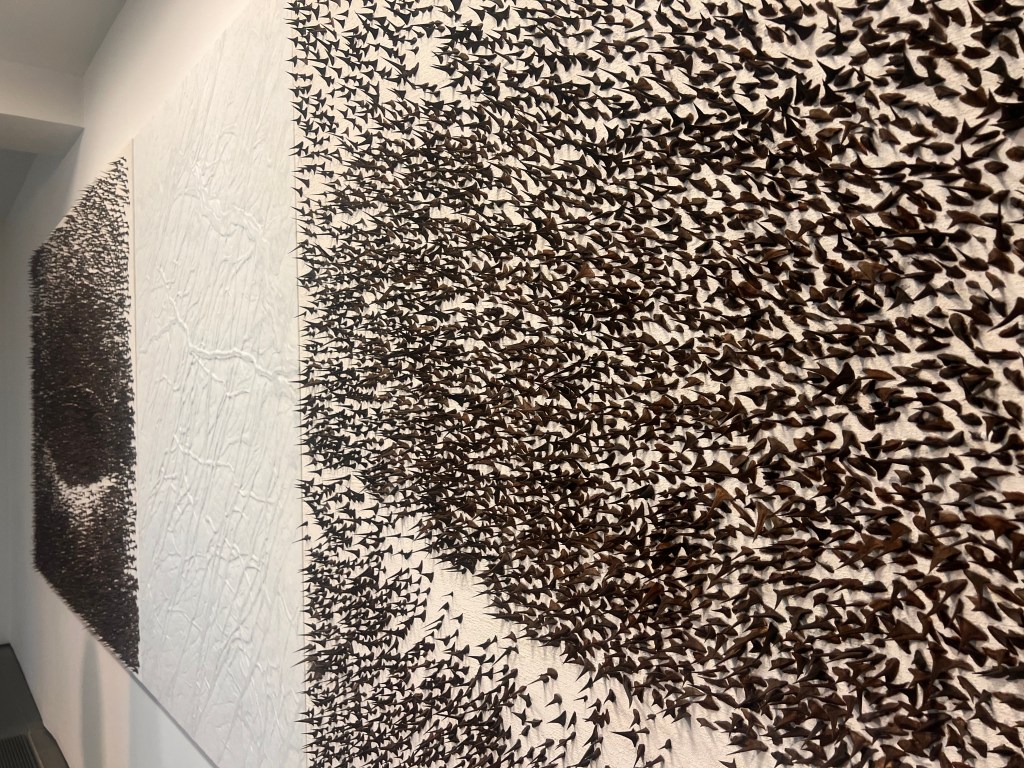
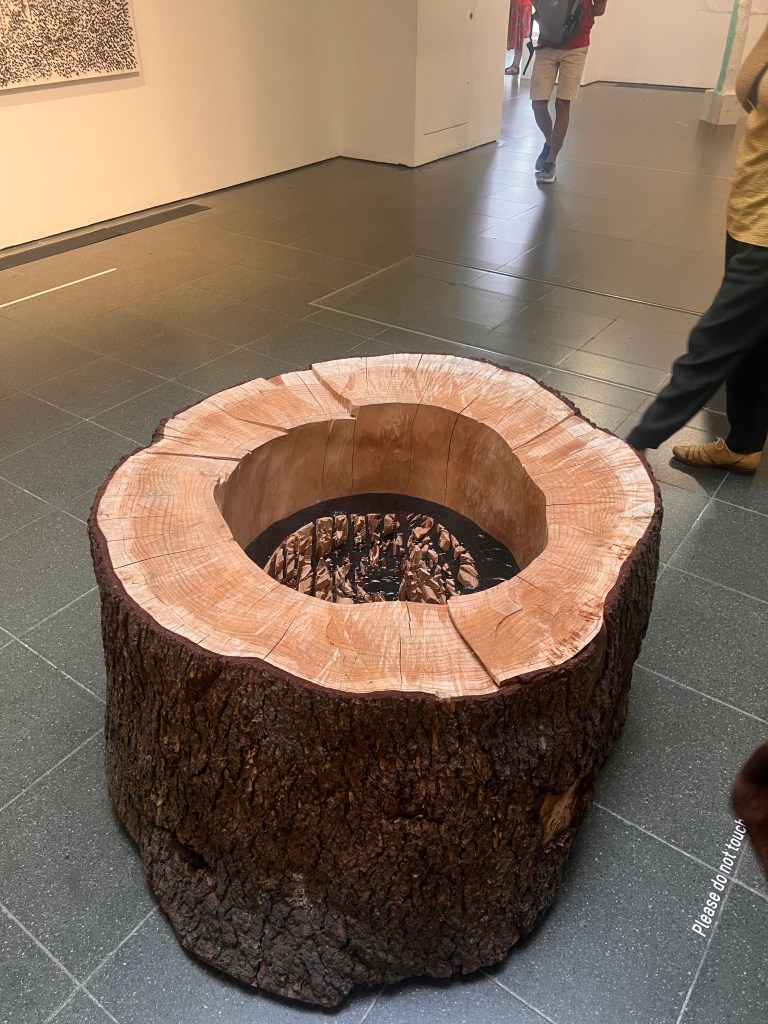
As I entered the exhibition, the first thing I noticed was a half-cut cedar trunk, and the fragrance of the wood was immediately noticeable. Moving into the next room, there were twelve pieces of bark, cut and arranged together on a wooden structure. Each piece was beautifully carved, and the walls around them were covered with leaves, stacked inside metal mesh shells with holes. The combination of texture, smell, and scale made it feel spectacular.
For one night, going to see all these exhibitions was an adventure in itself. I got on a wrong train, which ended up in the complete opposite direction , Southampton. Once there, we encountered a British train staff member who deliberately mislead us. He told us the bus to London was at platform 3, then when we went there another staff member said it was at platform 1 where I was already standing. By the time I got back, the train was about to leave. As I pressed the button to board, he yelled at me from afar. It felt like he was deliberately making it difficult, maybe even being rude or discriminatory. I had to wait another 30 minutes for the next train and finally reached London around 3:30, after leaving Oxford at 11. I only had an hour or two to see the show that day.
I went straight to see Do Ho Suh’s exhibition, which was incredible. The next day, I stayed in London just to see Mona Hatoum and Giuseppe Penone, because it was too late the previous day. It was worth every bit of trouble – seeing these international artists in person is completely different from viewing them online. In Lahore, we rarely get such opportunities, and being able to experience the scale, detail, and presence of these works firsthand made the whole journey unforgettable.
Singing lessons with Ms Aliya Rasheed
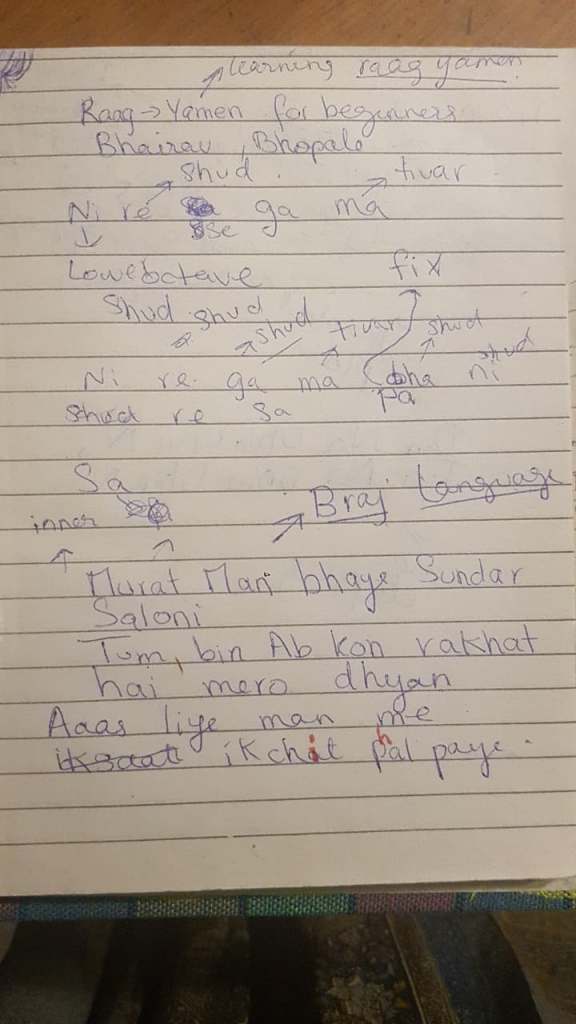
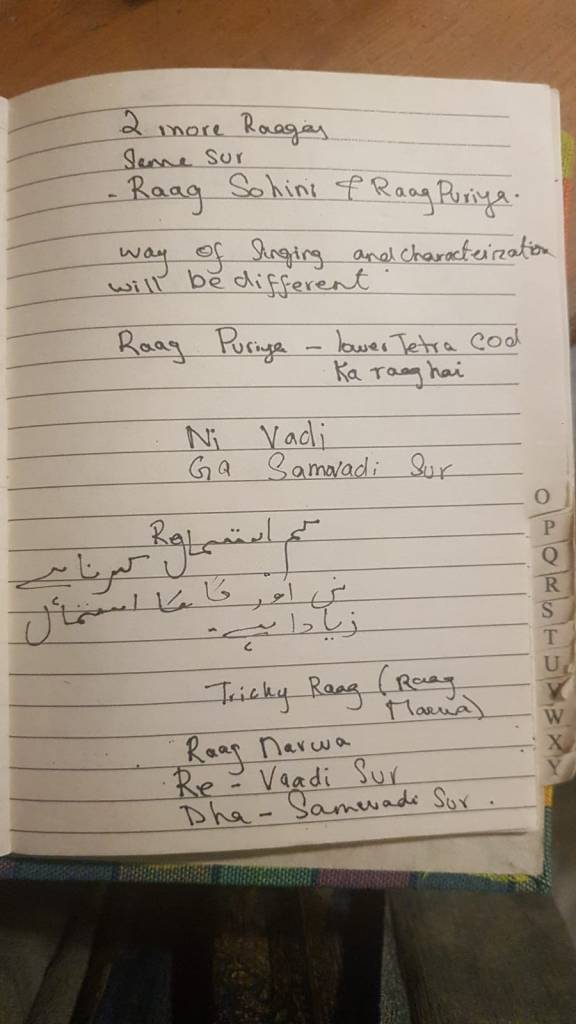
Alia Rashid is a music teacher and educator based in Lahore. She teaches at Sanjan Nagar Public Education Trust School and also offers workshops online and in person. Despite being visually impaired, she has studied extensively under the Gundecha Brothers in India, who themselves were trained in the Dagarvani tradition of Dhrupad. Her teaching blends deep musical knowledge with a sensitivity to individual learning, and learning from her has been an inspiring experience. Unfortunately, not all of my classes have been documented, but some sessions have been recorded.
It’s been almost a year now that I’ve been taking classes with Alia Rashid. I also did a research project on her and her musical lineage, exploring the history of Dagarvani and the evolution of Dhrupad. Dhrupad is a more intense and traditional form of music, originally associated with Hindu rituals, and was considered a male-dominated style. Over time, especially during the Mughal period, Khyal gained popularity, offering a different approach. Alia studied Dhrupad in depth and spent four years in India, learning from the Gundecha Brothers Umakant Gundecha and Ramakant Gundecha, who are part of the Dagarvani tradition.
The documentary I made on Ms Aliya Rasheed is available on my YouTube channel if anybody want to see it.
Ashmoliun Museam (Western Art Section)
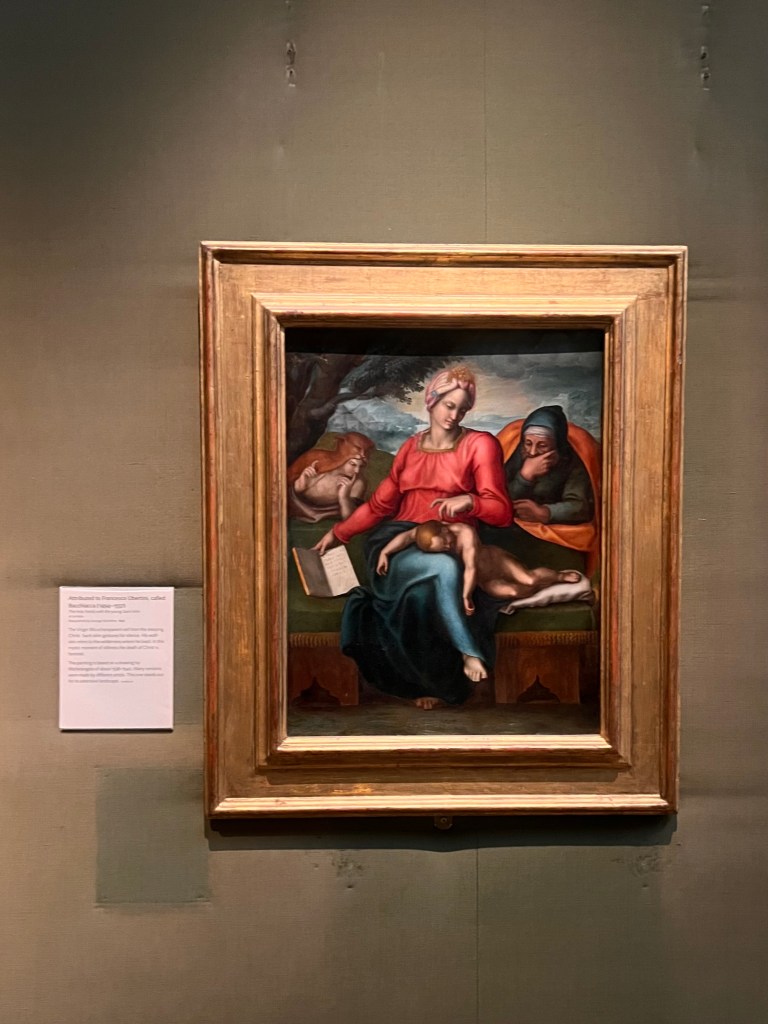
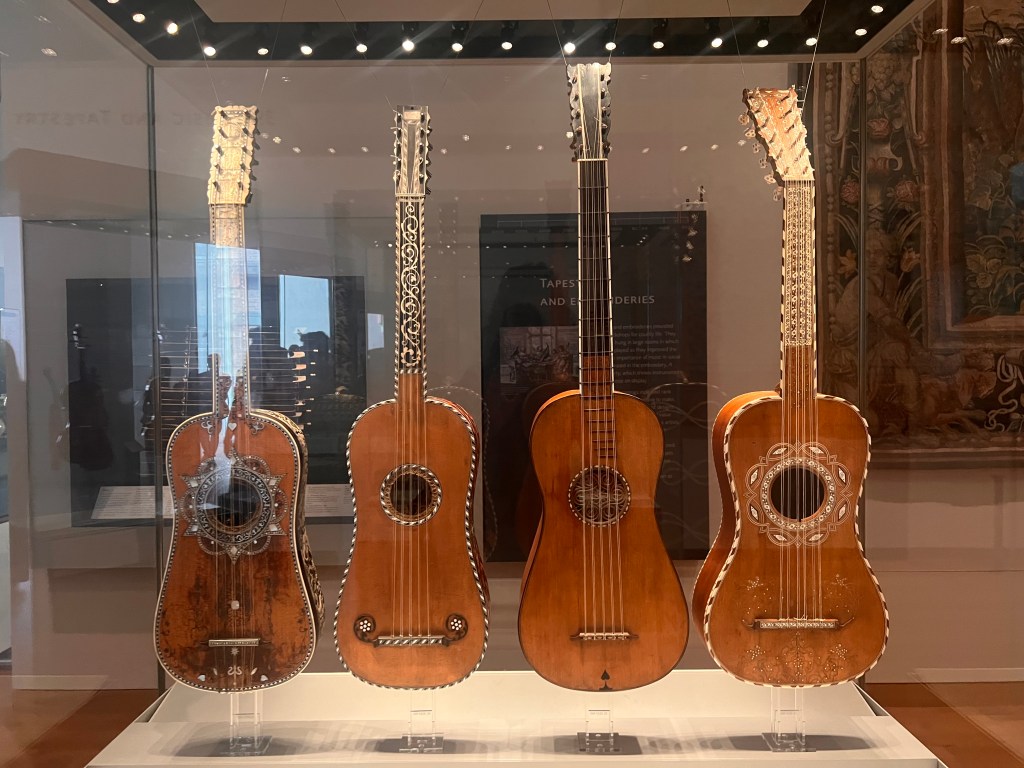
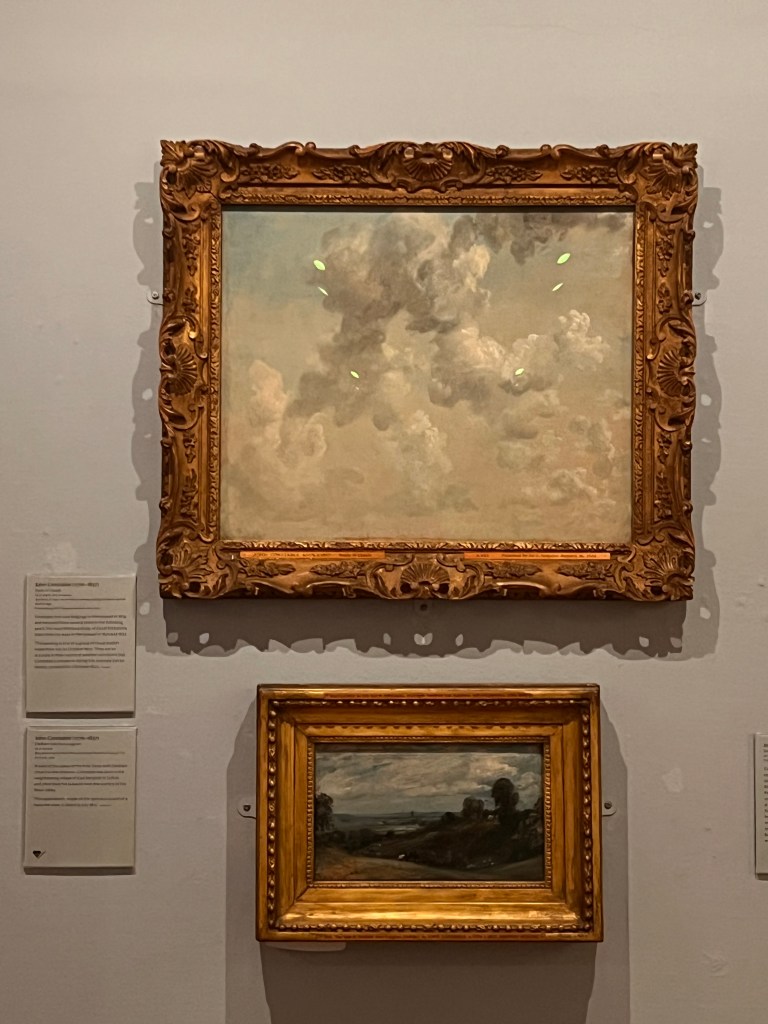
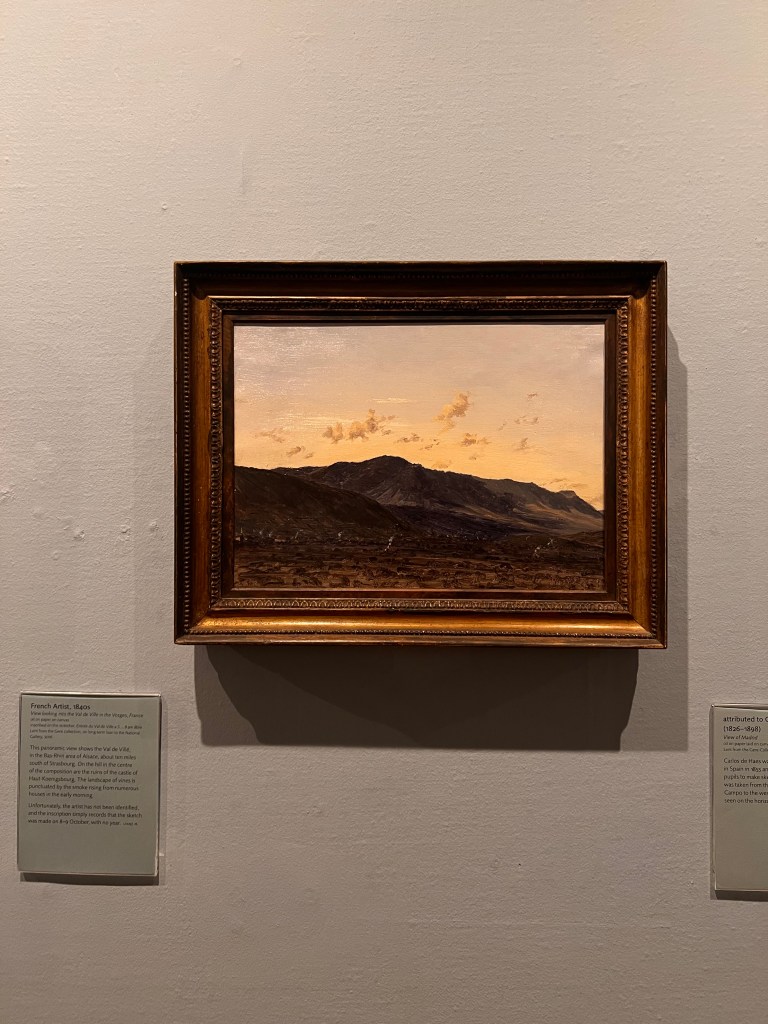
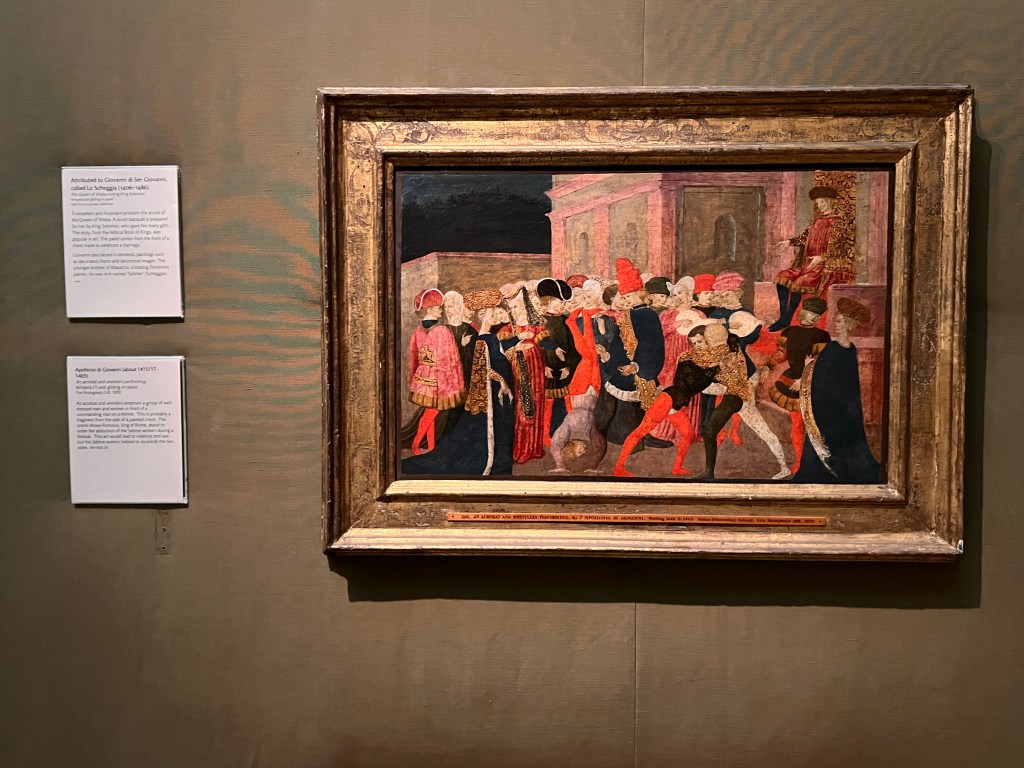
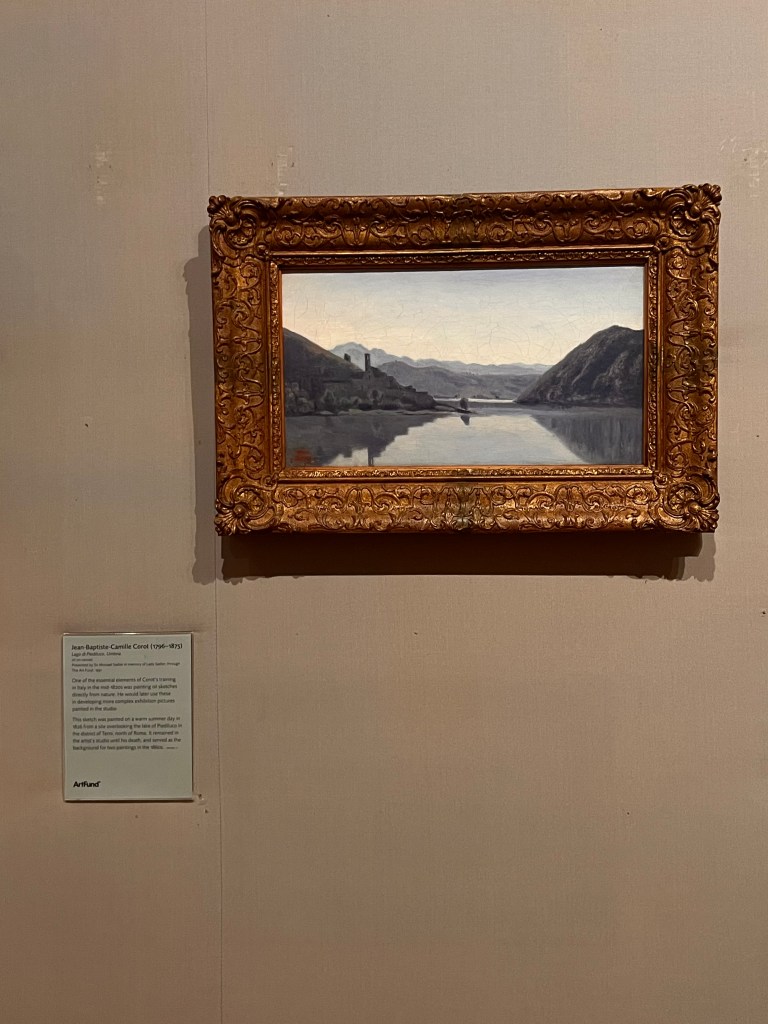
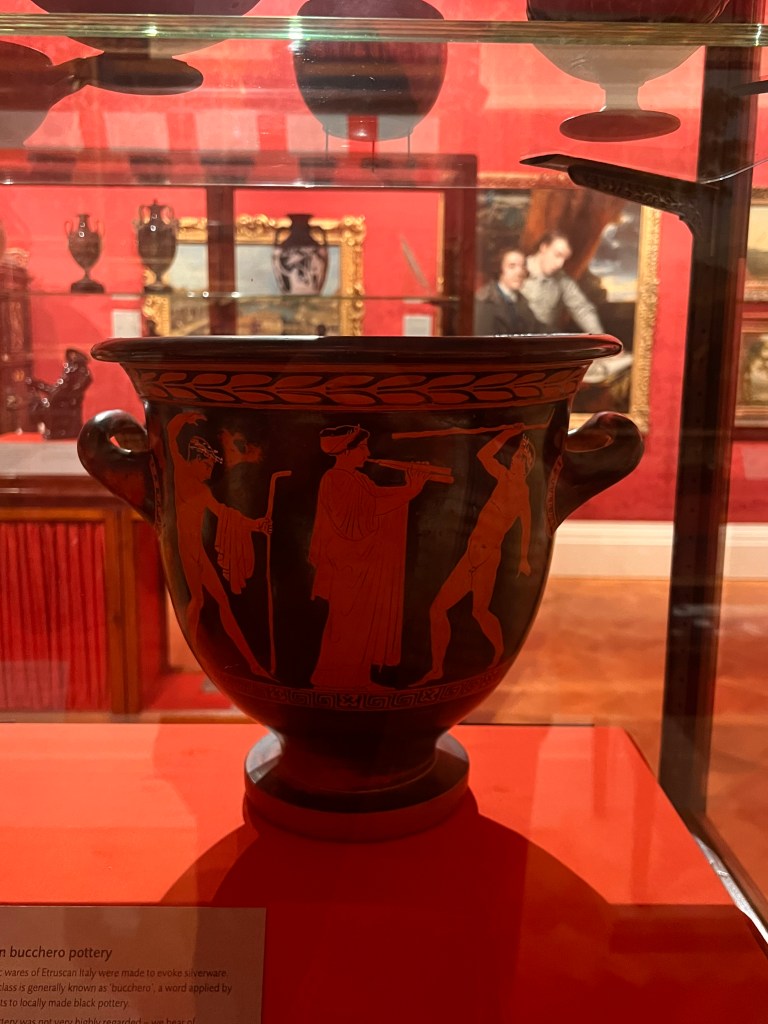
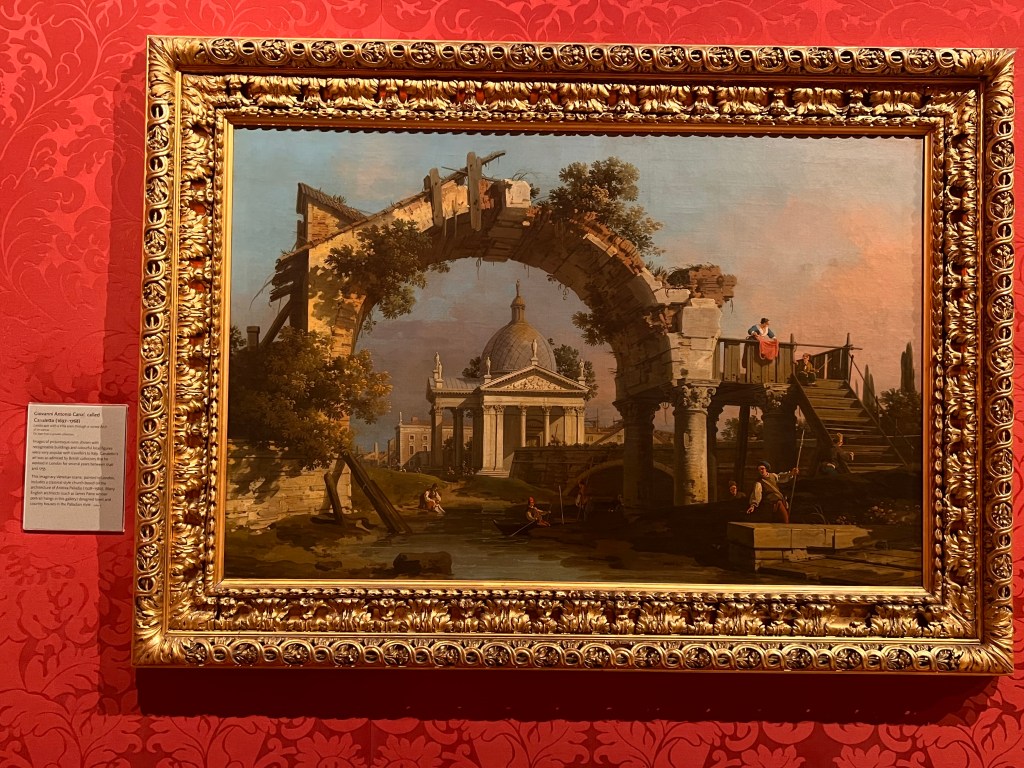
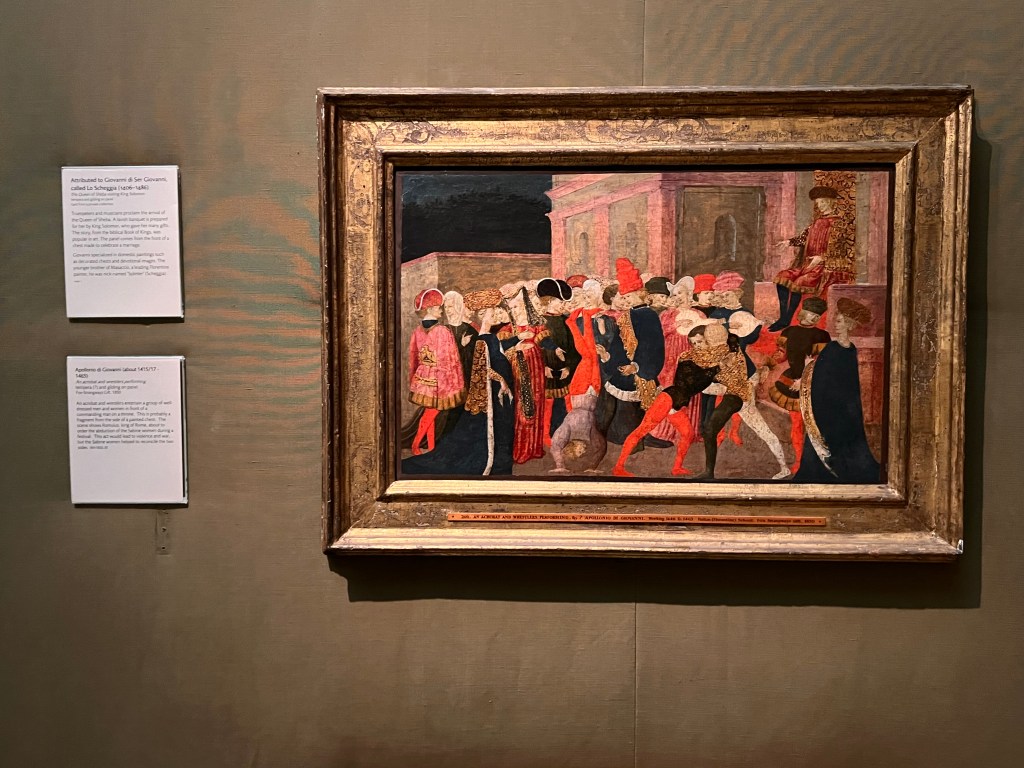
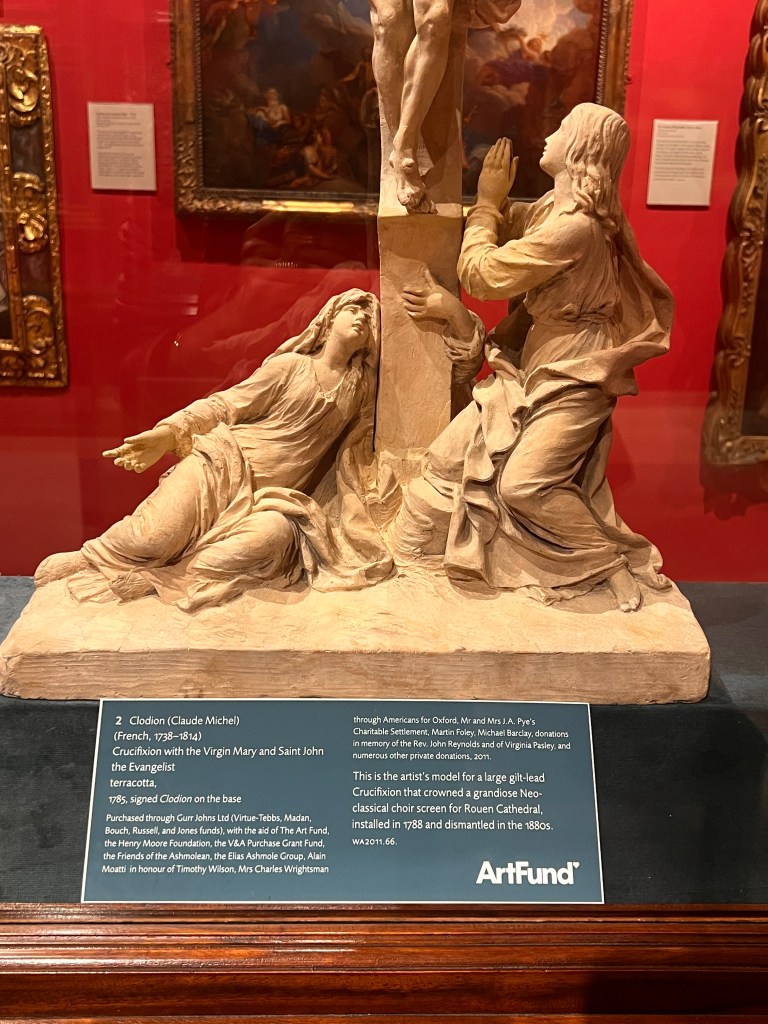
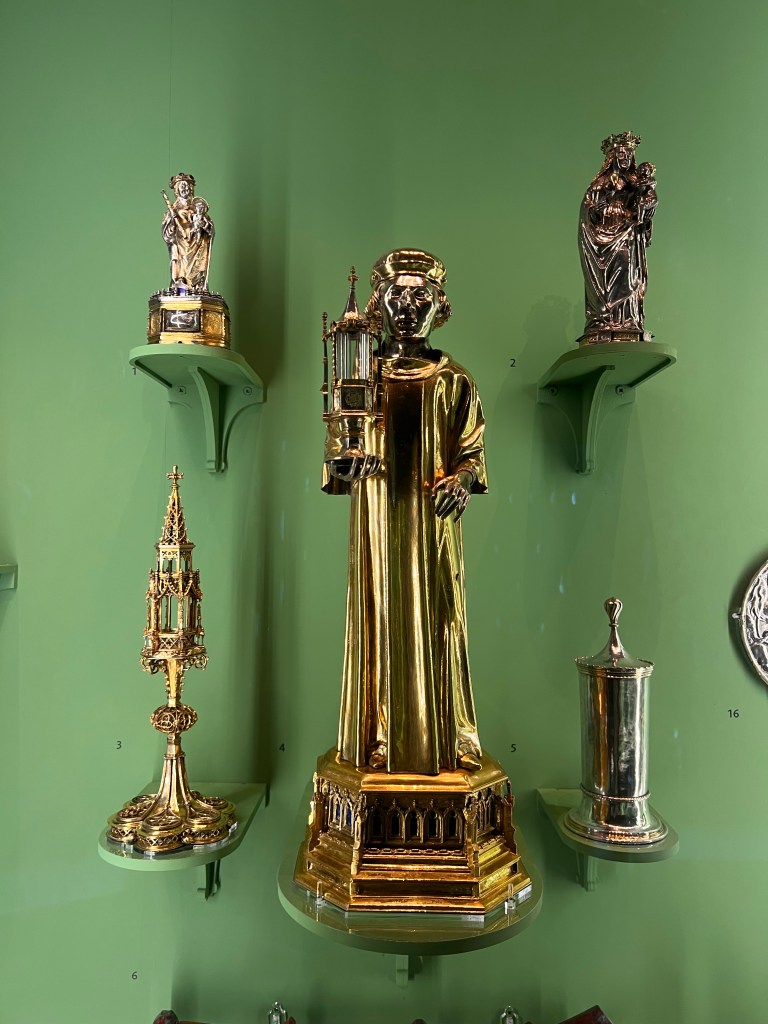
From the Western Art Collection, I saw some amazing works, from Michele Giovanni Boni to Fra Filippo Lippi. What interested me most was how these paintings were made. Until now, I had only seen them on Google, so seeing them in person was completely different – the textures, the brushwork, the scale – everything felt more alive. It’s a privilege to experience them like this, and yet, because there is so much work on display, it also feels a bit overwhelming.
I spent a couple of days exploring both the Western and Eastern Art Collections, focusing on the works that struck me most visually. I didn’t analyze every painting, but selected the ones that caught my attention because of their imagery, colors, and textures. The landscape paintings, in particular, connected with me – the shades, the way the colors were used, and the mood they created.
Some of the artists I noticed include Frédéric Leighton (1830–1896), Giovanni Costa (1826–1903), and various French artists from the 1840s. It was incredible to see works by these artists in person, especially because so many of them are usually seen online. The museum is free, which makes it possible to revisit and really spend time with the collection, and I appreciated that opportunity immensely.
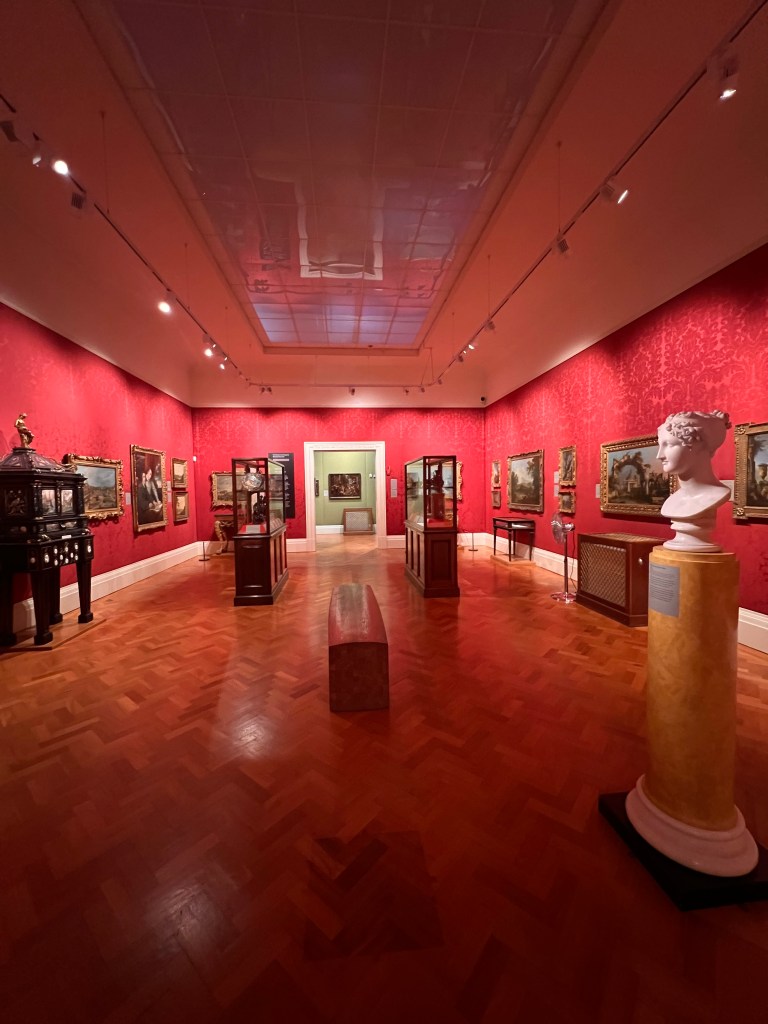
What interested me the most about this collection is that the collector who donated it did so on one condition: that the room displaying the works would be designed exactly according to his specifications. Normally, museums have their own rules, layouts, and ways of arranging works, so it’s fascinating that the museum had to follow the collector’s vision. Every detail – from the layout to the green color and the placement of each piece – was determined by him before the collection was handed over.
Eastern Art Section
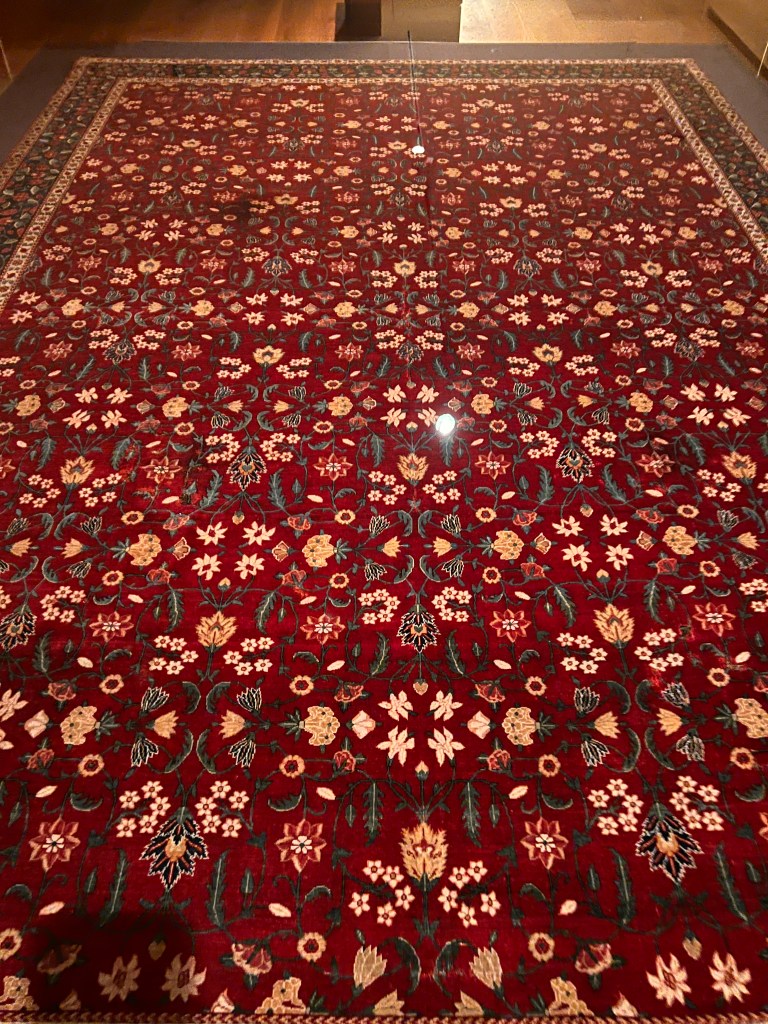
The Walking on a Thousand Flowers carpet, or Mille Fleurs, is a Mughal carpet from Lahore, known for its profusion of tiny flower clusters. What makes it fascinating is that it’s light and delicate, made from pashmina – the fine undercoat of Himalayan goats – so soft and light that it almost feels like a shawl rather than a heavy carpet. It’s displayed flat in a glass case because hanging it could damage it over time.
It’s especially meaningful to me because it comes from Lahore, my home region. It was once stolen and later recovered by a professor from Oxford University.
One critique I have is how the museum labels it. Everywhere it refers to “India,” without acknowledging the subcontinent, which feels misleading historically and politically. Even when Lahore is mentioned in trade-route explanations, it’s conflated with Kashmir, which should not be the case. Later, when I asked another staff member about its origin, I mentioned Lahore, and she said “Lahore or Agra.” Agra is not listed anywhere in the official description. This creates a third possible origin and raises questions: either the description was not researched properly, has not been updated or there is a deliberate choice in how the carpet’s provenance is represented.
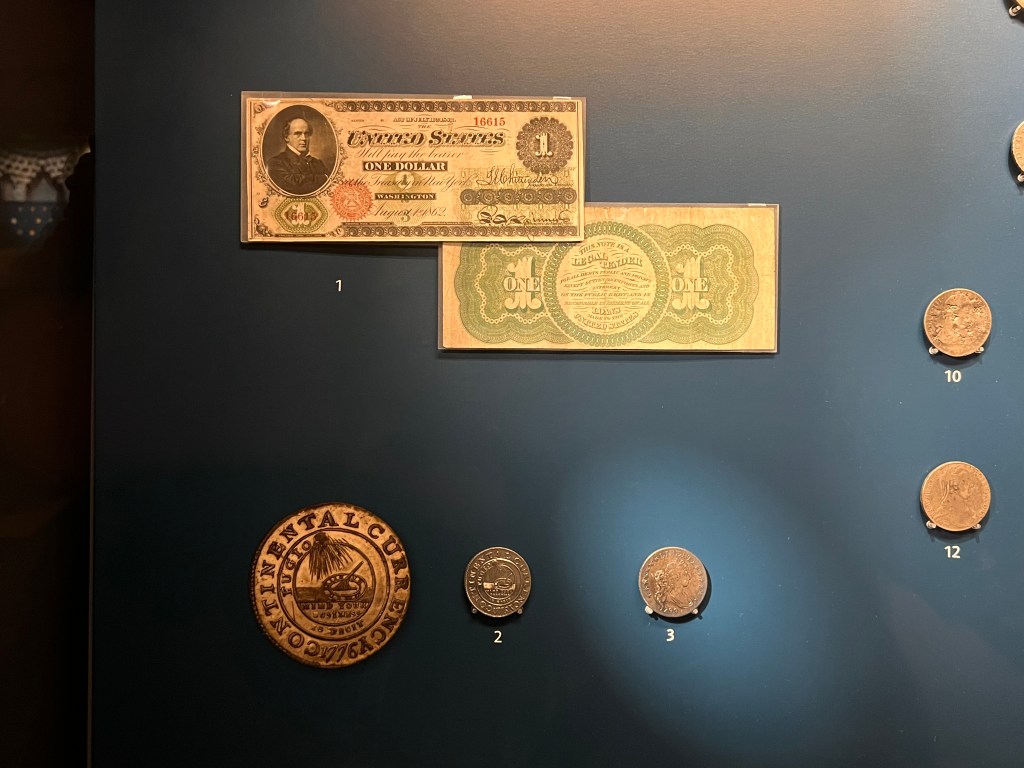
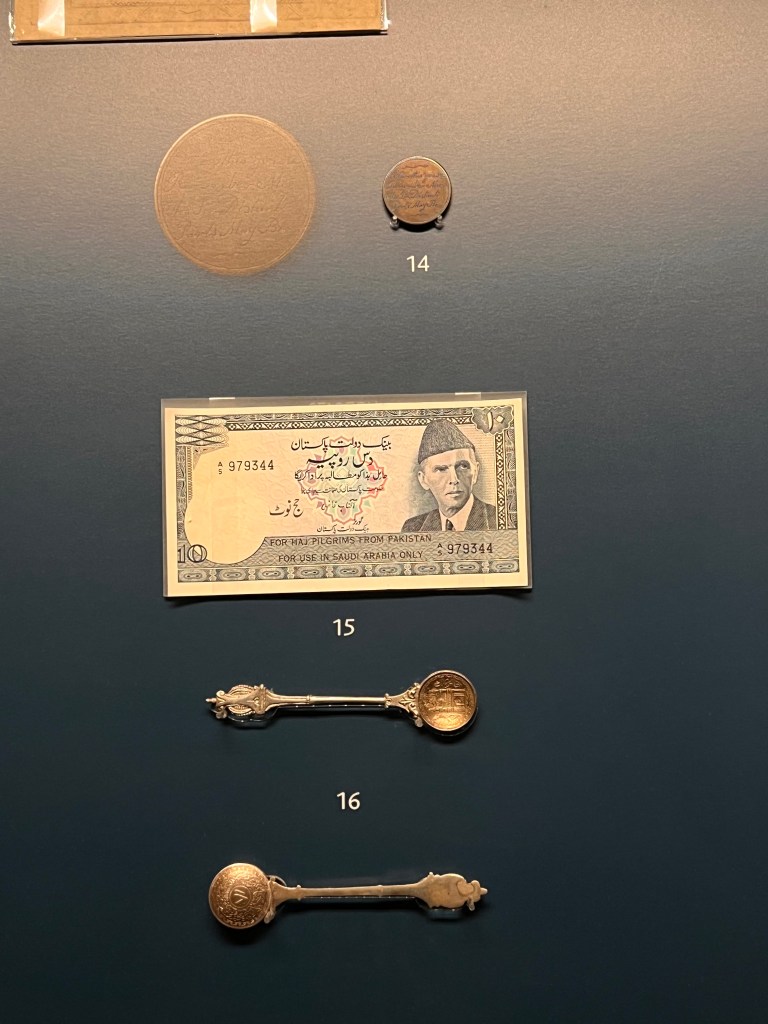
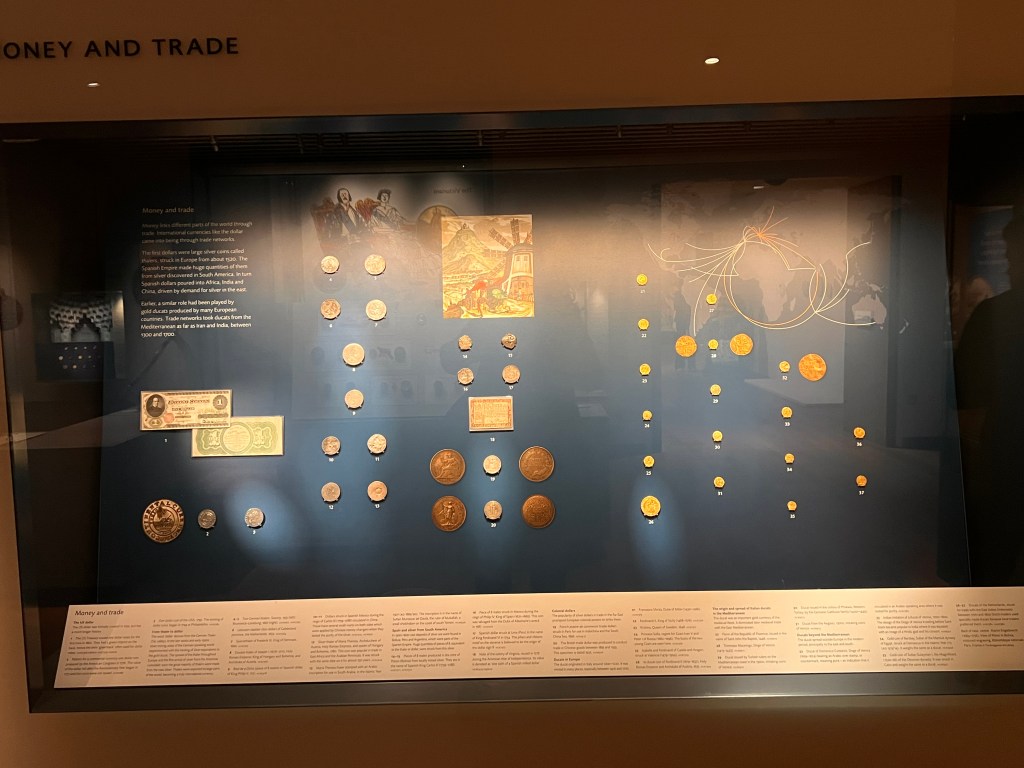
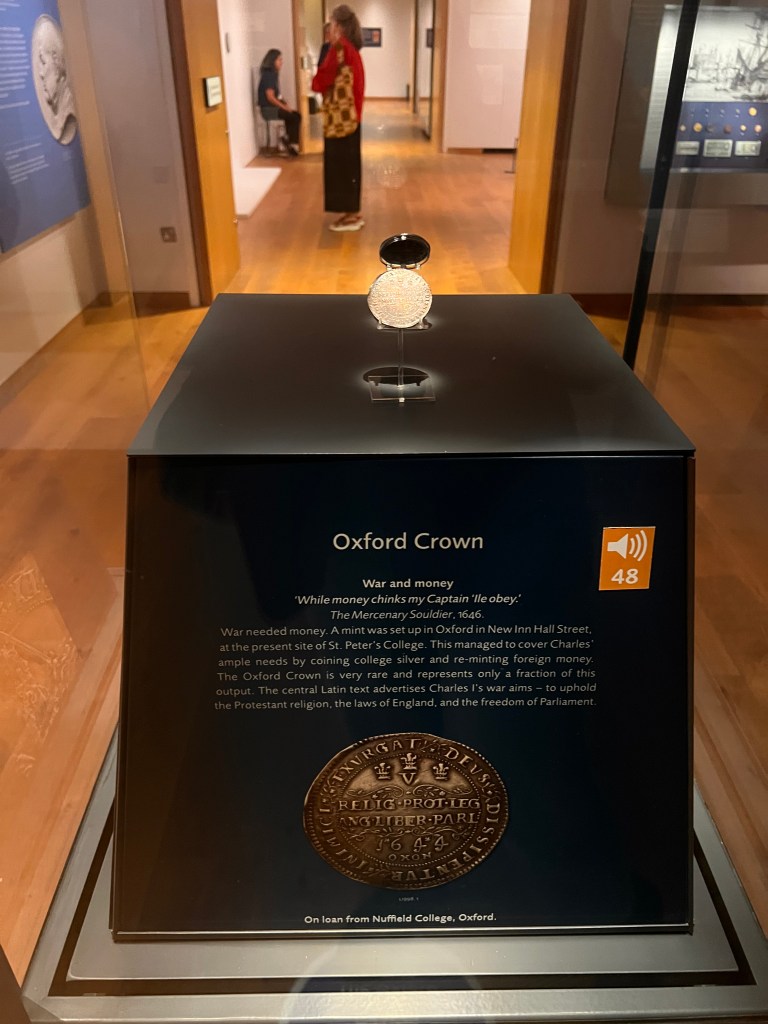
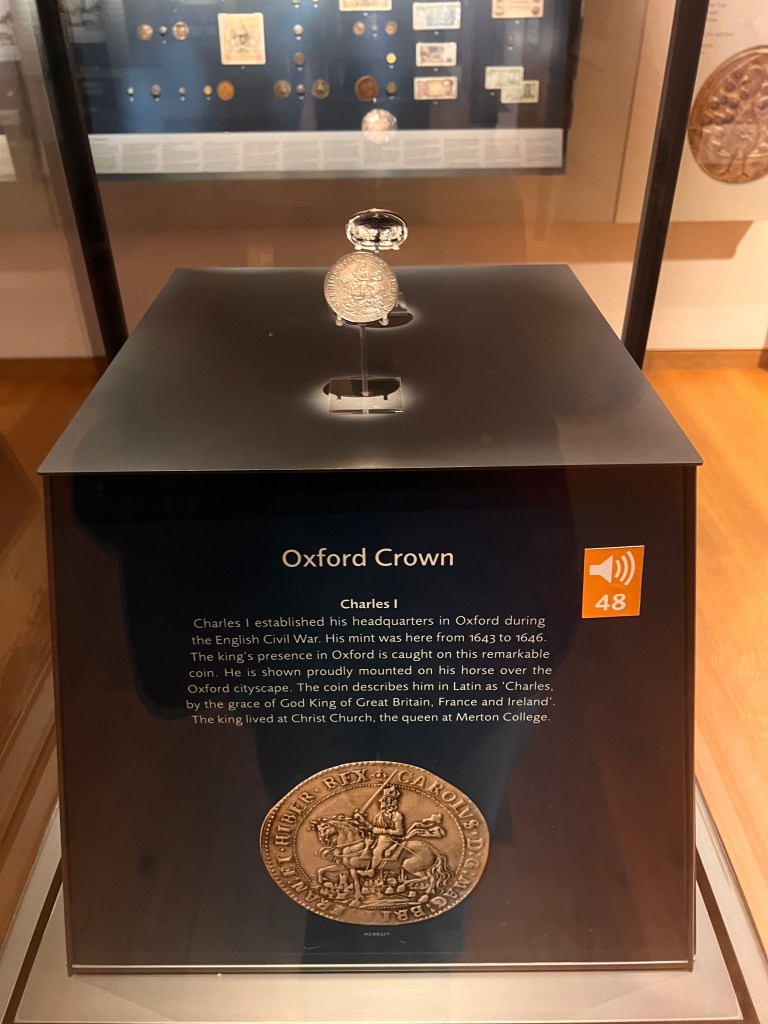
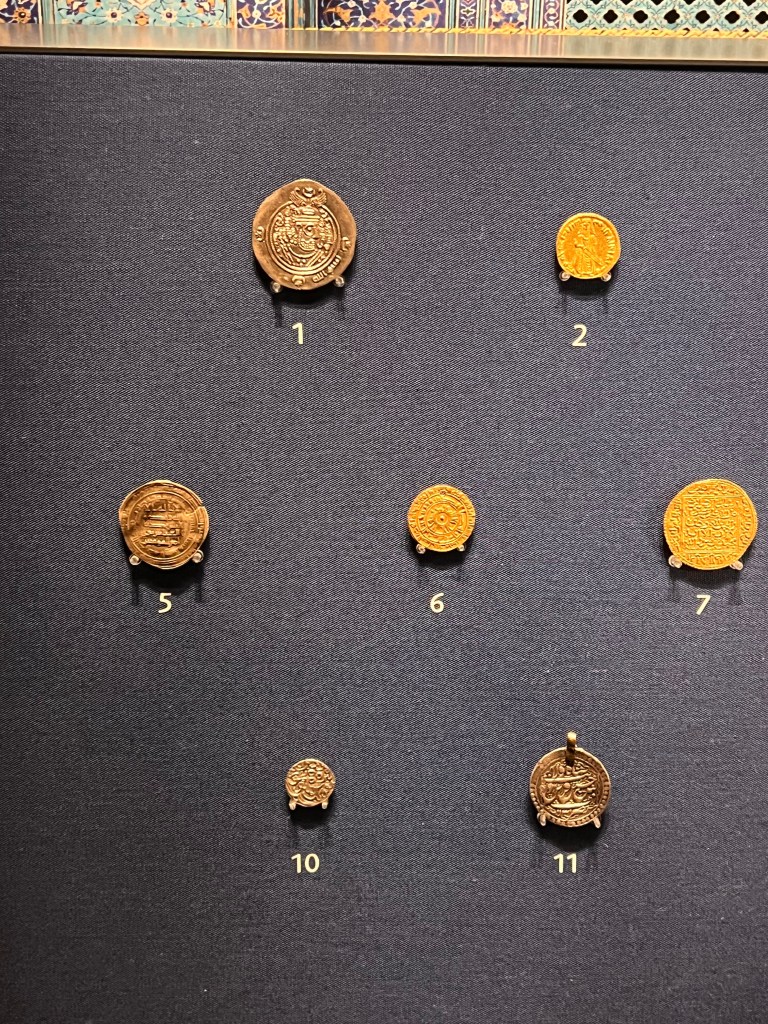
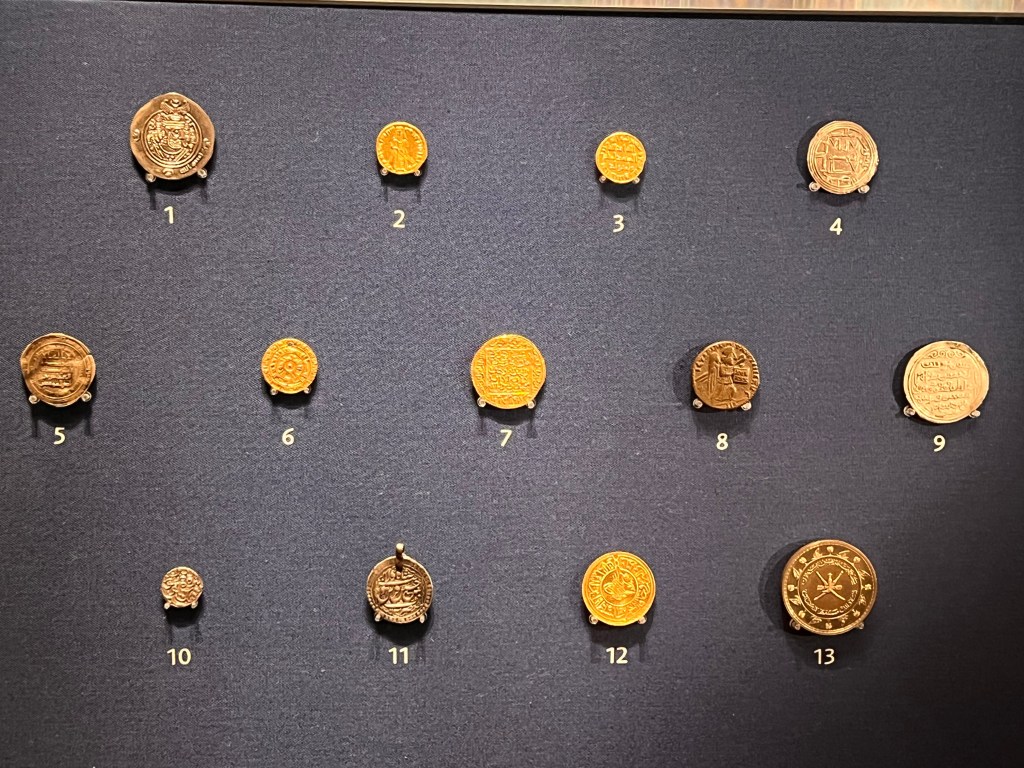
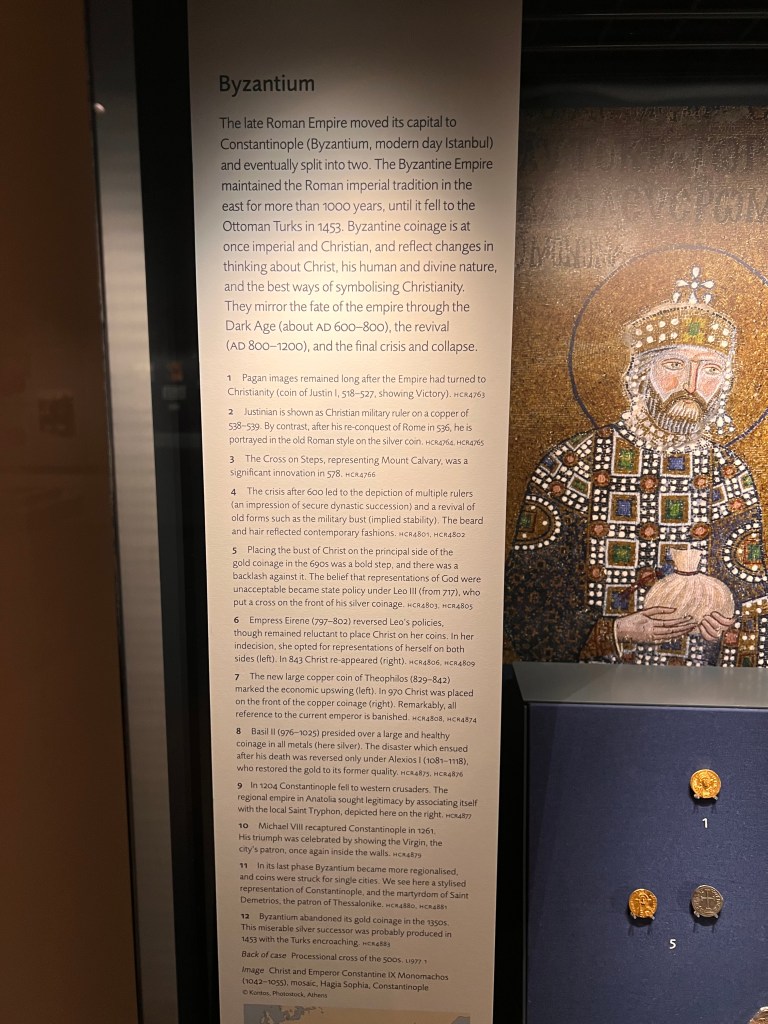
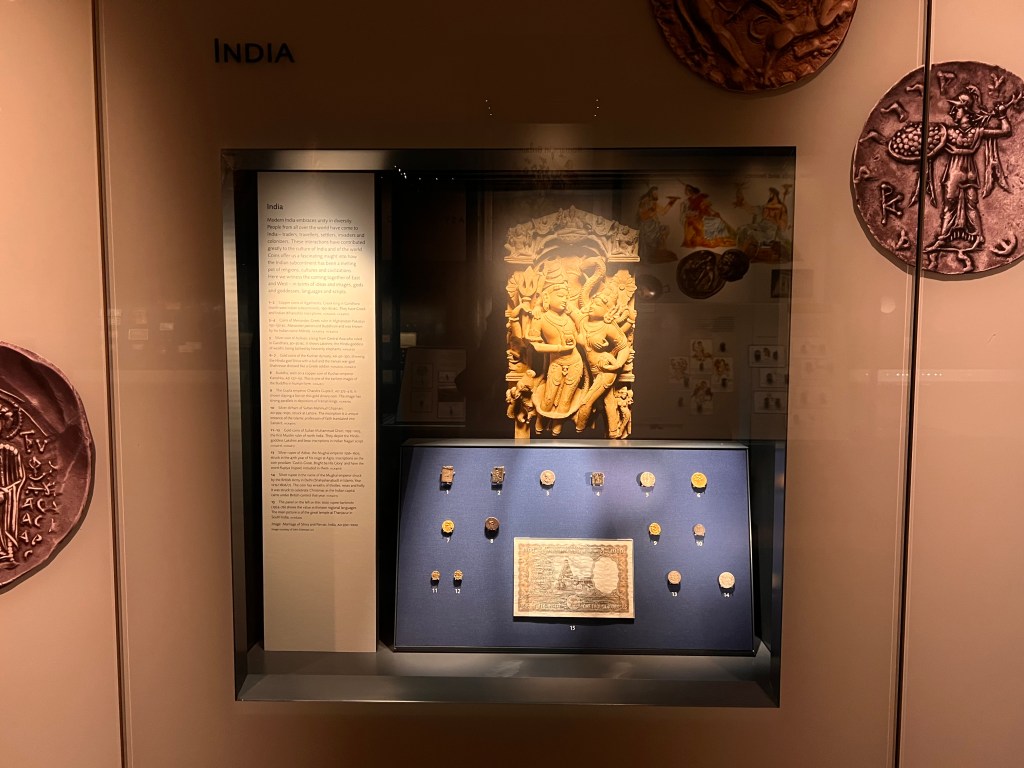
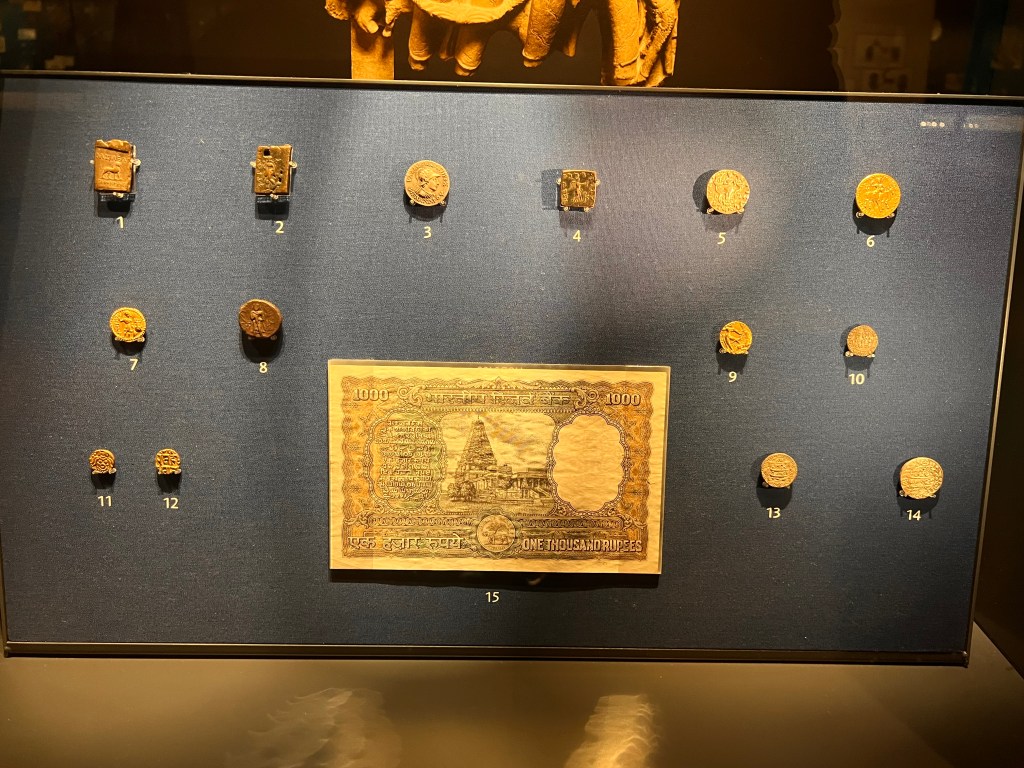
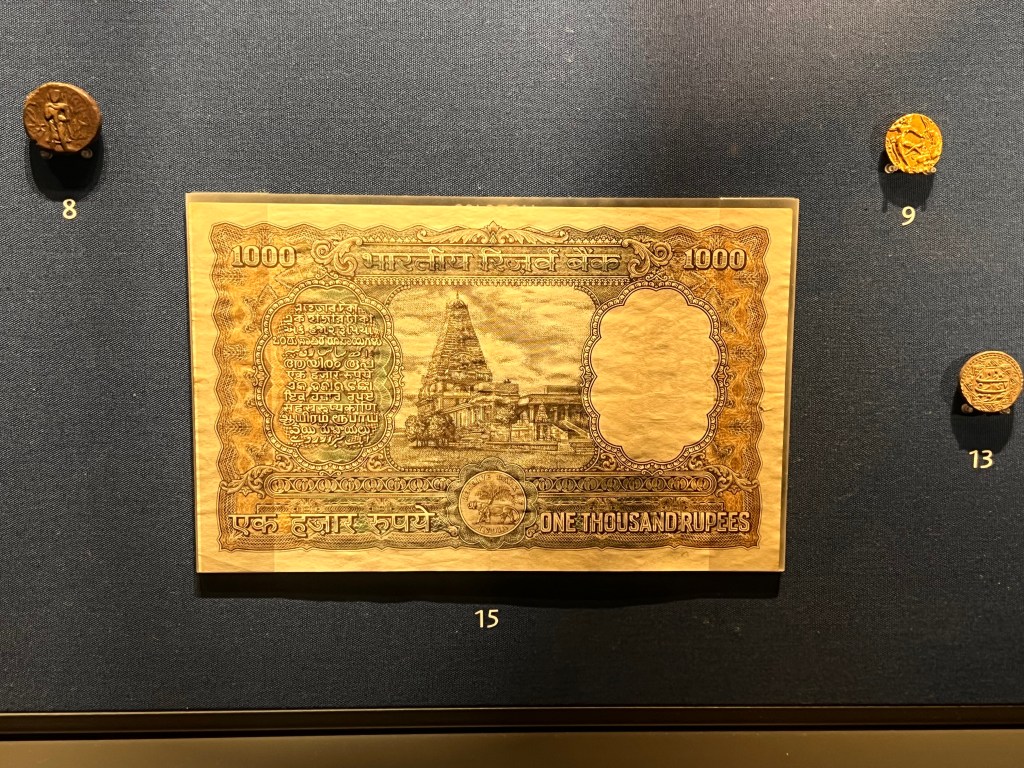
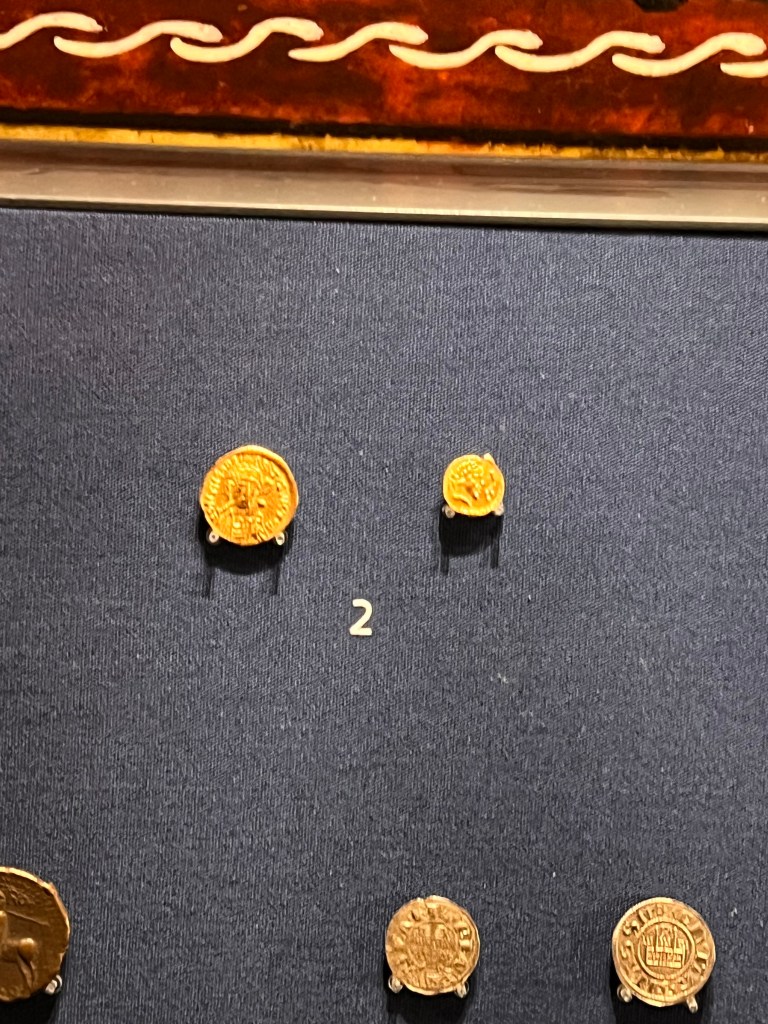
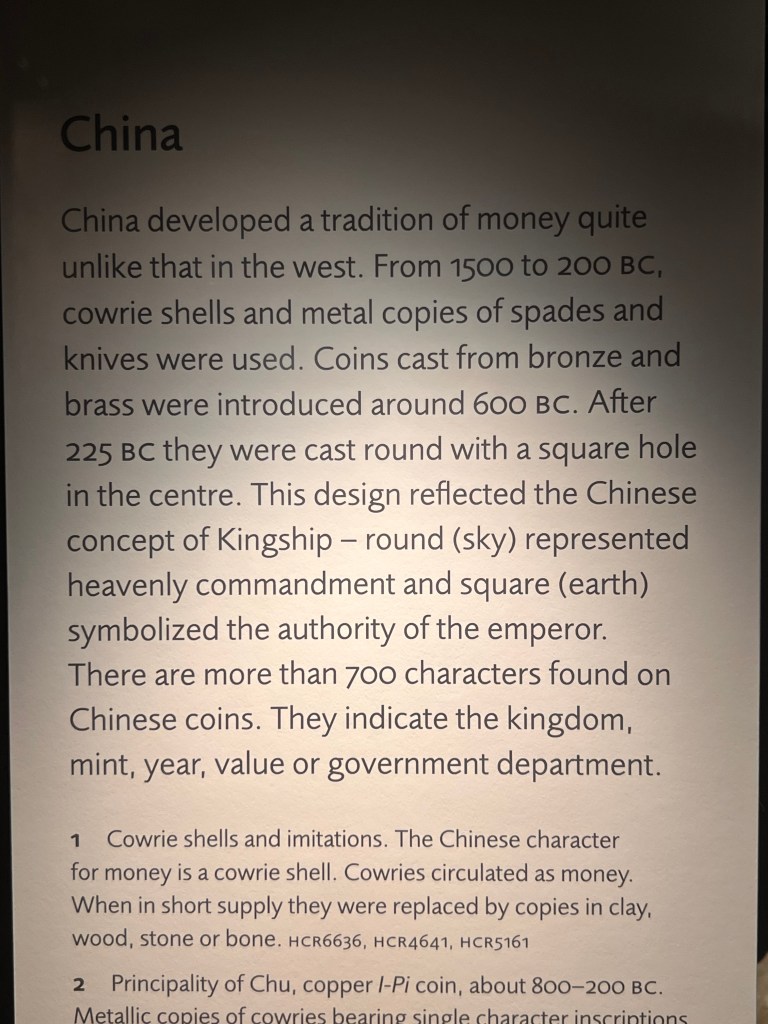
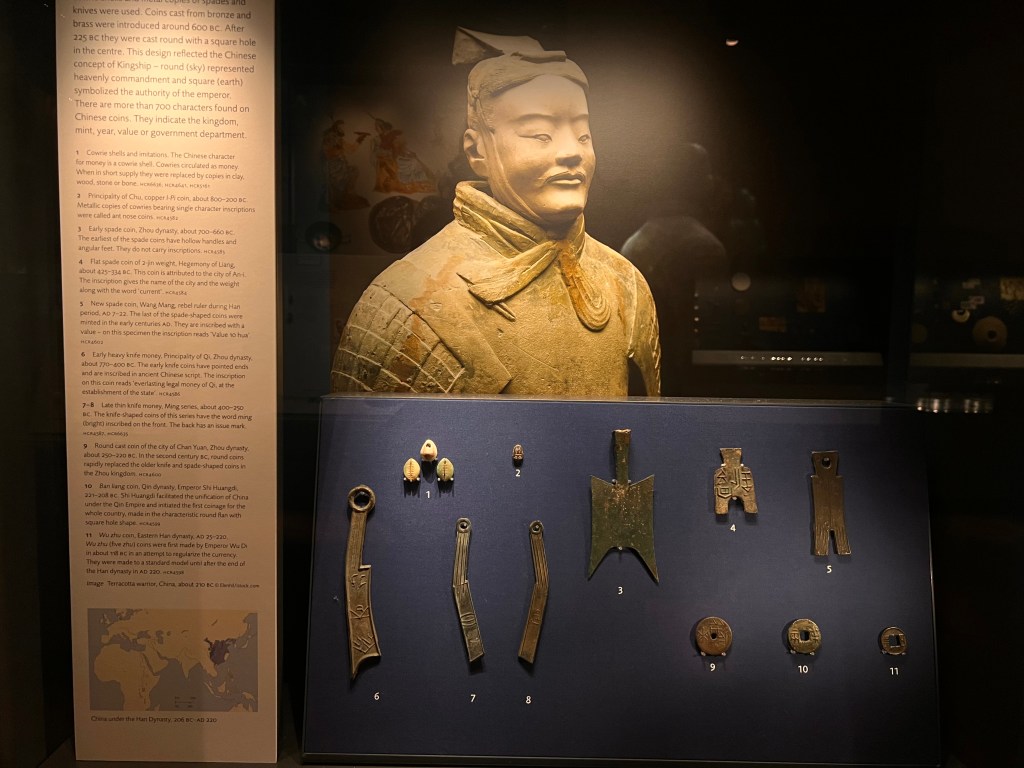
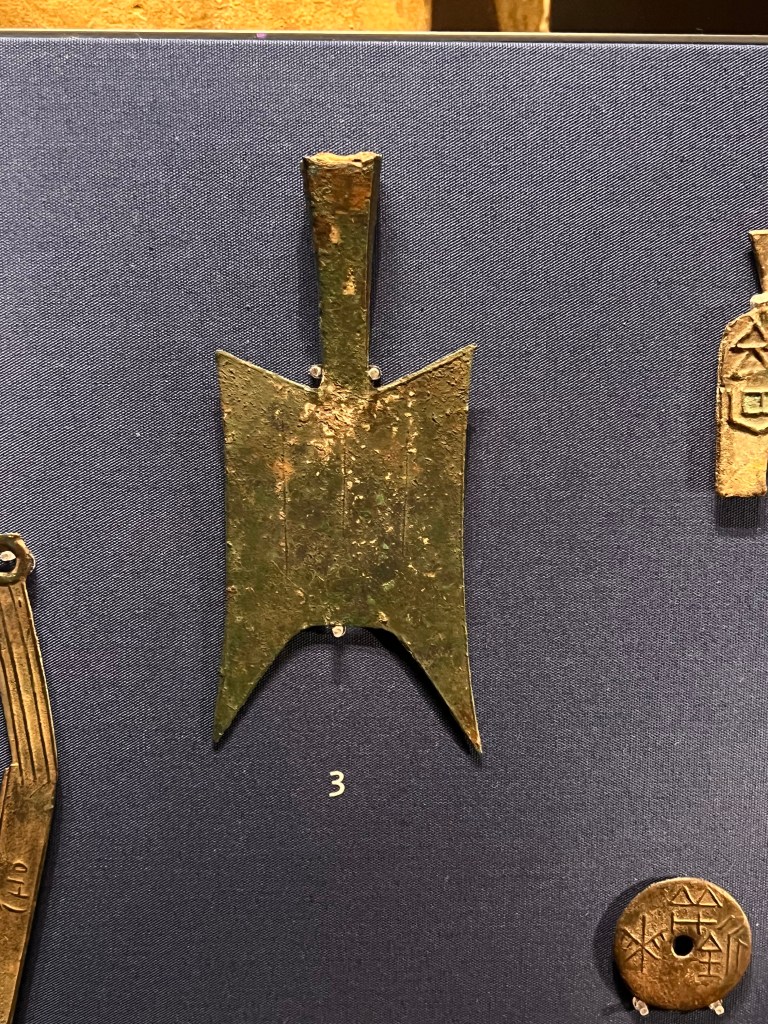
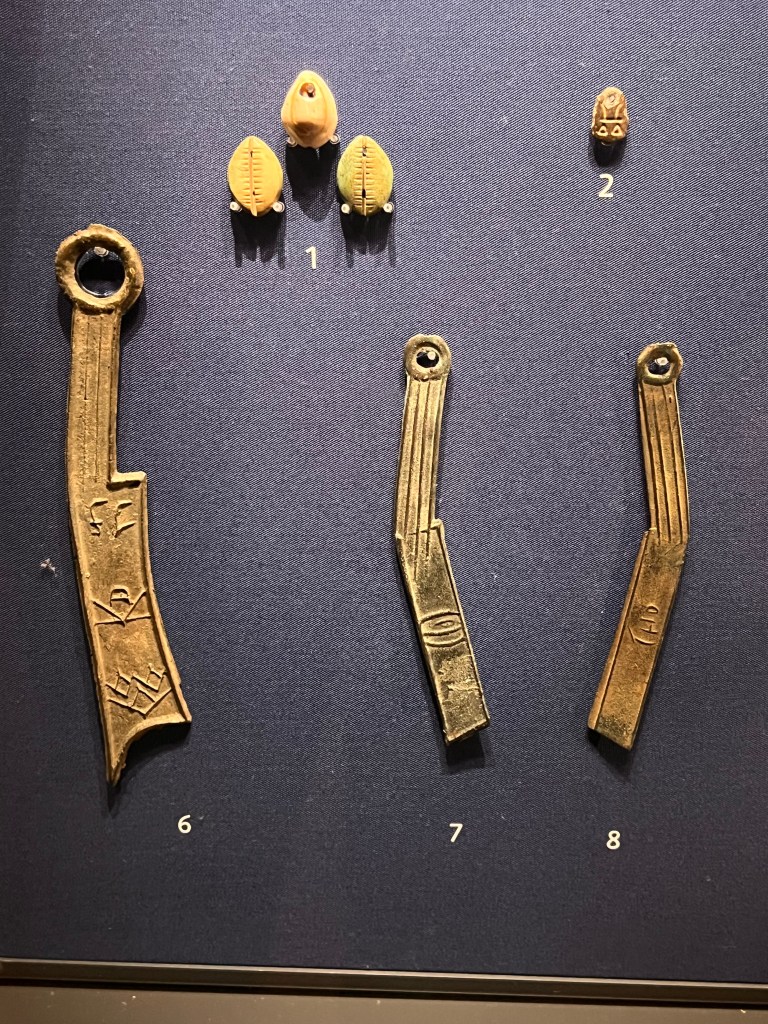
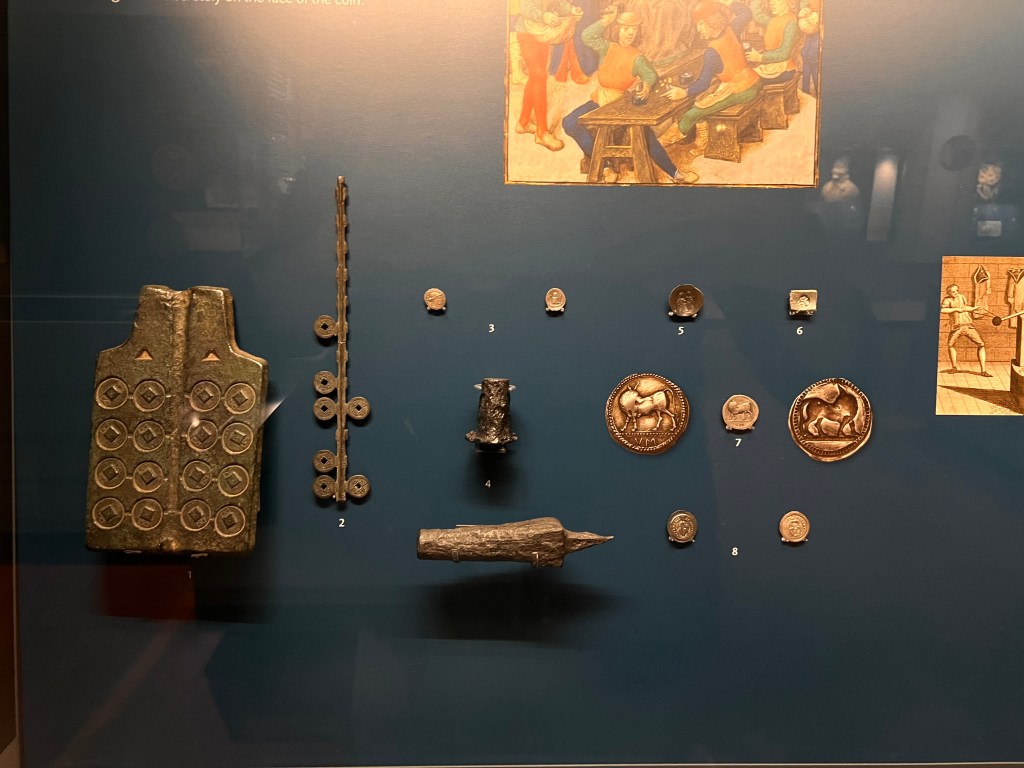
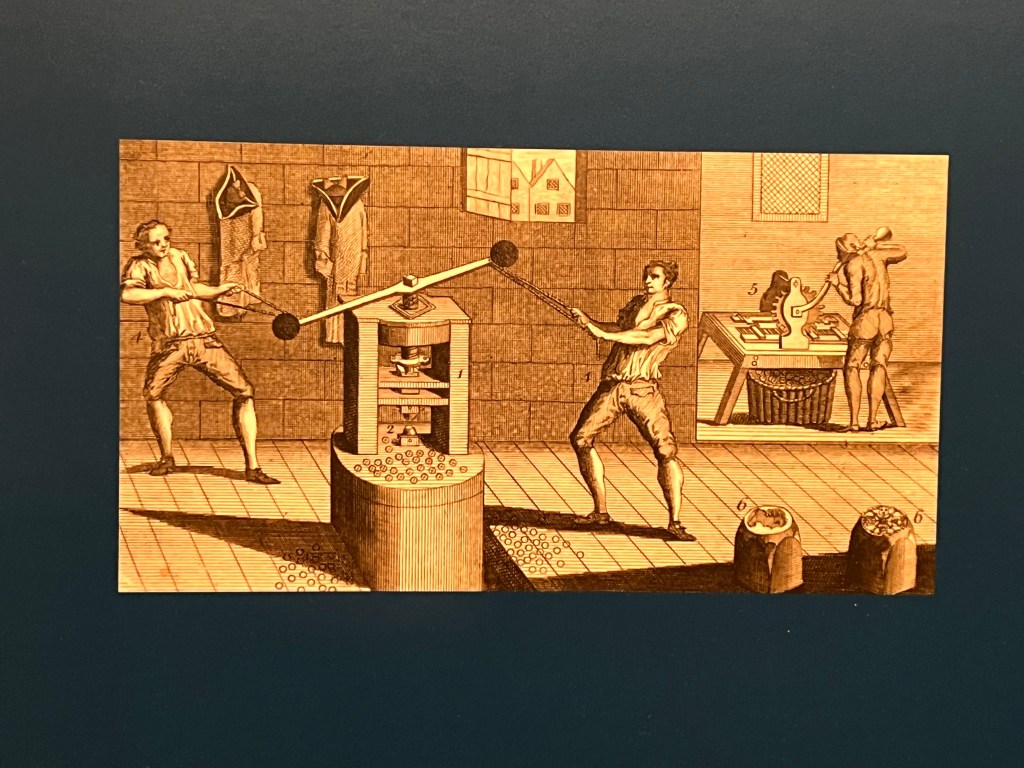
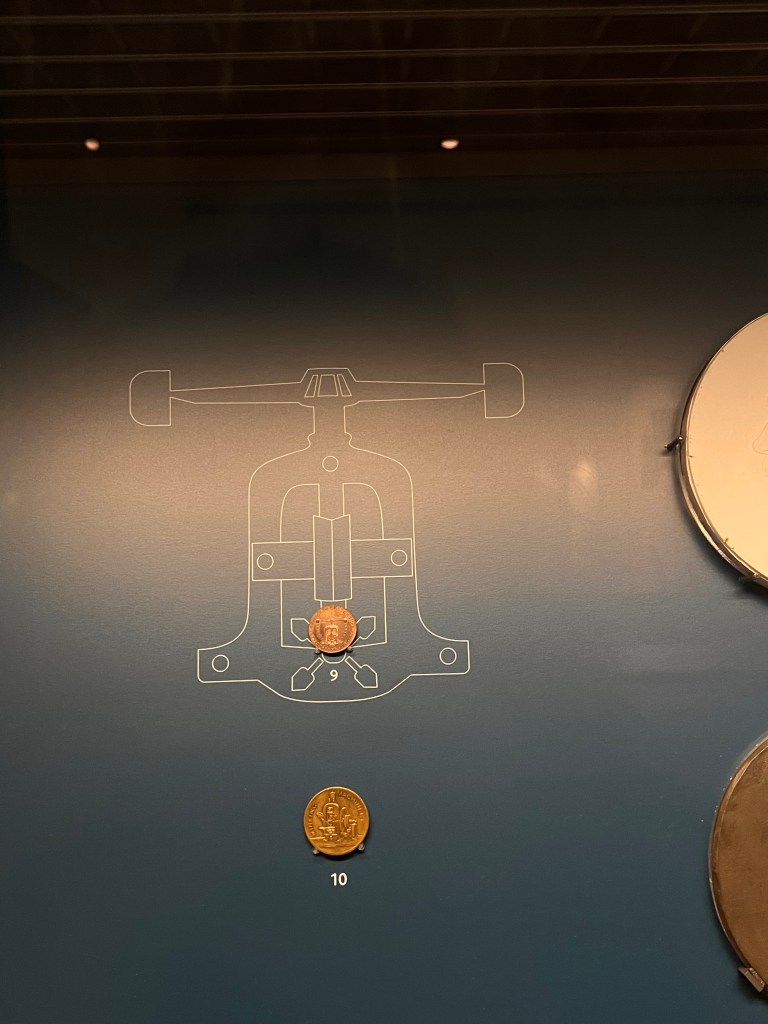
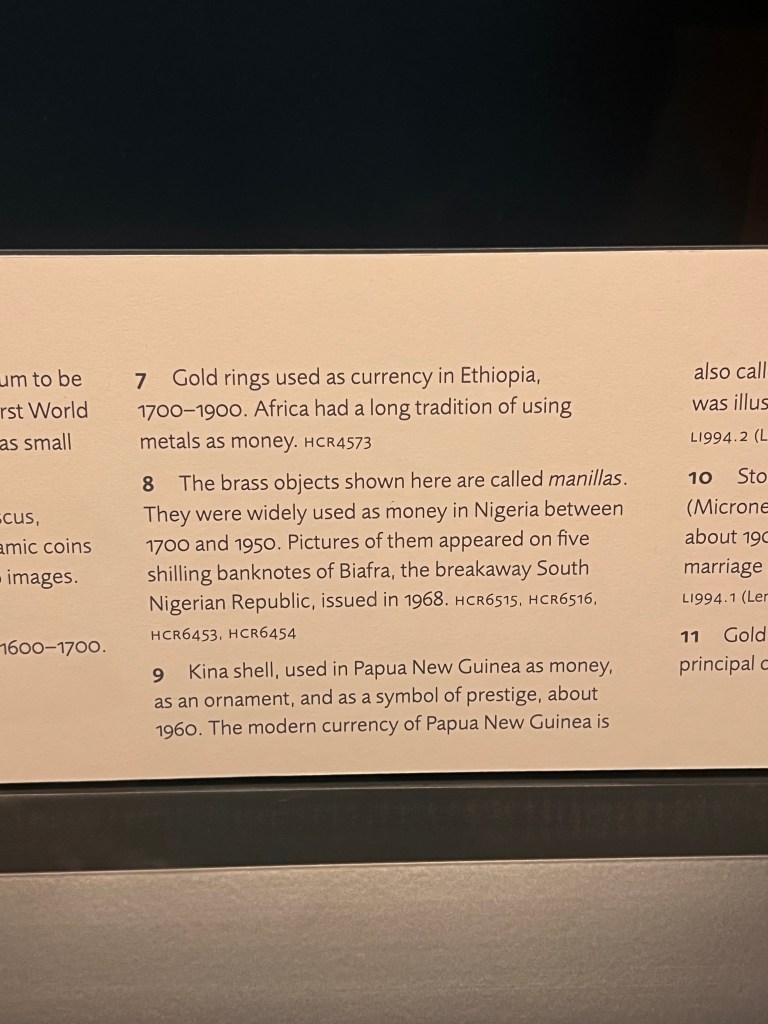
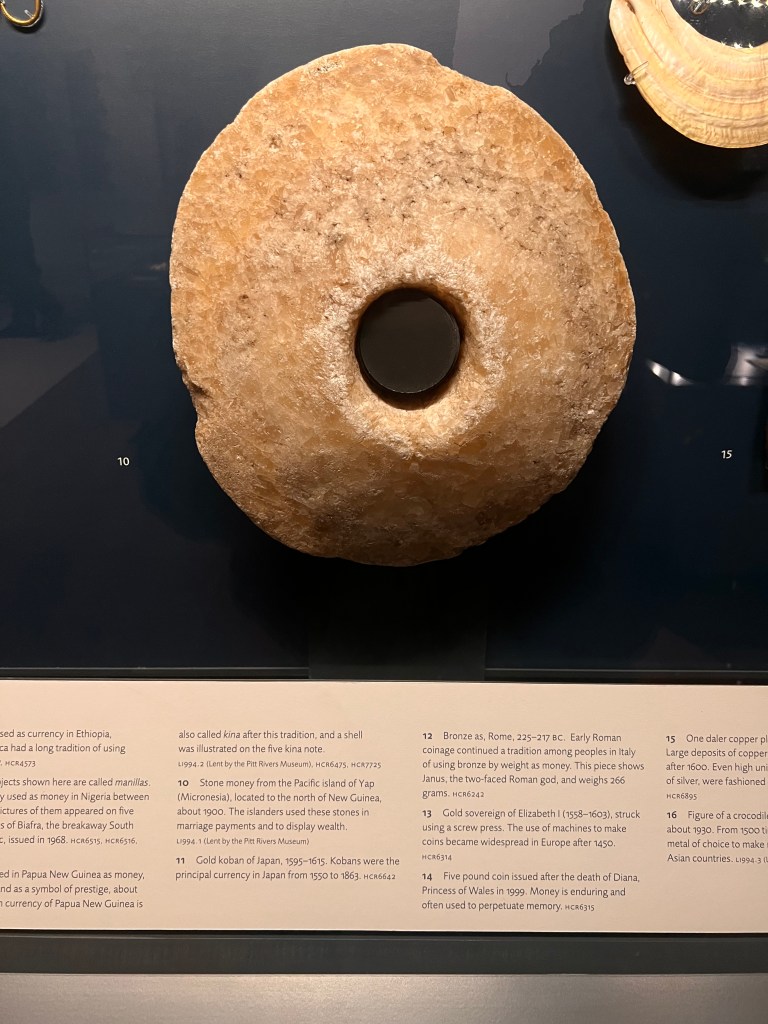
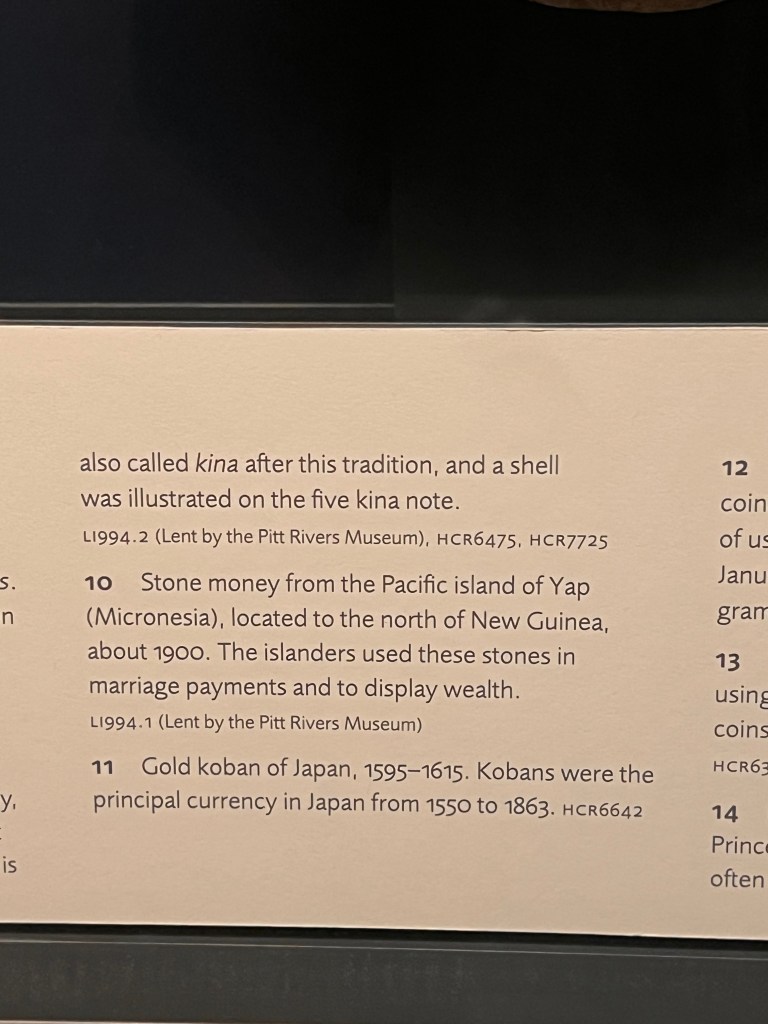
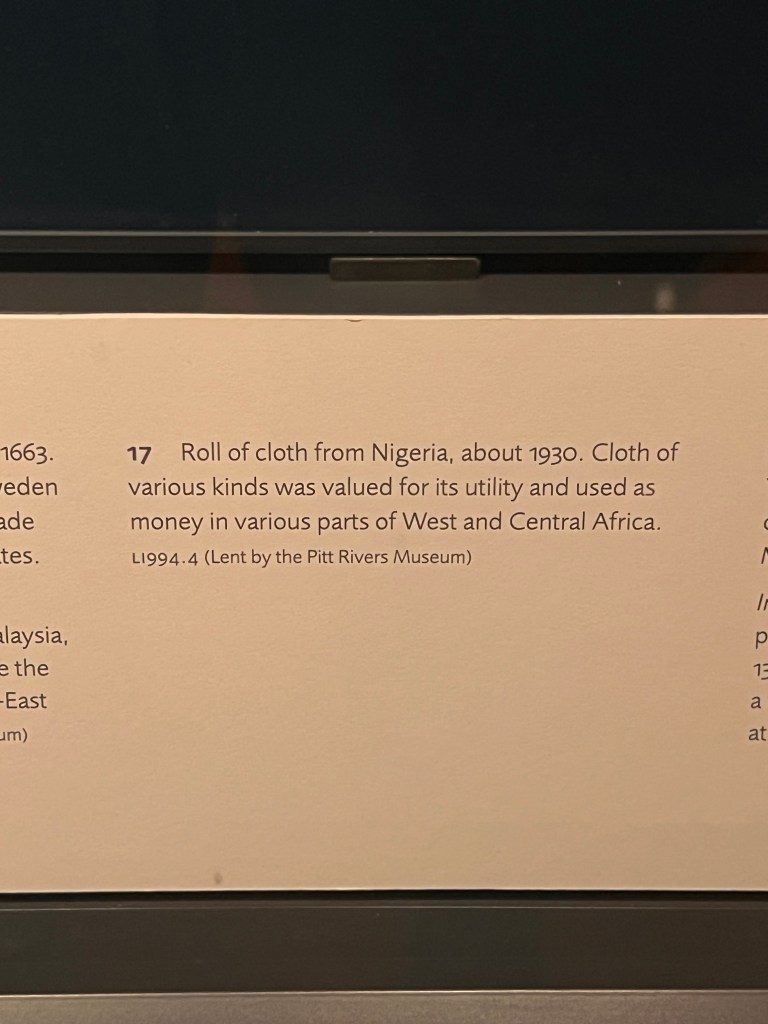
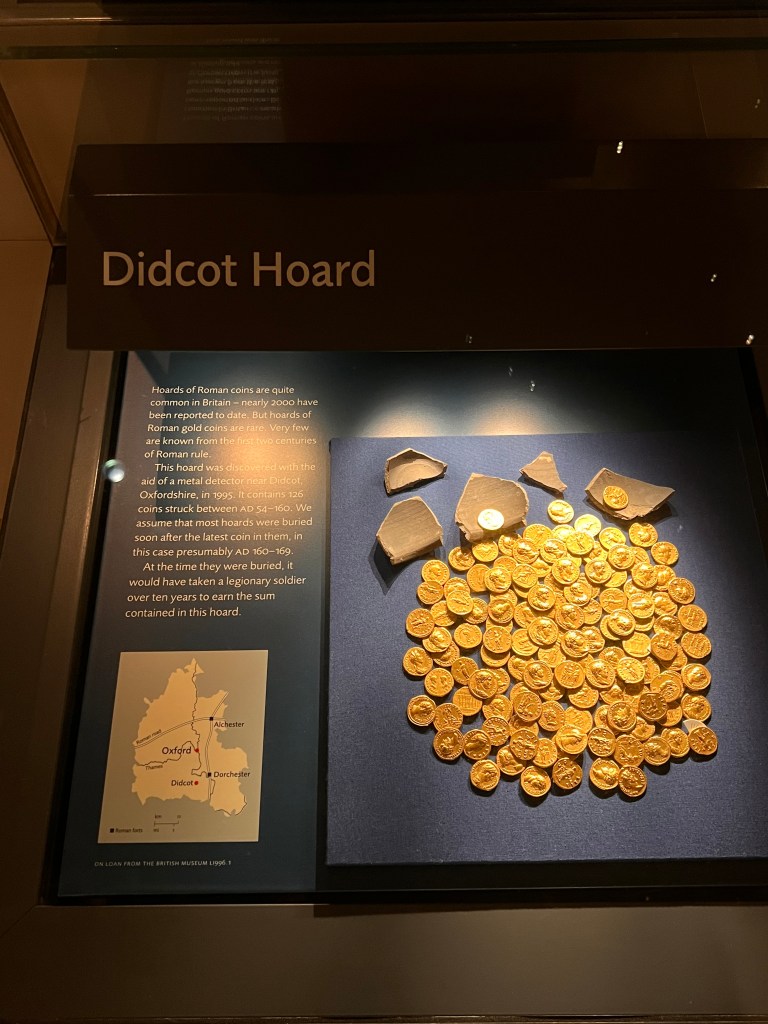
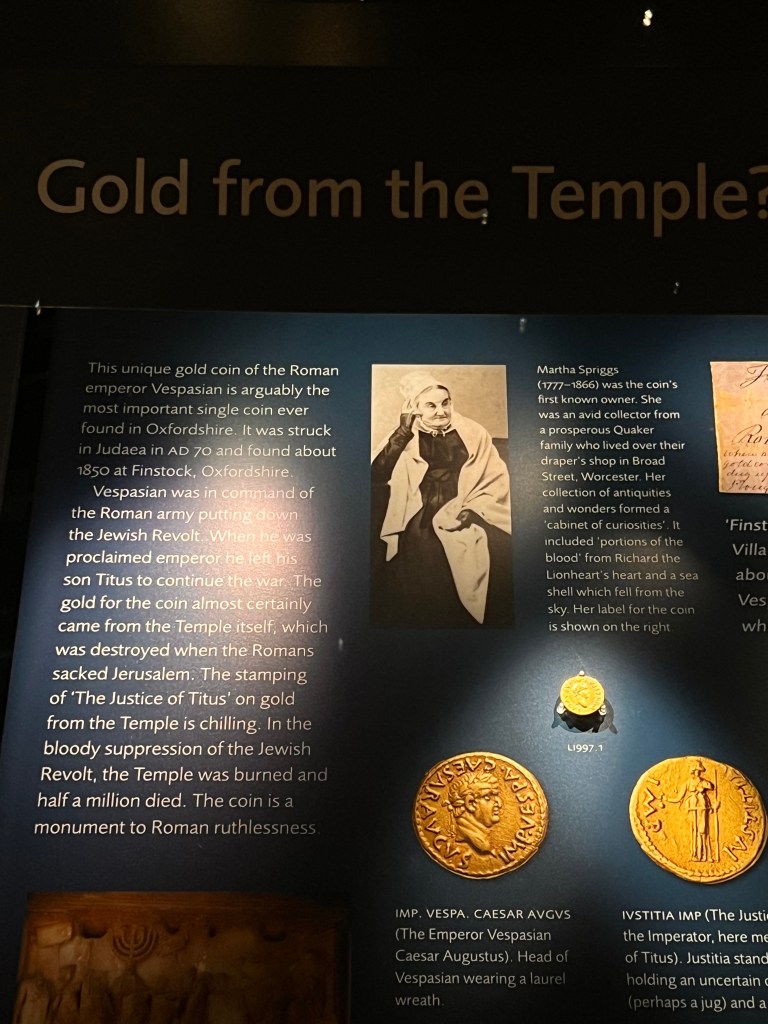
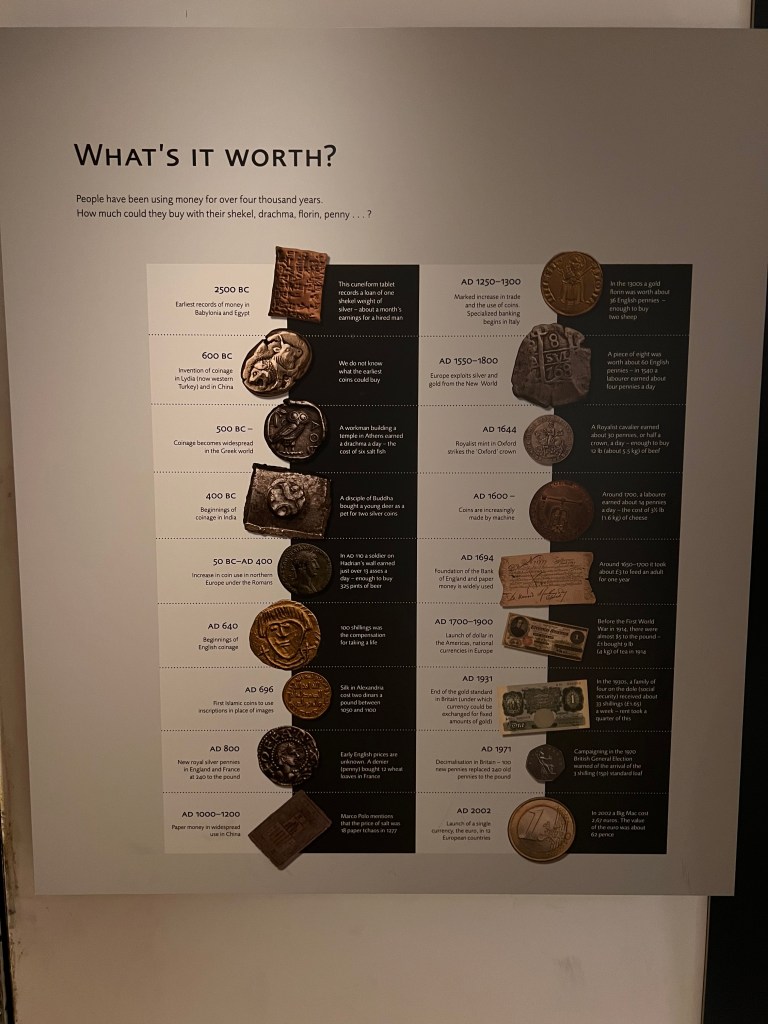
In the coins section at the Ashmolean Museum, I was drawn to the history of money and how it reflects power. It was fascinating to see how things that were important in daily life became forms of money from cowrie shells and metal copies of spades and knives in China between 1500 and 300 BC, to bronze and brass coins around 600 BC. After 225 BC, Chinese coins were round with a square hole in the center, symbolizing kingship: the round shape for the sky, the square for the emperor’s authority.
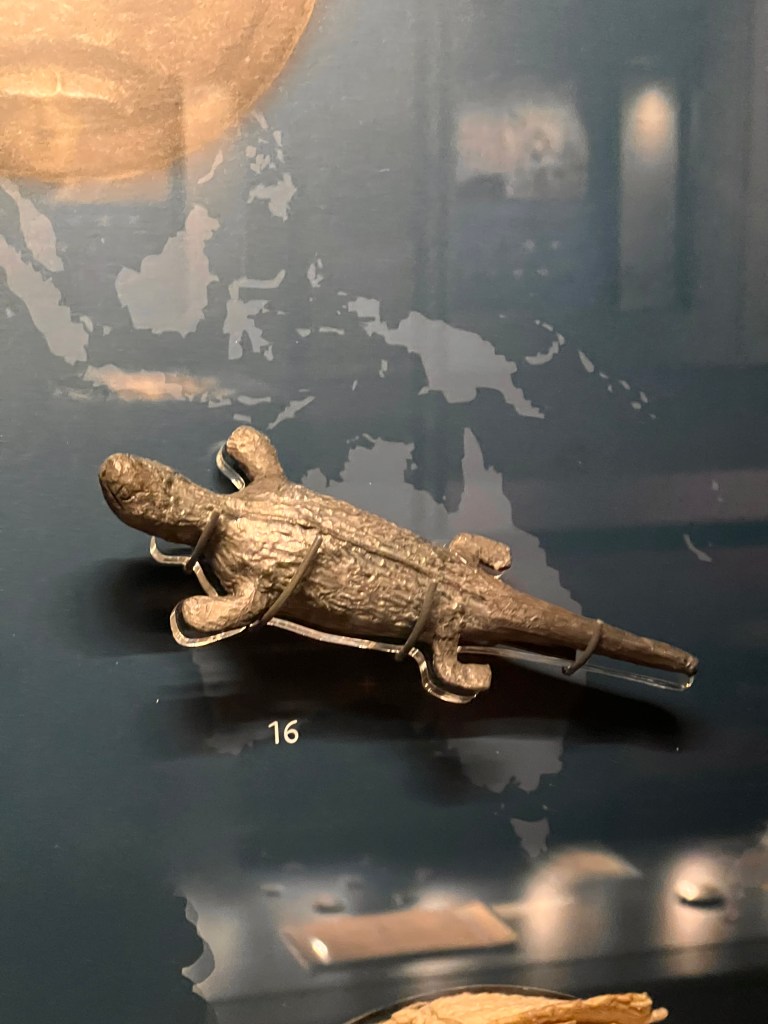
Other examples from around the world were equally interesting: cowrie shells in Papua New Guinea, and brass objects called manilas in Nigeria. Back then, money was literally tied to what people valued and used most in life. Today, currency has evolved into a system where we buy more and more, sometimes of the same things, and money drives people to fight, creates poverty, and defines survival. Rent keeps rising, and people’s value is measured by wealth – very different from when money represented essential things.
I’ve also been collecting coins since I was a child, so this section felt personal. Today I opened my coin box and found a five-rupee coin I don’t see anymore – coins in Pakistan have lost most of their value because of the economy. Seeing all of this together, from shells and spades to modern coins, really made me think about how money has evolved and the role it plays in shaping our world.
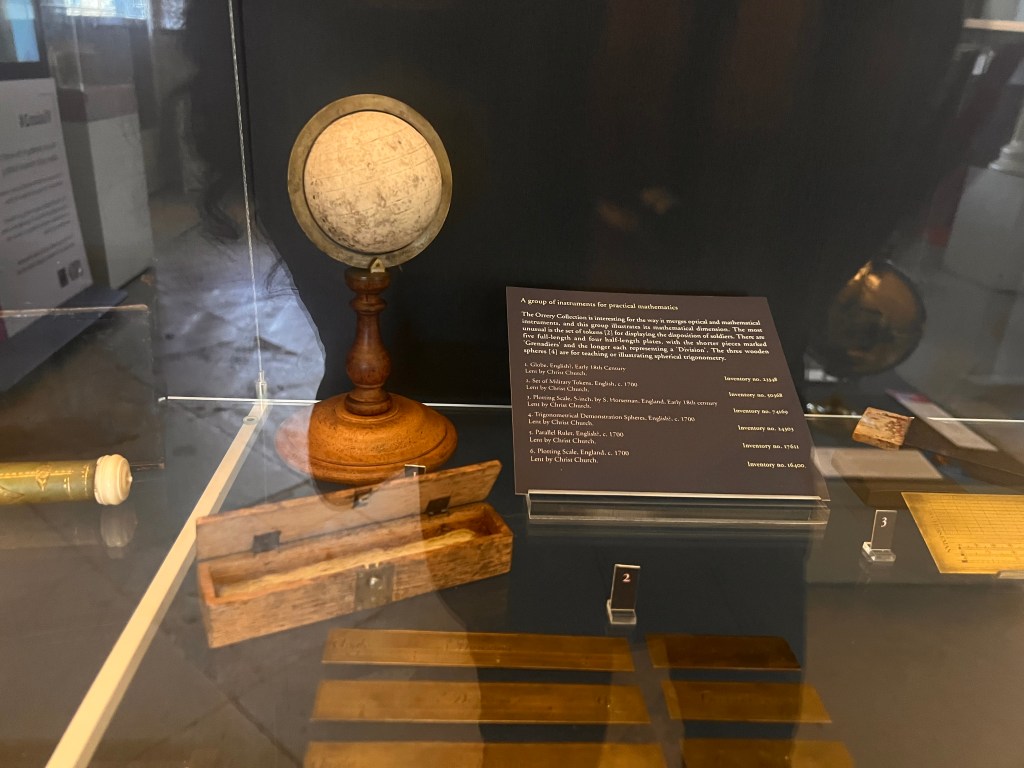
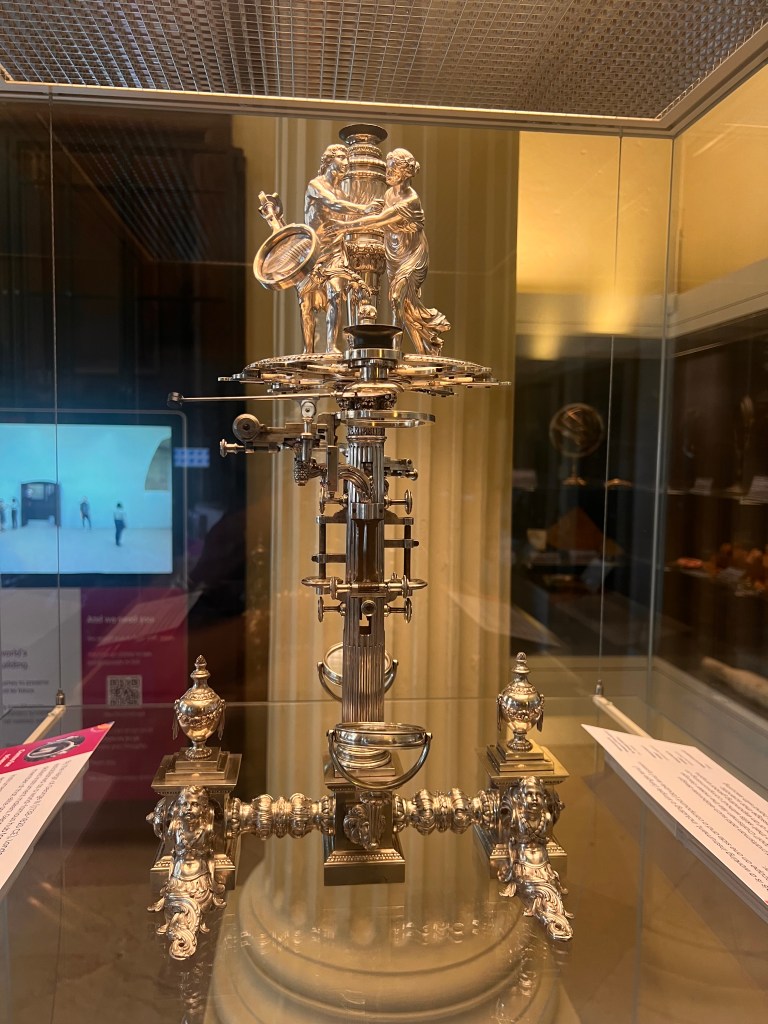
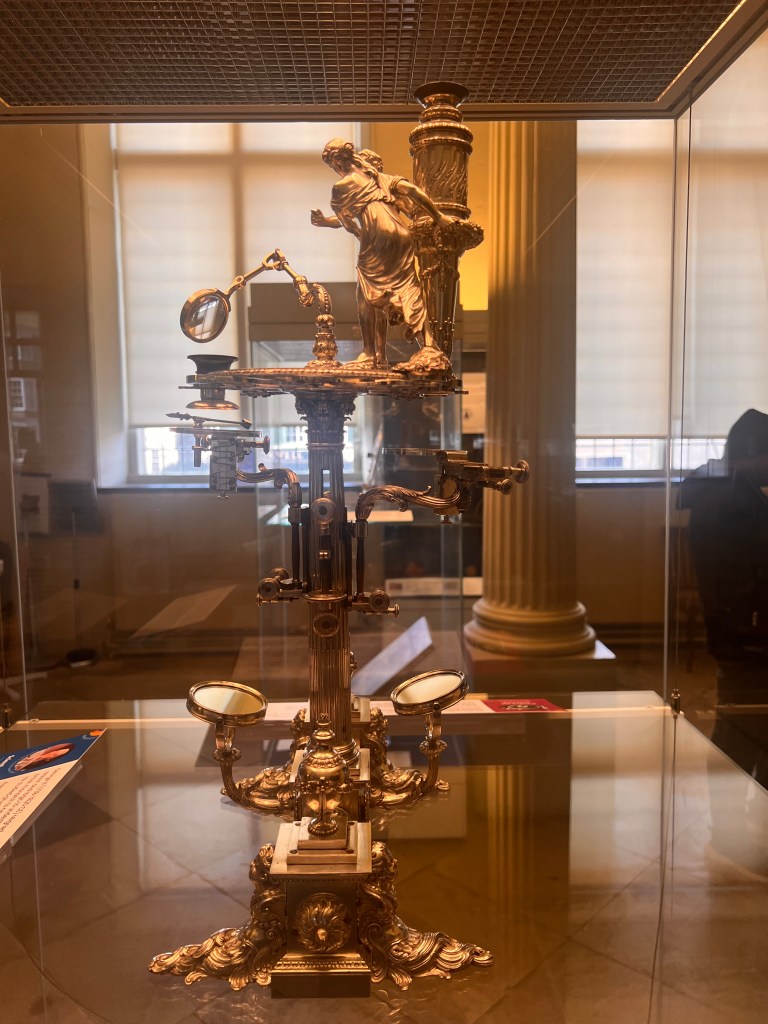
History Of Science Museum- Oxford
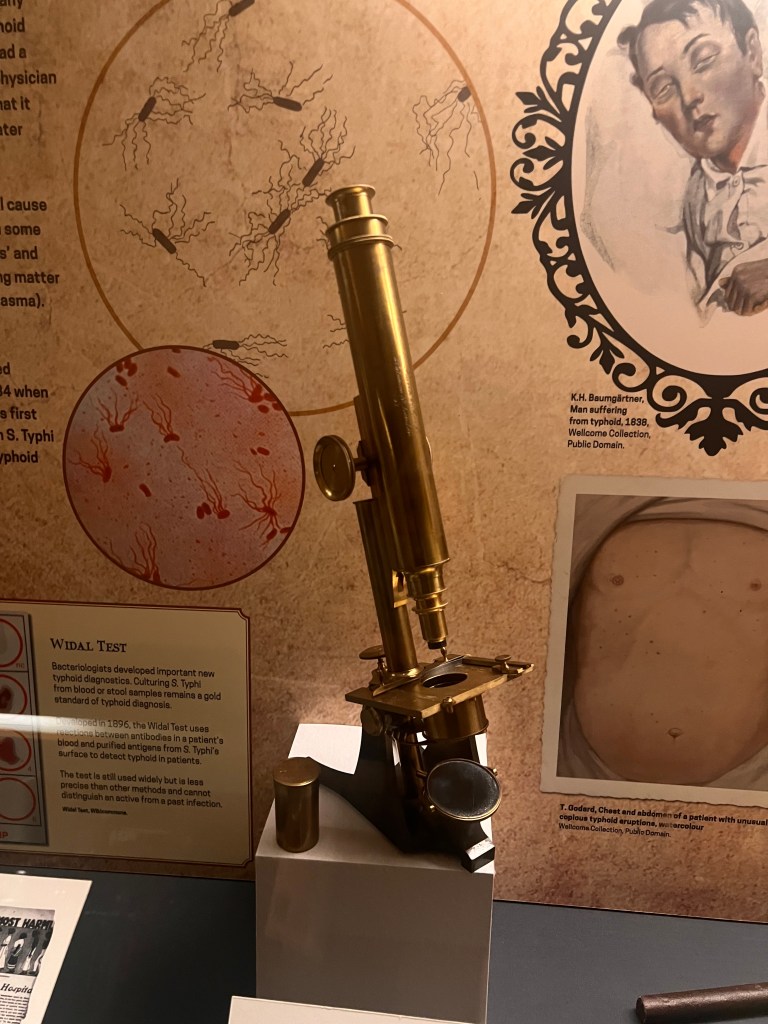
Handwritten board by Einstein
Natural History Museam – Oxford
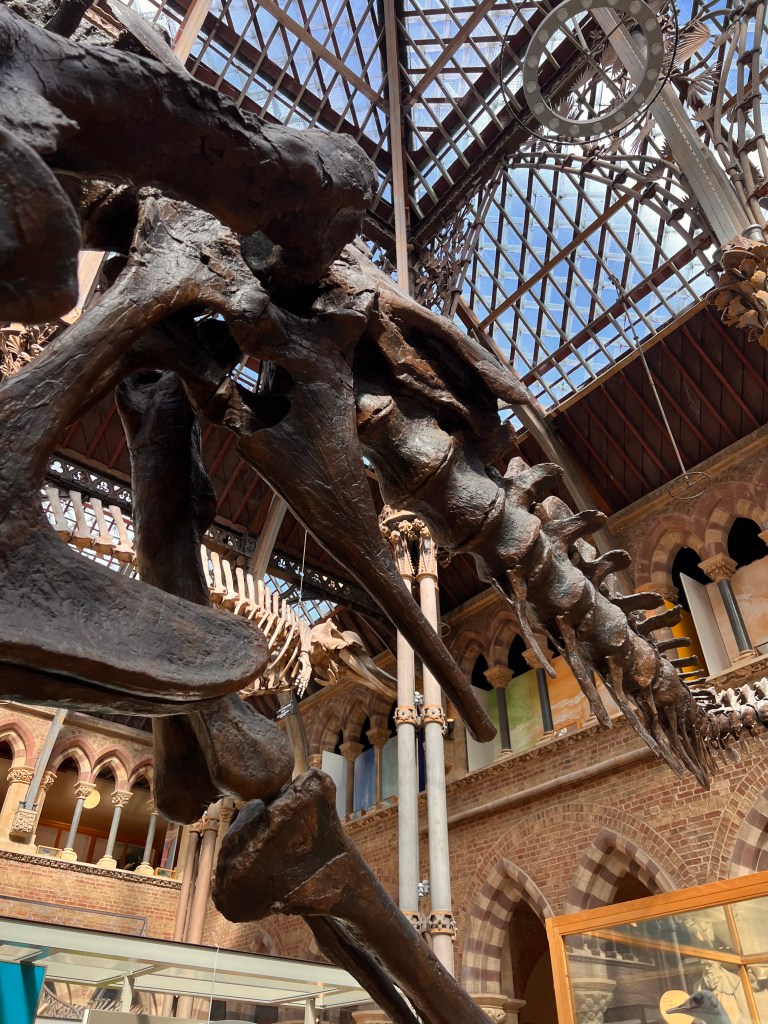
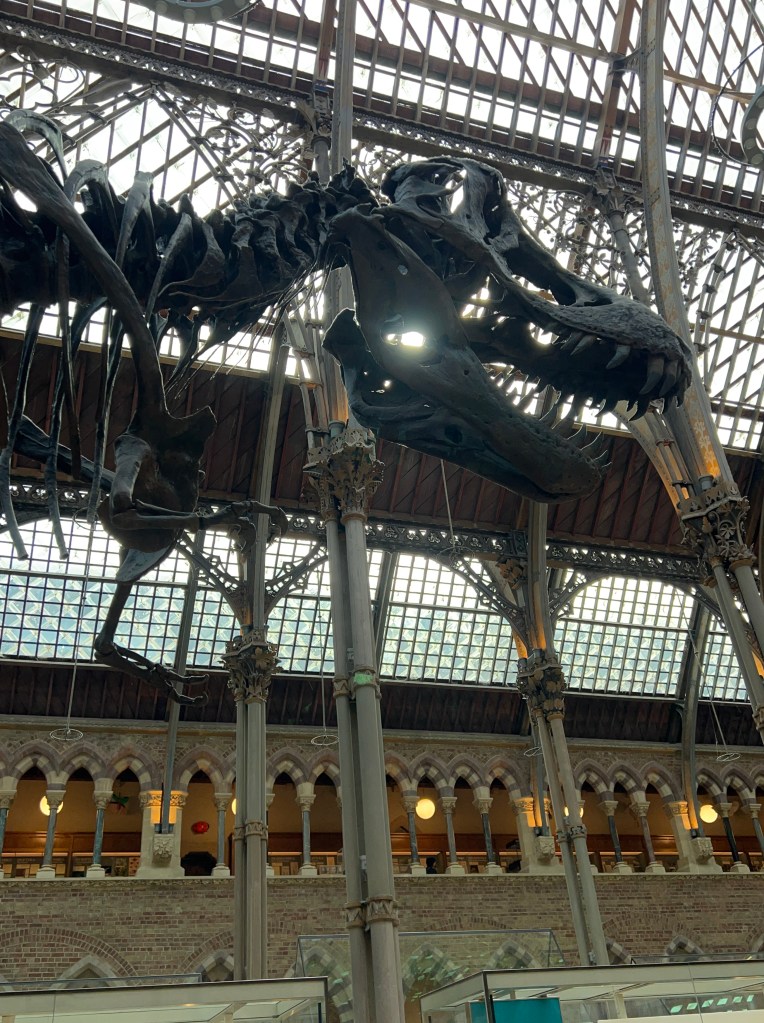
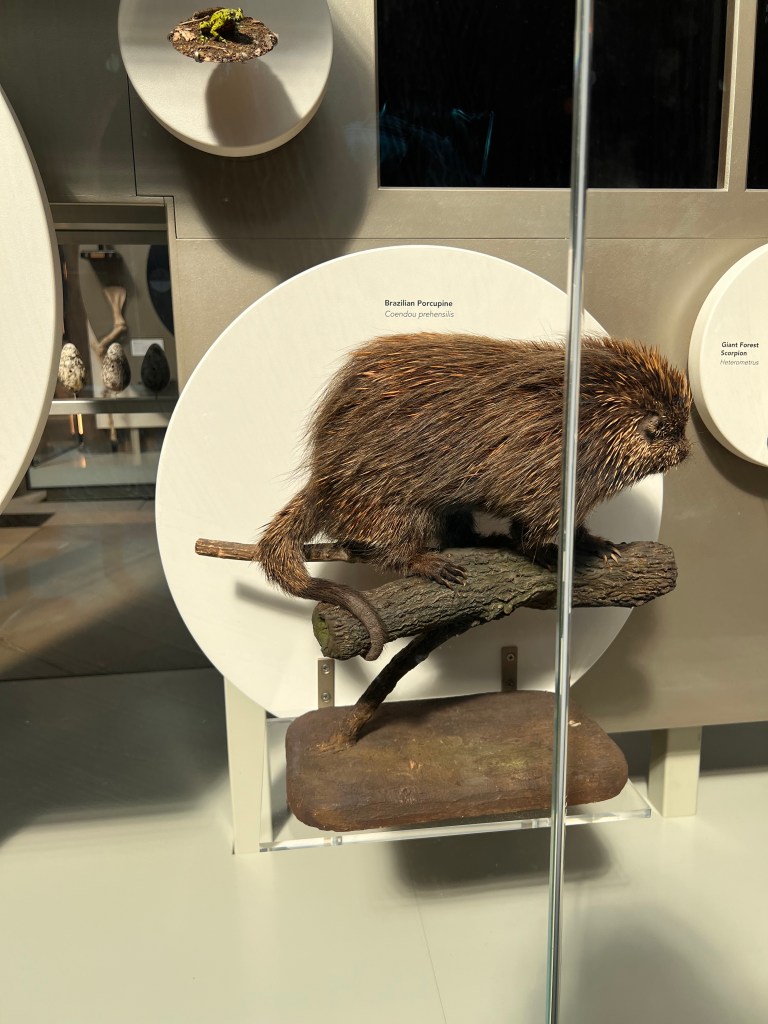
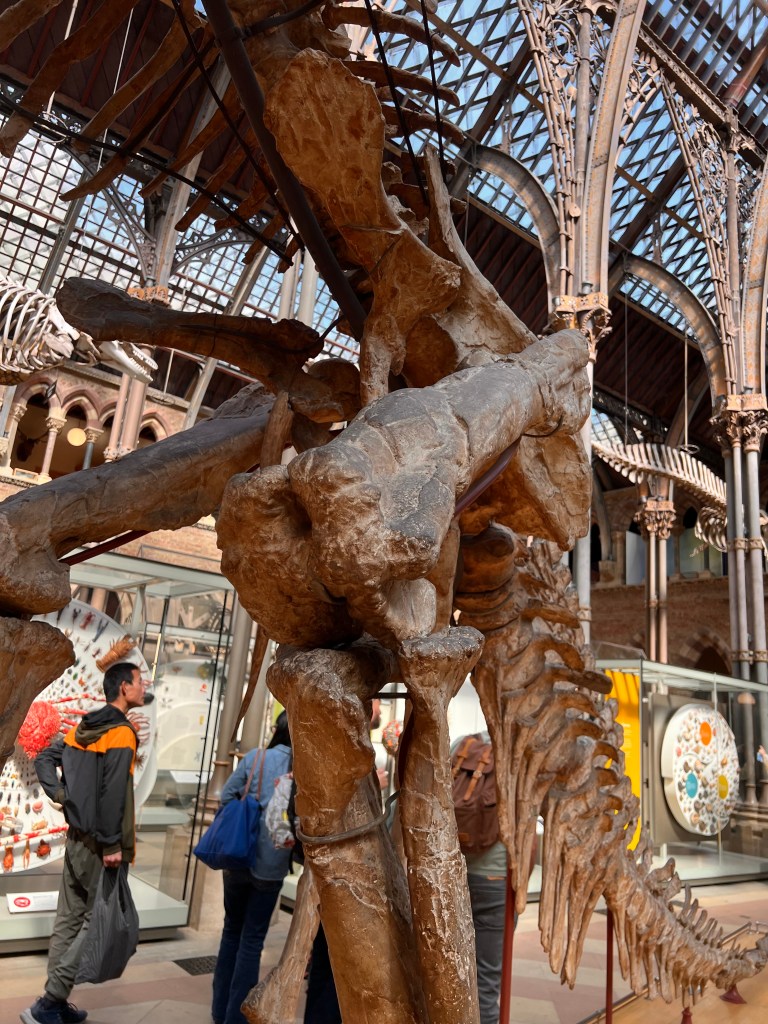
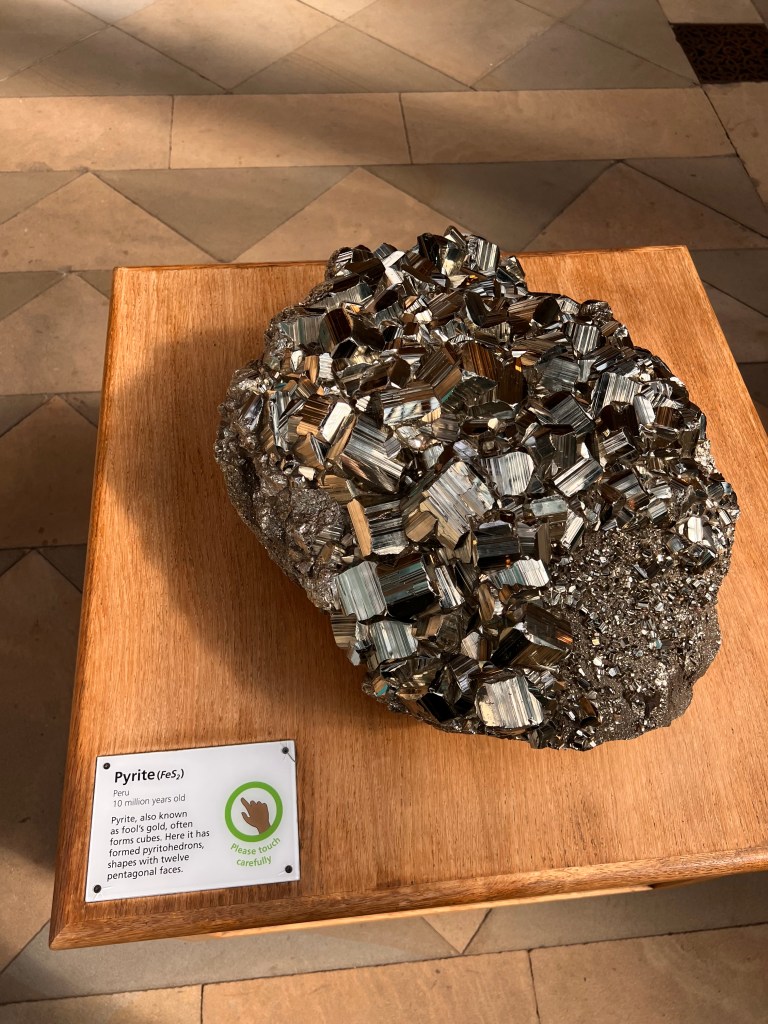
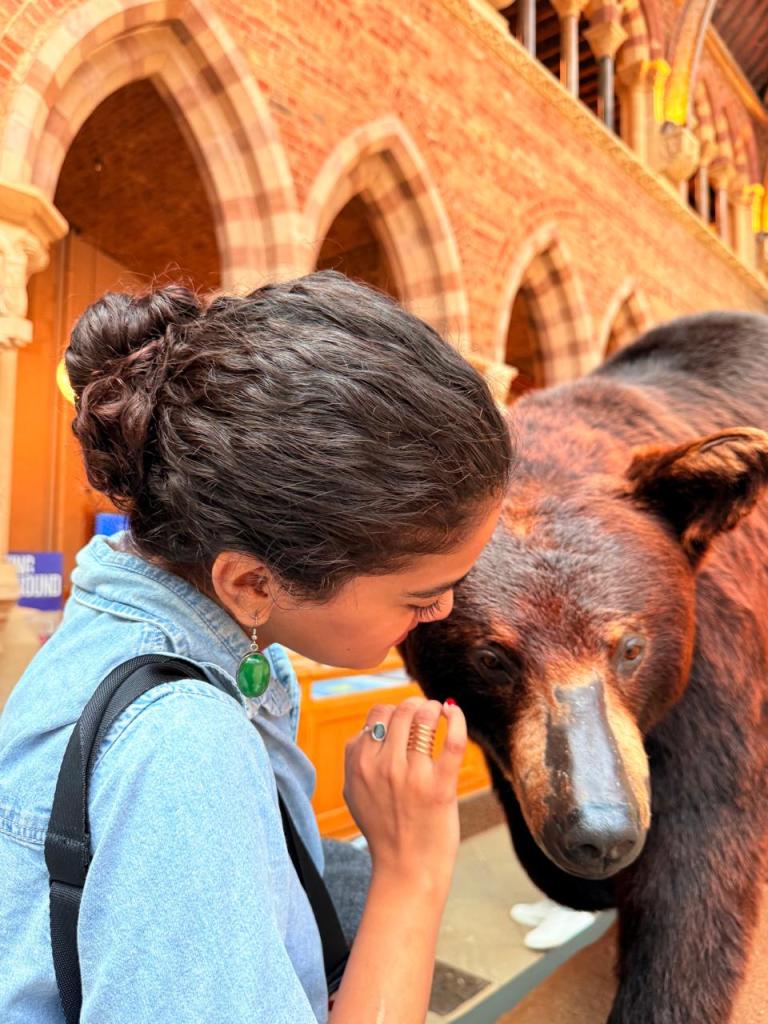
As I entered the Natural History Museum in Oxford, it was spectacular to see the dinosaurs. Most of them were old molds, probably made to preserve the shapes of species from T. rex to ostriches and others. The actual dinosaur fossils were kept safely in glass. While walking through the exhibits, I noticed people touching some of the rocks and fossils, and at first, I thought you weren’t supposed to. But then I saw it was allowed to touch them gently. I went back and touched each one, just to feel them – to imagine holding something so ancient, from millions or even billions of years ago, here in 2025.



















































































































































 Reflections in Practice